
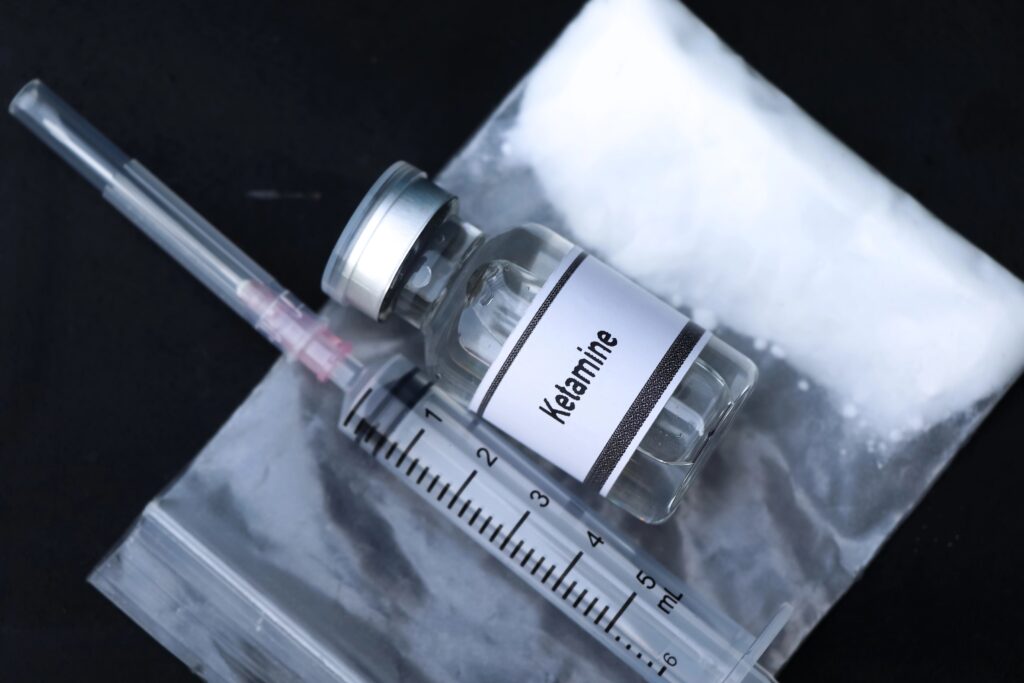
You’ve probably heard whispers about ketamine. Maybe you’ve seen headlines about its potential for treating depression, or perhaps you know it from a completely different context. It’s a substance with a complicated identity, moving between operating rooms, mental health clinics, and the risks of recreational use. But what is ketamine used for? It’s natural to have questions and maybe even some confusion about what it is and what it’s really used for. Let’s walk through this together, clearing up the uncertainty and looking at ketamine with a clear, honest perspective.
What is Ketamine?
Ketamine is a powerful medication classified as a dissociative anesthetic. In simple terms, this means it can make you feel detached from your body and your surroundings, creating a trance-like state. It was first developed in the 1960s and has been used for anesthesia in medical settings for decades. Unlike many other anesthetics, it doesn’t slow down breathing or heart rate, making it valuable in certain surgeries and emergency situations.
It works differently from many other drugs by targeting the brain’s NMDA receptors, which play a key role in consciousness, memory, and mood. This unique action is why it’s being explored for new therapeutic uses. Under the Controlled Substances Actt, ketamine is classified as a Schedule III non-narcotic substance, meaning it has accepted medical uses but also a potential for abuse. Recreationally, it often appears as a white powder that’s snorted or a clear liquid. Common street names include Special K, Kit Kat, and Vitamin K.
Therapeutic Uses of Ketamine
Under the careful supervision of medical professionals, ketamine has several powerful and legitimate therapeutic uses. Its primary, FDA-approved role is as an anesthetic, but its unique effects on the brain have opened doors for other applications, particularly in mental health and pain management. The administration and ketamine dose are carefully controlled in these settings to maximize benefits while minimizing risks. These emerging uses offer hope for conditions that haven’t responded to traditional treatments.
Inducing General Anesthesia
In a hospital, ketamine is a fast-acting anesthetic used to induce a loss of consciousness for short medical procedures. It’s especially valuable in emergency settings because it preserves breathing and airway reflexes better than many other agents. This means it can be used safely for patients in trauma situations or those at risk of low blood pressure, making it a critical tool for doctors performing procedures outside of a traditional operating room.
Treating Pain
For individuals struggling with severe or chronic pain that doesn’t respond to other treatments, a low-dose intravenous ketamine infusions can offer significant pain relief. It’s particularly effective for neuropathic pain conditions, like complex regional pain syndrome (CRPS), where the nervous system sends constant pain signals. By blocking specific pain receptors in the brain, it can interrupt these signals in a way that traditional painkillers, including opioids, often cannot. This makes it an important alternative for managing some of the most difficult types of intractable pain.
Treating Depression
One of the most promising uses for ketamine is in treating depression, especially treatment-resistant depression (TRD), where other therapies have failed. Its effects can be incredibly rapid, with studies showing that a single intravenous dose can produce a significant response in over 60% of people within hours. For some, these effects can last for more than a week. A derivative called esketamine, sold under the brand name Spravato, is an FDA-approved nasal spray for TRD. Because these symptoms often co-occur with substance use, finding effective care requires a specialized approach, like that found in mental health rehab programs that address both conditions at once.
Recreational Use
Outside of medical settings, ketamine is often abused for its hallucinogenic and dissociative properties. As a “club drug,” it’s typically snorted as a powder to produce a detached, dream-like state. People seek feelings of euphoria and out-of-body sensations, but the experience is highly unpredictable. At high doses, recreational use can lead to what’s known as a “K-hole,” an intense and terrifying experience where the user feels completely disconnected from their body and reality, almost like a near-death experience. Using ketamine in an uncontrolled environment is extremely dangerous, as it impairs motor function and judgment, increasing the risk of accidents, injuries, and vulnerability to assault.
Short-Term Effects of Ketamine
When someone uses ketamine, the effects of ketamine come on quickly but typically last for about an hour. The immediate experience can vary widely depending on the person and the dose, ranging from pleasant to deeply unsettling. Here are some of the common short-term effects:
- Mental effects: Many people experience confusion, euphoria, and drowsiness. Difficulty concentrating is also very common. At higher doses, powerful hallucinations and a sense of dissociation, or feeling disconnected from oneself, can occur.
- Physical effects: Physically, ketamine often causes a temporary increase in blood pressure and heart rate. Other common effects include dizziness, blurred vision, nausea, and a loss of coordination, which makes moving around difficult and unsafe.
The Side Effects of Ketamine
While ketamine can be a valuable medical tool, it comes with a range of side effects that can affect both the mind and body. The severity of these effects often depends on the dose and frequency of use. Long-term abuse, in particular, can lead to serious and sometimes irreversible health problems. It’s important to be aware of what you might notice, from common, temporary discomfort to severe long-term damage.
| Effect Category | Common Side Effects (>10% of users) | Severe or Long-Term Side Effects |
|---|---|---|
| Non-Psychiatric | Dizziness, blurred vision, hypertension, nausea, and vomiting. | Chronic use can cause severe urologic disease, with 20-30% of frequent users experiencing bladder complaints. Liver toxicity is also a risk. |
| Cognitive & Psychological | Dissociation, confusion, and vivid dreams or hallucinations. | Long-term abuse is linked to significant brain damage, including memory loss, depression, and attention deficits. |
Risks of Ketamine Overdose
Beyond the immediate side effects, ketamine carries significant risks, especially when misused. A ketamine overdose can cause extreme sedation, dangerously slowed breathing, and loss of consciousness. The danger is magnified when ketamine and alcohol or other central nervous system depressants like benzodiazepines are mixed. This combination can suppress the respiratory system to a critical point, leading to coma or even death. Understanding these risks is crucial, as the line between a desired effect and a life-threatening situation can be dangerously thin.
Is Ketamine Addictive?
Yes, ketamine is psychologically addictive. While it may not cause the intense physical withdrawal symptoms of substances like opioids, its potential for dependence is serious. With repeated use, tolerance builds quickly, so you need higher, more frequent doses to achieve the same dissociative effects. This chase for the initial high is a classic sign of a developing drug addiction. Cravings can become overwhelming, and you might find yourself neglecting work, school, or relationships to use ketamine. Continuing to use it despite these negative consequences is a clear indicator that help is needed.
Ketamine Addiction Treatment Can Help
If you feel like you’ve lost control over ketamine use, that isn’t a sign of weakness; it’s a sign that it’s time to reach out for support. Taking the next step can feel overwhelming, but a simple, confidential conversation is a great place to start. You can learn about your options and find a path that feels right for you. Many people who struggle with substance use also face co-occurring mental health challenges, and effective addiction treatment services address both at the same time.
We’re here to listen without judgment and help you find your way forward. Call us at (877) 592-2102 to speak with a caring professional at Elevate Recovery, or take a moment to contact us online when you’re ready. You don’t have to do this alone.
Sources
- Drug Enforcement Administration. (2021, April 1). Drug Scheduling. DEA.gov.
- National Center for Biotechnology Information. (2024, January 30). Ketamine. StatPearls – NCBI Bookshelf.
- Drug Enforcement Administration. Drug Fact Sheet: Ketamine. DEA.gov.
- National Institute on Drug Abuse. (2024, April 9). Ketamine. NIDA.
- National Institutes of Health. (2023, December 21). Ketamine for Chronic Non-Cancer Pain: A 2023 Update. NCBI Bookshelf.
- U.S. Food and Drug Administration. (2024, May 7). Understanding Current Use of Ketamine for Emerging Areas. FDA.gov.
- Baylor College of Medicine. (2023, May 25). Positive effects of intravenous ketamine for treatment-resistant depression. BCM.edu.
- Harvard University. (2023, May 31). Ketamine found effective in treatment-resistant depression. Harvard.edu.
- Substance Abuse and Mental Health Services Administration. (2023, June 9). National Helpline for Mental Health, Drug, Alcohol Issues. SAMHSA.gov.
- U.S. Department of Justice. (2003, June 20). Ketamine Fast Facts. Justice.gov.