
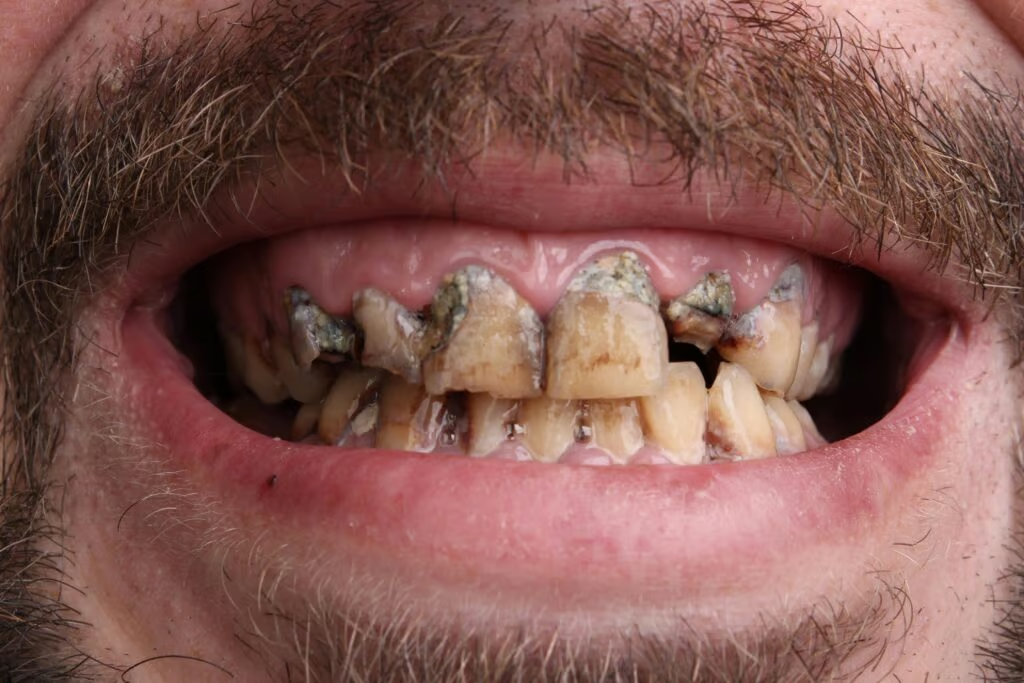
Meth mouth is the rapid, severe tooth decay linked to methamphetamine use, and it can turn a healthy smile into cracked, blackened, and missing teeth within months. The damage comes from a mix of dry mouth, acid, compulsive grinding, and neglected hygiene during active addiction. Though the changes can feel sudden and frightening, they are not the end of the story. Even advanced dental damage can be addressed once the underlying substance use is treated. Real healing means caring for your whole self, not just your teeth, so that recovery lasts.
What Causes Meth Mouth?
The devastating oral deterioration seen in methamphetamine users is a complex process. It’s driven by a combination of physical changes and shifting daily habits. Many people assume the drug simply burns the teeth on contact. However, the reality involves deep physiological and behavioral factors working together. It is not just the acidity of the drug itself that causes such severe damage.
To understand this condition, we have to look at how the body reacts to the substance. The drug alters how your nervous system controls basic functions. At the same time, the intense high changes how a person behaves and cares for themselves. When you combine these two forces, the mouth becomes the perfect environment for rapid tooth decay.
If you are looking for help, finding a meth addiction treatment program Massachusetts trusts can make all the difference. Understanding the root causes of dental decline requires an empathetic, clinical approach. We can break these causes down into two main categories. These include the physical changes inside the mouth and the behavioral changes that follow.
Physiological Effects: Dry Mouth and Bacteria
The most significant physical change is a condition called xerostomia. This is the clinical term for severe dry mouth. Methamphetamine strongly activates the sympathetic nervous system. This reaction quickly suppresses the salivary glands and constricts the blood vessels that supply them. The drug drastically reduces saliva production almost immediately.
Saliva is your mouth’s natural defense system. It washes away food particles and neutralizes harsh acids. Without a healthy flow of saliva, your teeth lose this vital protection. This dry environment allows harmful bacteria to multiply out of control.
One specific type of bacteria, known as Streptococcus mutans, thrives in these dry conditions. This bacterium feeds on sugars and produces strong lactic acid. Because there is no saliva to buffer the acid, the enamel on your teeth begins to dissolve. Recent experimental evidence on how methamphetamine reduces saliva production shows just how quickly this process takes over. The lack of saliva allows acids and bacteria to destroy the mouth unchecked.
Behavioral Factors: Bruxism and Sugar Cravings
Beyond the physical lack of saliva, behavioral factors speed up the destruction. The drug creates a surge of energy and anxiety. This often leads to compulsive teeth grinding and clenching, known clinically as bruxism. This constant, heavy pressure causes the teeth to crack, chip, and wear down prematurely.
The weakened enamel easily breaks under the force of this grinding. At the same time, people under the influence experience intense sugar cravings. Users frequently crave sugary, carbonated beverages to deal with their severe dry mouth. Sipping sweet drinks constantly feeds the bacteria that cause cavities.
Finally, severe neglect of oral hygiene during active addiction plays a massive role. When someone is battling a substance use disorder, basic routines like brushing and flossing are almost completely abandoned. Plaque builds up rapidly into thick, sticky layers. The combination of dry mouth, sugar cravings, bruxism, and poor hygiene creates a perfect storm. This is how minor damage accelerates into catastrophic dental failure.
Meth Mouth Stages and Progression
Methamphetamine causes tooth decay to happen at an alarming speed. In a healthy person, a simple cavity can take years to form and spread. For someone actively using this substance, progression from minor cavities to widespread tooth loss can happen in a fraction of that time. The combination of drug effects and lifestyle changes accelerates the damage.
| Stage of Progression | Visible Signs | Clinical Impact |
|---|---|---|
| Early Stage | Yellow or brown staining, swollen gums, small cavities along the gumline. | Severe dry mouth (xerostomia), early gingivitis, enamel demineralization, and bad breath. |
| Middle Stage | Deepening cavities, receding gums, chipped or cracked teeth from grinding. | Decay reaches the dentin, moderate periodontal disease, increased sensitivity, and localized infections. |
| Late Stage | Blackened or hollowed-out teeth, broken stubs, severe swelling, and missing teeth. | Complete erosion of enamel, advanced gum disease, painful abscesses, and widespread tooth loss. |
In the early stages, the warning signs are subtle but persistent. A person will usually notice intense dry mouth, bad breath, and swollen or bleeding gums. This early gum disease, or gingivitis, makes brushing uncomfortable. You might also see minor cavities forming between the front teeth or right along the gumline.
As the addiction continues, the condition moves into the middle stages. The enamel begins to wear away entirely. The small cavities merge into larger, deeper holes that reach the sensitive inner layers of the teeth. Gums recede further, exposing the roots of the teeth to bacteria. At this point, the teeth become very brittle and prone to chipping or cracking.
During the late stages, the destruction becomes severe and highly visible. Teeth are often left hollowed out, blackened, or crumbling down to the root. Advanced tooth decay leads to severe infections and painful abscesses deep in the gums. Eventually, the supporting bone weakens, resulting in widespread tooth loss. Seeking drug addiction treatment is the only way to halt this rapid, devastating cycle.
When to Seek Help for Meth Teeth
You do not have to wait until your teeth are beyond saving to act. The earliest warning signs, including persistent dry mouth, bleeding gums, new sensitivity to hot or cold, and small cavities along the gumline, are the moments when help makes the biggest difference. Catching methamphetamine dental damage early can mean the difference between a few fillings and a mouth full of extractions.
Dental symptoms also tend to signal that meth use has reached a point where the body is paying a visible price. Bringing both concerns to a treatment team at once lets you protect the teeth you still have while you build a plan to stop using. Addressing the meth mouth stages promptly, alongside the addiction itself, gives you the best chance at keeping your natural teeth and your long-term health.
Treatment Options for Methamphetamine Dental Damage
Repairing severe methamphetamine dental damage is highly challenging. The decay is often extensive and progresses incredibly fast. Because every person’s situation is unique, full dental restoration varies widely. It depends entirely on when the drug use stops and when professional care begins.
Fixing meth teeth requires a careful, multi-step approach. You cannot simply place a new crown on a tooth if the underlying addiction is still active. Dentists and doctors agree that treating the substance use disorder must happen first. Once a person is stable, the focus can safely shift to rebuilding their smile.
You might feel overwhelmed by the amount of work your mouth needs. However, skilled professionals can help you regain your oral health over time. From clearing painful infections to fitting permanent prosthetics, there is a clear path forward.
The First Step: Halting Methamphetamine Use
The absolute most critical first step is halting all methamphetamine use. Addiction treatment must precede major cosmetic dental work. Active substance use compromises your immune system and makes healing very difficult. Stopping methamphetamine use, with medical support to manage withdrawal safely, sets the foundation for lasting recovery.
Dentists usually require a period of stable sobriety before attempting major restorative procedures. This is because active drug use makes anesthesia and pain medications highly dangerous. Furthermore, continuing to use renders expensive and painful dental work completely futile. Relapse can quickly destroy new dental restorations through repeated grinding and dry mouth.
Current clinical guidance for managing dental care in patients with substance use disorders strongly advises waiting. Only emergency care, like pulling a painful tooth, should happen during active addiction. Once you are firmly in recovery, you and your dentist can plan a permanent solution.
Restoring Meth Teeth: Dental Interventions
Once the mouth is free of active infection and the patient is sober, restorative work begins. The first priority is usually extracting teeth that cannot be saved. Due to rampant decay, many affected teeth are unsalvageable. Surgical extractions remove the source of pain and prevent infections from spreading to the jawbone.
After removing dead teeth and treating active abscesses, the dentist will evaluate the healthy remaining teeth. They might use fillings for smaller cavities or root canals to save damaged roots. Crowns are frequently placed over weakened teeth to protect them from further cracking.
Finally, the dentist will utilize prosthetics to replace the missing teeth. Depending on your bone health and budget, options include partials, full dentures, or dental implants. Dental implants offer a permanent, natural-looking replacement that restores both function and appearance. Reclaiming your oral health takes time, but it is a powerful milestone in your recovery journey.
Seeking Care: Why Addiction Treatment Comes First
When facing severe dental pain, it is completely natural to want an immediate fix. Many people try to decide between going to the dentist and going to rehab. However, it is crucial to understand that dental procedures do not cure the underlying addiction. Fixing a broken tooth will not stop the behavioral cycles that caused it in the first place.
Choosing to address the substance use disorder first is the safest and most effective path. Active addiction makes complex dental surgery dangerous and prone to failure. By seeking structured addiction treatment, you protect your future health and your investment in your smile. Once you have a strong foundation in sobriety, dental work becomes much more successful.
If you are looking for a supportive environment, Elevate Recovery in Massachusetts is a premier option. We offer clinically grounded, structured outpatient care designed for real life. Our programs help clients build stability without requiring them to leave their homes for months at a time. We understand the complex physical and emotional needs of early recovery.
A partial hospitalization program Massachusetts offers the intense daily support you need in the earliest days of recovery. This level of care provides a structured environment where you can safely navigate the first weeks of sobriety. It gives you the clinical oversight necessary to manage cravings and health concerns effectively.
As you gain strength, you can step down into an intensive outpatient program Massachusetts for continued guidance. Elevate Recovery’s programs support clients in maintaining the structure needed for early recovery. At the same time, they allow you to manage life, work, and coordinate necessary medical and dental care.
Rebuild Your Health and Smile With Elevate Recovery
Rapid dental decline is frightening, but it is also a clear signal that your body needs medical and therapeutic support now. Lasting repair to your teeth becomes possible once you build a secure foundation in sobriety through structured outpatient care. Our clinicians can help you weigh your treatment options, coordinate the dental work ahead, and set a practical schedule for ongoing care. You can also verify your insurance to see how quickly you can begin.
Dealing with the physical damage of addiction can feel overwhelming, but taking the first step toward healing is within your reach. Treating the underlying substance use disorder gives you the foundation you need to repair your dental health and reclaim your confidence. You deserve a care plan that addresses your whole well-being with empathy and clinical expertise. If you are ready to build a healthier, more stable life, reach out to Elevate Recovery today, or call (877) 592-2102 to schedule a confidential assessment. Contact us now if you’re ready for change.
Sources
- McHugh, R. K., Hearon, B. A., & Otto, M. W. (2010). Cognitive behavioral therapy for substance use disorders. The Psychiatric Clinics of North America, 33(3), 511–525.
- National Institute on Drug Abuse. (2017). Mechanisms underlying methamphetamine-related dental disease. National Institute on Drug Abuse.
- National Institutes of Health. (2021). Understanding the Basis of METH Mouth Using a Rodent Model of Methamphetamine Administration. National Institutes of Health.
- National Institutes of Health. (2019). Drug-induced bruxism. National Institutes of Health.
- National Institutes of Health. (2014). Substance Abuse Intensive Outpatient Programs: Assessing the Evidence. National Institutes of Health.
- National Institutes of Health. (2020). Cocaine and methamphetamine: Pharmacology and dental considerations. National Institutes of Health.
- National Institutes of Health. (2020). Dental management of patients with substance use disorder. National Institutes of Health.
- National Institutes of Health. (2014). The Continuing Care Model of Substance Use Treatment. National Institutes of Health.
- Massachusetts Department of Public Health. (n.d.). Section 35: The Process and criteria. Mass.gov.
- Substance Abuse and Mental Health Services Administration. (2023). National Helpline for Mental Health, Drug, Alcohol Issues. Substance Abuse and Mental Health Services Administration.