
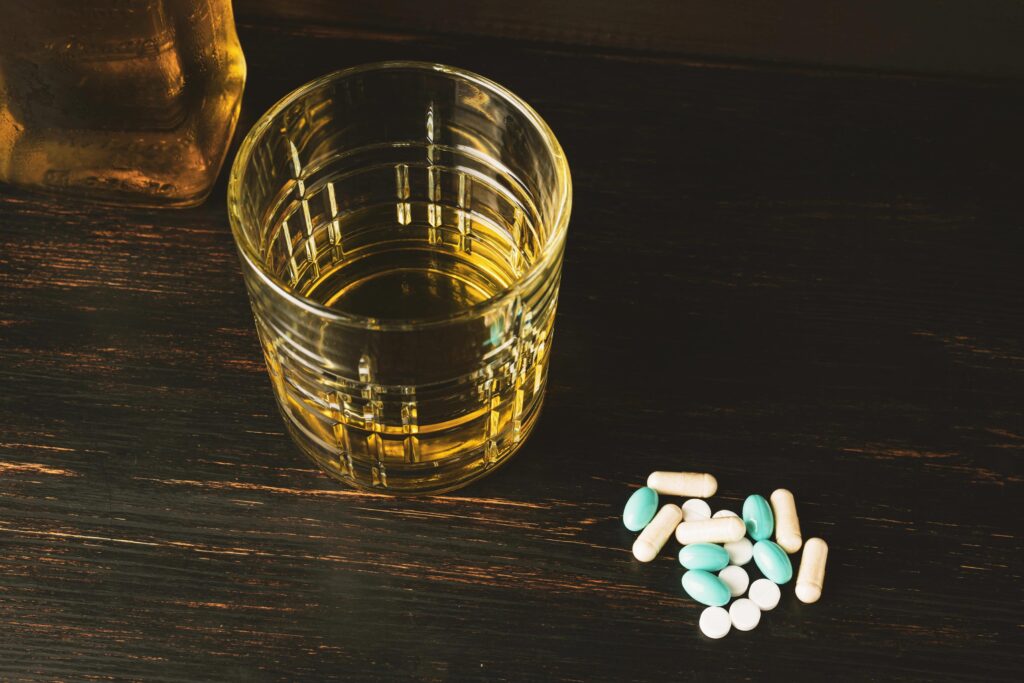
Combining acetaminophen and alcohol forces your liver to process two demanding substances at once, and the result can be serious liver damage. Acetaminophen sits in most medicine cabinets and hides in hundreds of cold, flu, and pain products, so many people reach for it after a night of drinking without a second thought. That habit is riskier than it looks, because the two substances interact in ways that can quietly injure liver cells, especially with repeated doses or heavy drinking.
Why Is It Dangerous to Mix Alcohol and Acetaminophen?
The danger of combining acetaminophen and alcohol starts with how widely used this pain reliever is. Acetaminophen is a staple in household medicine cabinets, and according to the American Liver Foundation, the active ingredient appears in more than 600 over-the-counter and prescription medications. Because it is so accessible, many people assume it is completely harmless. In reality, mixing acetaminophen and alcohol is strongly discouraged by medical professionals.
The primary danger of combining these two substances is the severe risk of liver damage and acute liver failure. Your liver acts as the body’s filtration system. When it is forced to process both alcohol and medication at the same time, the system becomes overwhelmed. A 2019 Lancet study highlighted just how serious this can be, noting that acetaminophen toxicity accounts for nearly half of all acute liver failure cases in the United States.
For someone seeking alcoholism treatment, understanding these risks is a vital step toward protecting their physical health. While an occasional standard dose might not lead to immediate failure in a healthy adult, there are no guarantees of absolute safety. The margin for error shrinks significantly if you drink frequently or take multiple doses. By recognizing how these common substances interact, you can practice better harm reduction and make informed choices about your medication and your body.
Alcohol Use Disorder and Acetaminophen Overdose
For individuals living with an alcohol use disorder, the risks of an acetaminophen overdose are significantly higher. Chronic heavy drinking, defined as having three or more alcoholic drinks daily, physically changes how your liver enzymes behave. The CYP2E1 enzyme stays chronically elevated, meaning heavy drinkers naturally produce higher levels of toxic NAPQI whenever they take acetaminophen.
Because their glutathione levels are also chronically depleted, heavy drinkers face an extreme risk for accidental overdose and severe hepatic injury, even at normal therapeutic doses. If you or a loved one are drinking heavily and relying on pain relievers, reaching out for professional outpatient rehab Massachusetts is a crucial step toward protecting your liver and addressing alcohol use safely.
How Mixing Acetaminophen and Alcohol Affects Your Liver
To understand how liver damage happens, it helps to look at how your body processes medication. Under normal conditions, your liver safely processes about 90 percent of an acetaminophen dose through a natural chemical process called glucuronidation. This process neutralizes the drug and allows it to pass safely out of your body.
However, a small percentage of the medication takes a different path. It’s processed by a specific liver enzyme known as CYP2E1. This enzyme converts the drug into a highly toxic byproduct called NAPQI. Usually, your liver handles this without a problem. It uses a protective antioxidant called glutathione to quickly neutralize the NAPQI before it can cause any hepatotoxicity or liver injury.
When you introduce alcohol into this delicate system, the process breaks down. First, alcohol causes the CYP2E1 enzyme to work in overdrive, producing much larger amounts of the toxic NAPQI. Second, processing the alcohol exhausts your liver’s supply of glutathione. Without enough glutathione to neutralize the toxins, the dangerous NAPQI builds up rapidly. Instead of passing safely out of your system, these toxins begin to destroy healthy liver cells. This mechanism is why people seeking help at dual diagnosis treatment centers in Massachusetts often require careful medical monitoring to assess and repair liver function.
Symptoms of Liver Damage and Other Health Risks
When liver functions begin to fail, the body sends several warning signs. Recognizing the symptoms of liver damage early can prevent severe complications. If you have been mixing alcohol and pain relievers, you should watch for the following symptoms:
- Jaundice: a noticeable yellowing of the skin and the whites of the eyes.
- Upper right abdomen pain: discomfort or tenderness just under the rib cage where the liver is located.
- Extreme fatigue: a sudden, overwhelming sense of tiredness and weakness.
- Nausea and vomiting: persistent stomach upset that does not resolve naturally.
- Dark urine: changes in bathroom habits, including pale stools or unusually dark urine.
Beyond the liver, combining these substances can significantly increase the risk of gastrointestinal bleeding. Alcohol irritates the stomach lining, and mixing it with pain relievers can lead to severe bleeding ulcers. Additionally, there is a serious risk of renal dysfunction. Survey data has shown self-reported kidney dysfunction rates near 31.78% among individuals combining therapeutic doses of medication with regular alcohol use. Both your liver and your kidneys are forced to work overtime, placing a heavy strain on your entire body.
Recommended Waiting Times for Tylenol and Alcohol
Timing is a critical factor when trying to prevent liver stress. A common question patients ask is exactly how long they should wait between consuming Tylenol and alcohol. Because both substances require your liver for processing, overlapping them can quickly overwhelm your system.
If you took an acetaminophen product first, medical guidelines suggest you should wait at least 4 to 6 hours before having a drink. This window allows the initial dose to process safely. However, for maximum safety, many experts advise waiting up to 24 hours. A full day ensures that your liver is not managing active medication and rising blood alcohol concentrations at the exact same time.
If you have already consumed alcohol, the rules are much stricter. You should not take acetaminophen to treat a hangover. You must wait until the alcohol has fully cleared your system before taking any medication. Taking a dose while alcohol is still present in your bloodstream is when the highest risk of toxic buildup occurs.
Always take a moment to review the warning label on your medication packaging. These labels provide clear safety boundaries for daily limits. The maximum safe dose for a healthy adult is typically 4,000 milligrams in a 24-hour period, but this limit drops significantly if you consume alcohol regularly. If you ever feel unsure about your personal wait times or safe dosage, checking with a pharmacist or doctor is always the smartest choice.
Alternatives to Acetaminophen
If you need pain relief for a hangover or a minor ache after drinking, there are alternative over-the-counter pain relievers you can consider. Many people turn to NSAIDs, such as ibuprofen or naproxen, to manage discomfort. NSAIDs process differently in the body and do not create the same immediate toxic liver byproducts that acetaminophen does.
However, these alternatives carry their own significant health warnings. NSAIDs are notoriously harsh on the stomach lining. When NSAIDs are mixed with alcohol, the risk of severe stomach upset, gastrointestinal bleeding, and painful ulcers skyrockets. If you choose to take ibuprofen or naproxen, it is absolutely essential that you take them with food and plenty of water to protect your stomach.
Comparing Common Pain Relievers
When you are dealing with a severe headache after a long night out, you might be looking for a safer alternative. Many people turn to NSAIDs for hangover pain relief. These common over-the-counter pain relievers include ibuprofen, commonly sold as Advil, and naproxen, often sold as Aleve. The comparison below shows how each option interacts with alcohol.
| Medication Type | Primary Processing Organ | Primary Risk with Alcohol |
|---|---|---|
| Acetaminophen (Tylenol) | Liver | Severe liver damage, toxic NAPQI buildup, acute liver failure |
| Ibuprofen (Advil) | Kidneys / Stomach | Gastrointestinal bleeding, stomach upset, ulcers, kidney strain |
| Naproxen (Aleve) | Kidneys / Stomach | Severe stomach irritation, ulcers, prolonged kidney stress |
While NSAIDs offer a different path for pain relief, no medication is entirely risk-free when combined with alcohol. Every pain reliever taxes a specific system in your body. Protecting your digestive tract and your kidneys requires just as much caution as protecting your liver. Always weigh the need for pain relief against the potential side effects, and keep doses as low as possible.
While these NSAIDs do not place the exact same extreme burden on your liver, they are certainly not completely without risk. The primary clinical concern with NSAIDs is how they interact directly with your stomach. Alcohol is a known irritant that significantly increases the natural acid present in your digestive tract. NSAIDs also irritate the stomach lining by reducing the protective enzymes your body needs to stay healthy.
When you mix ibuprofen or naproxen with alcohol, you significantly elevate your overall risk of developing painful, bleeding ulcers. This combination can also rapidly lead to dangerous gastrointestinal bleeding that requires hospitalization. To safely lower this risk, you should always take NSAIDs with a full meal or a heavy, substantial snack. Eating food creates a physical, protective buffer in your stomach that helps shield the sensitive lining.
It’s also critically important to remember that NSAIDs are heavily processed by your kidneys. If you are deeply dehydrated from drinking alcohol the night before, your kidneys are already working overtime to recover. Taking high doses of ibuprofen while severely dehydrated can severely strain these vital organs. If you truly need pain relief, drink plenty of water, eat a solid meal, and strictly use the lowest possible dose of the medication.
Is It Safe to Drink on Acetaminophen in Light Amounts?
The National Institutes of Health suggests that over-the-counter pain relievers are usually safe for healthy adults when used strictly as recommended. If you have one drink and take a single, therapeutic dose of medication, you are unlikely to experience immediate liver failure. However, safety is not guaranteed. Recent data have shown that even combining therapeutic doses with light to moderate drinking still showed statistically significant increases in the odds of renal dysfunction. In fact, some studies noted that a notable portion of subjects engaging in this light-to-moderate combination exhibited markers of kidney strain.
The reality is that there is no universally safe amount for everyone. Individual factors heavily influence how your body reacts to these substances. Your genetics, body weight, hydration levels, and prior liver health all play a massive role in your personal risk profile. Someone with an undiagnosed fatty liver or a genetic predisposition to slower enzyme processing might experience severe side effects from a combination that feels harmless to someone else. Because you cannot easily measure your liver’s exact enzyme activity or glutathione levels at any given moment, the safest choice is always to separate the two substances entirely.
Managing Substance Interactions and Next Steps in Recovery
Understanding medication safety is a crucial aspect of your overall health and sustained recovery. When you learn how substances interact inside your body, you empower yourself to make choices that protect your organs and your future. Managing pain and health symptoms effectively is possible, but it requires careful attention to the specific health effects of what you consume.
If you find that an alcohol use disorder is making it difficult to safely manage your medications, you do not have to figure it out alone. Relying on an experienced support team can make all the difference in achieving stability. Elevate Recovery offers comprehensive outpatient services designed to help you build a healthier life without putting your body at further risk.
For those stepping down from a higher level of care or needing more structure than weekly therapy, an intensive outpatient program Massachusetts provides an ideal balance. These programs, alongside our Partial Hospitalization Program, offer robust clinical support while allowing you to remain engaged with your daily life. Continuing your care in an outpatient rehab Massachusetts setting ensures you receive evidence-based therapies, community connection, and specialized guidance on safely managing physical and mental health challenges simultaneously.
Get Compassionate Support at Elevate Recovery
Protecting your liver and overall health means staying informed about how common medications and alcohol interact. By understanding these risks and practicing safe waiting times, you can avoid dangerous complications and support your body’s natural healing processes. If alcohol use is negatively impacting your health, your daily routines, or your ability to safely manage medications, compassionate help is available. Contact our team at Elevate Recovery today by calling (877) 592-2102 to discuss a personalized treatment plan. Reaching out allows you to safely address substance use with medical guidance, giving you the structured support needed to protect your physical health and secure lasting stability.
Sources
- National Institute on Alcohol Abuse and Alcoholism. (September 2021). Alcohol Metabolism. National Institute on Alcohol Abuse and Alcoholism.
- Maher, J. J. (1997). Exploring Alcohol’s Effects on Liver Function. Alcohol Health & Research World.
- Manyike, P. T., Kharasch, E. D., & et al. (March 2000). Contribution of CYP2E1 and CYP3A to acetaminophen bioactivation. Clinical Pharmacology & Therapeutics.
- Mazaleuskaya, L. L., & et al. (2015). Pathways of acetaminophen metabolism at the therapeutic dosage. Drug Metabolism and Disposition.
- Agrawal, S., & et al. (2025). Acetaminophen Toxicity. StatPearls Publishing.
- Lee, W. M. (July 2004). Acetaminophen and the U.S. Acute Liver Failure Study Group. Hepatology.
- Ndetan, H., & et al. (October 2018). Light to moderate drinking and therapeutic doses of acetaminophen. Preventive Medicine Reports.
- Kanchanasurakit, S., & et al. (March 2020). Acetaminophen use and risk of renal impairment. British Journal of Clinical Pharmacology.
- Substance Abuse and Mental Health Services Administration. (November 2016). Early Intervention, Treatment, and Management of Substance Use Disorders. U.S. Department of Health and Human Services.
- Centers for Disease Control and Prevention. (November 2024). Medication Safety and Your Health. Centers for Disease Control and Prevention.
- Centers for Disease Control and Prevention. (May 2024). Genetics Basics. Centers for Disease Control and Prevention.
- MedlinePlus. (March 2021). Do all gene variants affect health and development?. National Library of Medicine.