
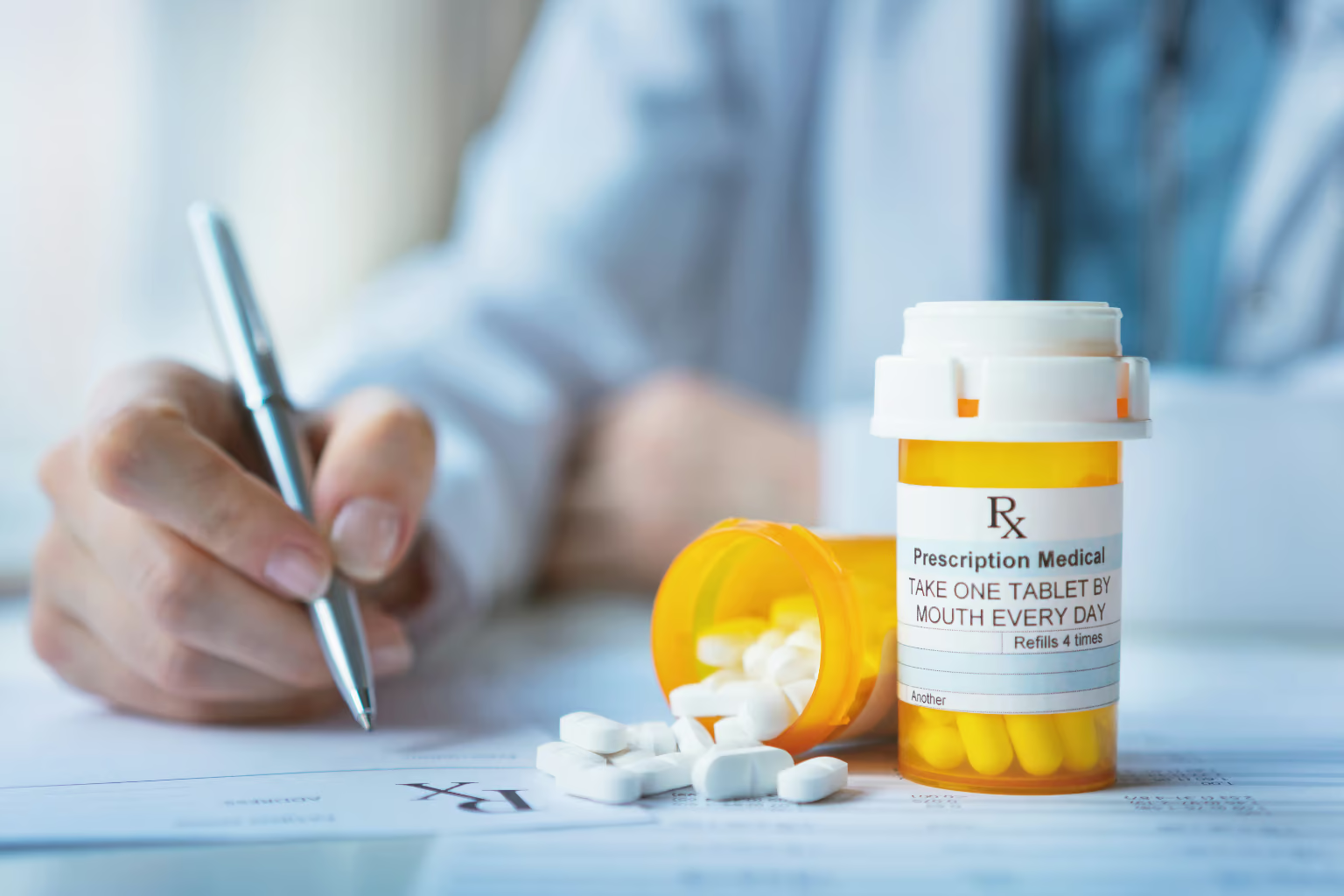











What Is Medication-Assisted Treatment (MAT)?
Medication-assisted treatment (MAT) combines FDA-approved medications with counseling and behavioral therapies for people with certain substance use disorders. As part of a broader alcohol and drug addiction treatment plan, MAT can help address physical dependence while giving clients more stability to participate in therapy and other recovery supports.
MAT is most commonly associated with opioid use disorder, although medications can also be used in the treatment of alcohol use disorder. The specific medication, duration of treatment, and level of clinical support depend on the individual’s substance use history, medical conditions, recovery goals, and response to treatment.
The Substance Abuse and Mental Health Services Administration describes medication and counseling as complementary parts of substance use disorder treatment. Medication is not meant to replace behavioral health care. Instead, both can work together as part of a more complete treatment plan.Medication-assisted treatment (MAT) combines FDA-approved medications with counseling and behavioral therapies for people with certain substance use disorders. As part of a broader alcohol and drug addiction treatment plan, MAT can help address physical dependence while giving clients more stability to participate in therapy and other recovery supports.
MAT is most commonly associated with opioid use disorder, although medications can also be used in the treatment of alcohol use disorder. The specific medication, duration of treatment, and level of clinical support depend on the individual’s substance use history, medical conditions, recovery goals, and response to treatment.
The Substance Abuse and Mental Health Services Administration describes medication and counseling as complementary parts of substance use disorder treatment. Medication is not meant to replace behavioral health care. Instead, both can work together as part of a more complete treatment plan.
Who May Benefit From MAT Treatment?
Medication-assisted treatment may be considered for people struggling with opioid addiction, alcohol use disorder, persistent cravings, or repeated difficulty remaining engaged in recovery.
A treatment team may consider factors such as:
- Substance use history: The type of substance used, duration of use, and previous attempts to stop can influence treatment planning.
- Withdrawal symptoms: Medication may help reduce or prevent certain withdrawal symptoms when clinically appropriate.
- Opioid cravings: Medications used for opioid use disorder can reduce physical and psychological cravings.
- Medical conditions: Overall health, medications, pregnancy, and other clinical considerations can affect which options are appropriate.
- Previous treatment: A history of returning to opioid or alcohol use may influence the level of support recommended.
- Personal preferences: Treatment decisions should involve the patient rather than relying on a one-size-fits-all approach.
MAT treatment length also varies. Some patients use medication for a shorter period, while others remain on it longer based on clinical recommendations, progress, health, and personal preference.
How MAT Supports Opioid Use Disorder and Alcohol Recovery
Substance use affects both the body and behavior. For someone with opioid use disorder, suddenly stopping opioids can produce significant withdrawal symptoms and intense cravings. Those physical symptoms can make it harder to concentrate on counseling, relationships, work, or other parts of recovery.
MAT medications can reduce some of that physical pressure. When cravings and withdrawal become more manageable, many patients are better able to participate consistently in addiction treatment and focus on behavioral change.
Research on medications for opioid use disorder has found benefits including improved treatment retention and reduced illicit opioid use and overdose risk. The National Institute on Drug Abuse overview of medications for opioid use disorder explains how buprenorphine, methadone, and naltrexone are used as part of treatment.
MAT for Opioid Use Disorder
For opioid use disorder, FDA-approved medications include buprenorphine, methadone, and naltrexone. They work in different ways on opioid receptors, so medication selection should be made with an appropriate healthcare professional.
MAT may help:
- Reduce opioid cravings: Medication can lessen persistent physical urges to use opioids.
- Manage withdrawal: Buprenorphine and methadone can help control opioid withdrawal symptoms.
- Block opioid effects: Naltrexone blocks opioid receptors after an appropriate opioid-free period.
- Support treatment retention: Reducing physical discomfort may make it easier for patients to remain engaged in care.
- Reduce overdose risk: Evidence-based treatment for opioid use disorder can lower the risk of opioid-related overdose and death.
Medication-Assisted Treatment for Alcohol Use Disorder
Medication may also be part of treatment for alcohol use disorder. Naltrexone can be used to reduce the rewarding effects associated with alcohol and may help reduce cravings. Other FDA-approved medications used specifically for alcohol use disorder include acamprosate and disulfiram.
Medication does not address every reason a person drinks. Therapy remains important for understanding patterns of alcohol use, coping with stress, improving relationships, and addressing co-occurring behavioral health concerns.
TOUR OUR ADDICTION TREATMENT CENTER IN MASSACHUSETTS
Are you looking for mental health or addiction treatment in Massachusetts? Take the first step toward recovery by exploring our rehab with a personal tour. At Elevate Recovery Center, we specialize in comprehensive mental health and substance abuse treatment for men and women.
Schedule a Tour(877) 592-2102MAT Medications for Opioid Use Disorder
Three FDA-approved medications are commonly used in treating opioid use disorder. Each works differently, and no one drug is appropriate for every patient.
| Medication | How It Works | Role in Treatment |
|---|---|---|
| Buprenorphine | Partial opioid agonist | Helps reduce opioid cravings and withdrawal symptoms while producing less opioid effect than a full agonist |
| Methadone | Full opioid agonist | Reduces withdrawal and cravings through carefully controlled opioid receptor activity |
| Naltrexone | Opioid antagonist | Blocks opioid receptors and prevents opioids from producing their expected euphoric effects |
Buprenorphine
Buprenorphine is a partial opioid agonist. It activates opioid receptors to a lesser degree than full opioid agonists, which can help relieve cravings and withdrawal symptoms.
Some formulations combine buprenorphine with naloxone. Medication selection and dosing require appropriate medical care, particularly because individual health history, other medications, and previous opioid use can affect treatment decisions.
Methadone
Methadone is a long-acting full opioid agonist that can reduce opioid withdrawal and cravings when used as prescribed.
For opioid use disorder, methadone is generally dispensed through federally certified opioid treatment programs. That distinction matters because discussing methadone as a MAT medication does not mean every outpatient addiction facility dispenses it directly.
Naltrexone
Naltrexone is an opioid antagonist. Rather than activating opioid receptors, it blocks them. It is available in oral and extended-release injectable forms, including a monthly injection.
A person generally needs to be opioid-free before beginning naltrexone because starting it while opioids remain in the body can precipitate withdrawal. The appropriate timing should be determined by a qualified healthcare professional.
How Therapy Fits Into a MAT Treatment Program
Medication can help address the physical aspects of substance use, but recovery also involves thoughts, emotions, habits, relationships, and the situations that contribute to substance use. At Elevate Recovery, our behavioral therapies help clients work on those areas while medication addresses symptoms that may otherwise make participation in treatment more difficult.
Cognitive Behavioral Therapy
Our cognitive behavioral therapy Massachusetts services can help clients recognize connections between thoughts, emotions, triggers, and substance use.
CBT may help clients:
- Identify triggers: Clients learn to recognize situations, thoughts, or emotions associated with substance use.
- Challenge unhelpful patterns: Therapy can help change beliefs and behaviors that make recovery more difficult.
- Develop coping skills: New strategies can replace substance use as a response to stress.
- Plan for difficult situations: Clients can prepare for cravings or situations where substances may be available.
Dialectical Behavior Therapy
Our DBT programs Massachusetts can help clients strengthen emotional regulation, mindfulness, distress tolerance, and interpersonal skills.
These skills can be especially useful when substance use has become a way of coping with intense emotions, conflict, or overwhelming stress.
Motivational Interviewing
Our motivational interviewing for substance abuse approach can help clients explore their own reasons for change and work through uncertainty about recovery.
Rather than pressuring someone toward a predetermined outcome, motivational interviewing supports collaborative decision-making and helps clients identify goals that matter personally to them.
Individual, Group, and Family Support
MAT treatment can also include different forms of counseling and support depending on each client’s needs.
- Individual counseling: Provides private space to discuss personal triggers, substance use patterns, relationships, and recovery goals.
- Group therapy: Gives clients opportunities to learn from peers, practice coping skills, and feel less isolated.
- Family involvement: Can help loved ones better understand substance use, establish healthier boundaries, and provide support during recovery.
- Behavioral health support: Allows co-occurring mental health concerns to be considered alongside substance use when appropriate.
Depending on the medication, MAT can help reduce cravings, manage certain withdrawal symptoms, or block opioid effects, while counseling helps clients build skills and support systems they can use outside treatment.

We Accept Most Insurance
Our Outpatient Medication-Assisted Treatment Massachusetts Services
At Elevate Recovery, our outpatient approach to drug rehab Massachusetts combines structured addiction care with behavioral health support while allowing clients to continue living at home. The level of care can be adjusted according to symptoms, stability, substance use history, and the amount of support someone needs throughout recovery.
Medication is only one part of the treatment plan. Our outpatient programs also focus on coping skills, emotional health, relationships, and the behavioral patterns that can contribute to opioid or alcohol use.
| Level of Care | General Structure | How It Supports MAT |
|---|---|---|
| PHP | Highly structured daytime outpatient care | Provides frequent therapeutic support while clients return home after treatment |
| IOP | Structured treatment several days each week | Allows greater flexibility while maintaining consistent therapy and recovery support |
| Standard outpatient | Less intensive scheduled treatment | Supports continued progress as clients become more stable and independent |
Our Partial Hospitalization Program
Our partial hospitalization program Massachusetts provides one of the most structured levels of outpatient care available at Elevate Recovery. Clients participate in treatment during the day and return home afterward.
For someone receiving MAT, PHP can provide frequent access to therapy, behavioral health support, and recovery planning while the medication component of treatment is monitored or coordinated as clinically appropriate.
Our Intensive Outpatient Program
Our intensive outpatient program Massachusetts provides structured addiction treatment with more flexibility for work, family, school, and other responsibilities.
IOP may be appropriate for people who can safely live at home but still benefit from regular counseling, group therapy, relapse-prevention work, and other support services. It can also serve as a step down from a more intensive level of outpatient care.
Our Standard Outpatient Services
Our outpatient rehab Massachusetts services offer ongoing treatment on a less intensive schedule. This level can help clients continue developing coping skills, addressing substance use patterns, and staying engaged with recovery as their needs change.
MAT works best as part of a broader treatment plan, not as a medication-only solution. The goal is to address the whole patient, including the physical, behavioral, and emotional factors that can influence substance use.
Who May Be a Good Fit for Outpatient MAT?
Outpatient MAT may be appropriate for individuals struggling with opioid use disorder, alcohol use disorder, or another substance use concern when they are medically and psychiatrically stable enough to live safely outside a 24-hour setting.
A clinical assessment can help determine whether outpatient treatment is appropriate. Factors may include:
- Medical stability: The person does not require continuous medical monitoring or stabilization.
- Withdrawal risk: Withdrawal symptoms can be managed safely within the recommended treatment plan or have already been addressed when higher levels of care are required.
- Home environment: The living situation provides enough stability and support for outpatient participation.
- Treatment participation: The person is willing to attend appointments, participate in behavioral therapies, and follow the treatment team’s recommendations.
- Daily responsibilities: Outpatient care may help clients remain engaged with work, school, caregiving, or family responsibilities.
- Substance use history: Previous opioid misuse, persistent cravings, relapse history, and other risk factors can help clinicians determine the appropriate level of support.
- Co-occurring concerns: Mental health symptoms or other medical conditions may affect treatment planning and the recommended level of care.
When higher levels of care are required because of severe withdrawal, significant medical complications, acute psychiatric symptoms, or another safety concern, those needs should be addressed before transitioning into our outpatient services.
What to Expect When Starting MAT Treatment
Starting medication-assisted treatment begins with understanding the person, not simply choosing a medication. The first steps clarify current needs and build an individualized treatment plan.
Initial Assessment
The treatment team reviews substance use history, previous treatment, current symptoms, medical concerns, medications, mental health, and recovery goals. For someone with opioid use disorder, this may include discussing prescription pain relievers, heroin, fentanyl, or other opioids that have been used.
The assessment also helps determine whether outpatient care is appropriate or whether higher levels of care are required first.
Individualized Treatment Planning
If outpatient MAT is appropriate, the treatment plan can combine medication with counseling, behavioral therapies, and other recovery supports.
Treatment planning may address:
- Medication needs: A qualified medical professional determines which medication options are clinically appropriate.
- Behavioral health: Therapy can address triggers, coping patterns, relationships, and co-occurring mental health concerns.
- Recovery goals: Clients work with the treatment team to identify realistic goals and positive changes they want to make.
- Ongoing monitoring: Treatment can be adjusted as symptoms, cravings, stability, and recovery needs change.
There is no single MAT timeline. Some people may use medication for a shorter period, while others remain on treatment longer. Decisions about duration should be made collaboratively with the appropriate healthcare professional, not based on a fixed schedule.
Insurance and Access to Care
Insurance coverage for MAT can vary by plan. Many health insurance plans include benefits for substance use disorder treatment, but deductibles, network status, prior authorization, medication coverage, and other requirements may differ.
Our admissions team can help you understand your insurance information and identify what questions to ask about in-network benefits, treatment requirements, and possible out-of-pocket costs before care begins.

We understand that getting help for addiction can be challenging. Start with a free addiction assessment today.
Key Takeaways
- Medication Assisted Treatment (MAT) is a comprehensive approach for substance use disorders, like opioid and alcohol addiction, that combines FDA-approved medications with counseling and therapy.
- The program utilizes medications such as buprenorphine, naltrexone, and methadone to manage withdrawal symptoms and reduce cravings, making detox safer and more comfortable.
- By addressing both the physical and psychological aspects of addiction, MAT aims to support sustainable recovery, prevent relapse, and help individuals achieve a long-term, drug-free life.
Build a More Stable Path Forward With Elevate Recovery
Medication can help reduce some of the physical pressure created by cravings and withdrawal, but long-term recovery also involves learning how to manage stress, relationships, emotions, and the circumstances connected to substance use.
At Elevate Recovery, our outpatient MAT services combine medication support with behavioral treatment so clients can work on both sides of recovery without stepping away unnecessarily from everyday life. If you are exploring medication-assisted treatment for yourself or someone you care about, our admissions team can help you understand the next steps and whether our outpatient programs may be appropriate. Contact us by calling (877) 592-2102 to discuss your treatment needs.
INFORMATION ABOUT MAT Program Massachusetts
Frequently Asked Questions About MAT Program Massachusetts
How Does MAT Fit Into Addiction Treatment?
Medication-assisted treatment is an evidence-based form of addiction treatment that combines medication with counseling and behavioral support. Organizations such as the Substance Abuse and Mental Health Services Administration recognize MAT as an important option for treating substance use disorders, particularly opioid use disorder.
How Does MAT Support Behavioral Health?
MAT addresses physical symptoms while behavioral health treatment helps people work through triggers, emotions, habits, relationships, and other factors connected to substance abuse. Behavioral approaches may include individual counseling, group therapy, cognitive behavioral therapy, or contingency management when appropriate.
Does MAT Replace One Drug With Another?
This is a common misconception about MAT. Medications such as buprenorphine and methadone are carefully prescribed to treat opioid use disorder, while naltrexone blocks opioid effects. When taken as directed, these medications are used to reduce the negative effects of opioid dependence and support recovery rather than create a new pattern of uncontrolled use.
Can MAT Treat More Than One Addiction?
MAT is not limited to one addiction. FDA-approved medications are available for opioid use disorder and alcohol use disorder, although the medications used differ. Naltrexone may be used to treat alcohol or opioid dependence, while medications such as acamprosate can support people in reducing or stopping alcohol consumption. The right approach depends on substance use history, overall health, brain chemistry, and individual treatment needs.
Do Most Health Insurance Plans Cover MAT?
Many health insurance plans include benefits for substance use disorder treatment, but exact coverage varies. Federal parity protections require many plans that offer behavioral health benefits to apply comparable standards to medical and surgical care. Coverage may still depend on network status, prior authorization, the medication prescribed, and other plan requirements. Our admissions team can help clients review their benefits before treatment begins.
View Article References
- Get Smart About Drugs. (March 6, 2023). Medication-Assisted Treatment (MAT). Get Smart About Drugs.
- ASPE. (July 8, 2020). Models for Medication-Assisted Treatment for Opioid Use Disorder. ASPE.
- National Institute on Drug Abuse. (March 20, 2025). Medications for Opioid Use Disorder. National Institute on Drug Abuse.
- SAMHSA. (August 25, 2025). Treatment Options for Substance Use Disorder. SAMHSA.
- Mass.gov. (March 21, 2019). Twenty-Seven Percent of MassHealth Members Who Were Treated for Opioid Use Disorders. Mass.gov.