
When you’re looking for the right support in addiction recovery, you want to explore every option that could help you heal. Animal-assisted therapy is one of those powerful, gentle approaches that can make a real difference. But it often comes with a big question: does insurance cover animal assisted therapy? It’s a valid concern, and the thought of navigating insurance policies on top of everything else can feel overwhelming. You’re not alone in wondering about this. Let’s walk through what animal-assisted therapy is, how it works, and what you can generally expect when it comes to insurance coverage.
What Is Animal-Assisted Therapy?
Animal-assisted therapy (AAT) is a goal-oriented and structured therapeutic intervention that incorporates animals into a person’s treatment plan. It’s far more than just spending casual time with an animal. AAT is delivered by a health or human service professional with specialized expertise and is designed to promote improvement in physical, social, emotional, or cognitive functioning. Think of it as a formal clinical process where an animal is a key part of the therapeutic team, helping to achieve specific, documented goals.
This is different from having an emotional support animal, whose presence provides comfort but isn’t part of a structured treatment plan. AAT is a clinical tool used to enhance therapies like cognitive behavioral therapy (CBT) or dialectical behavior therapy (DBT). For example, the presence of a therapy animal can make it easier for someone to open up, reduce anxiety during sessions, and build a trusting relationship with their therapist, making the entire treatment process more effective, especially in outpatient programs for addiction and mental health.
What Are the Benefits of AAT?
When you’re working through the challenges of addiction recovery, finding healthy ways to manage emotions is key. Animal-assisted therapy offers a unique kind of support that can lead to profound benefits for your well-being. The simple, non-judgmental presence of a therapy animal can create a sense of calm and safety, making it easier to engage in the hard work of healing. Here’s a look at how AAT can help.
- Mental and Emotional Benefits: Interacting with animals is scientifically shown to reduce stress and anxiety. It can lower cortisol (the body’s stress hormone) and increase the release of oxytocin, a hormone that promotes feelings of bonding and well-being. This can lead to an improved mood and a greater sense of calm, which is incredibly helpful when dealing with cravings or emotional triggers.
- Physical Benefits: The calming effect of AAT has a physical component, too. Studies have found that spending time with therapy animals can lead to lower blood pressure and a reduced heart rate. These physical changes help your body relax, which supports your overall health and resilience during recovery.
- Social Benefits: For many, addiction leads to feelings of isolation. AAT helps rebuild social connections in a safe, gentle way. In group therapy, an animal can act as a social bridge, sparking conversation and fostering a sense of community. Learning to care for and trust an animal can also translate into rebuilding trust and improving communication in human relationships, which is a vital part of many outpatient addiction treatment programs.
How Does Animal-Assisted Therapy Work?
An animal-assisted therapy session is a carefully guided process led by a licensed therapist who works alongside a certified therapy animal and its handler. It’s not just a free-form interaction; each session is designed with specific treatment goals in mind, tailored to your personal recovery journey. The therapist facilitates activities that use the human-animal bond to explore emotions and develop new skills.
For example, the simple act of grooming a horse can open up a conversation about self-care, patience, and gentleness. Practicing commands with a dog can be a powerful way to build confidence and learn to communicate clearly and set boundaries. The therapist observes these interactions and uses them to help you gain insight into your own behaviors and feelings.
Because animals are non-judgmental, they create a safe space to practice vulnerability, build trust, and develop empathy, skills that are essential for healing from substance use and co-occurring disorders. These experiences are then connected back to your real-world challenges through a variety of evidence-based addiction and mental health therapies.

Types of Animal-Assisted Therapy
Animal-assisted therapy isn’t a one-size-fits-all approach. Different animals are used to help achieve different therapeutic goals, depending on the needs and comfort level of the individual. Dogs and horses are the most common therapy animals, each offering unique benefits that can support addiction recovery in distinct ways.
Canine-Assisted Therapy
Canine-assisted therapy, which uses dogs, is one of the most familiar forms of AAT. Therapy dogs have a natural ability to offer comfort and unconditional affection, which can instantly lower anxiety and defensiveness in a therapy session. Their presence can make it easier to build rapport with a therapist and open up about difficult experiences. In both individual and group settings, a therapy dog can act as a gentle icebreaker, encouraging communication and fostering a sense of connection among participants. Their intuitive nature helps create a safe, supportive environment where you can work on social skills and emotional regulation.
Equine-Assisted Therapy
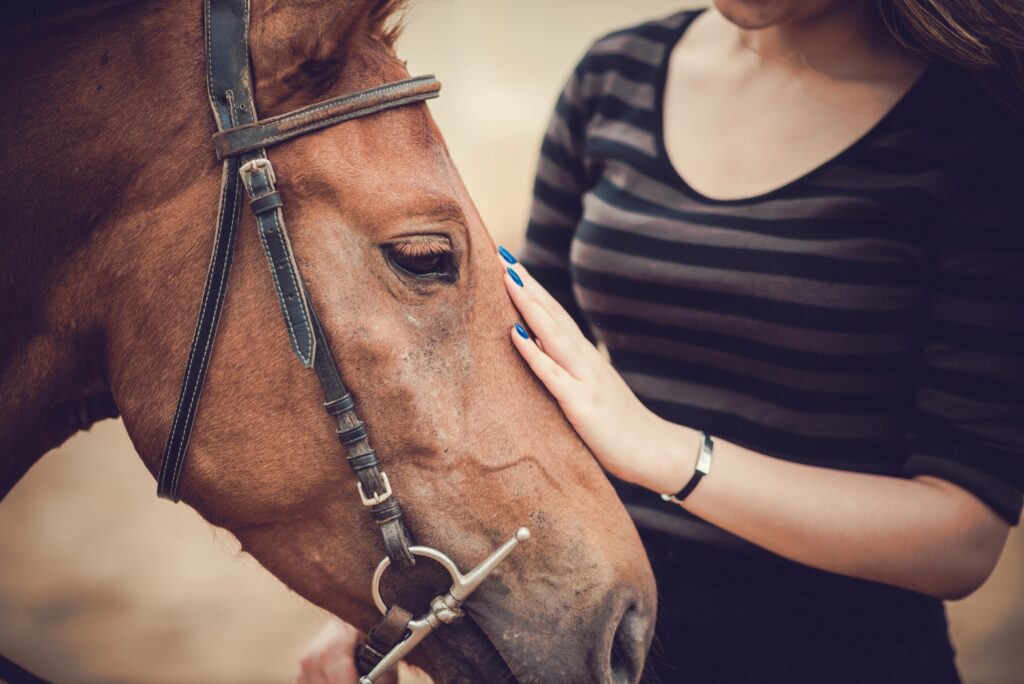
Equine-assisted therapy involves interacting with horses through activities like grooming, feeding, and leading them, rather than riding. Because horses are prey animals, they are incredibly sensitive to non-verbal cues and emotions. This means they mirror the feelings of the people around them, providing immediate, honest feedback. Working with a 1,000-pound animal requires you to be present, calm, and clear in your intentions. This process is highly effective for learning about boundaries, building trust, and developing self-awareness. It is particularly powerful for those who have experienced trauma or are working through conditions like PTSD and other trauma-related disorders, as it helps build confidence and non-verbal communication skills.
Does Insurance Cover Animal Assisted Therapy?
This is the central question for many, and the answer is nuanced: coverage for animal-assisted therapy varies widely between insurance policies. AAT is not directly listed as a covered service. However, that doesn’t mean it’s never covered. Insurance is much more likely to cover the therapist’s time when AAT is integrated into a recognized, evidence-based psychotherapy session, such as cognitive behavioral therapy or trauma therapy.
Coverage often hinges on whether the treatment is deemed “medically necessary” to treat a diagnosed condition like a substance use disorder, PTSD, or anxiety. The key is that you’re not being billed for the animal’s time, but for the licensed therapist’s professional service. To get a clear answer, you’ll need to speak directly with your insurance provider about your specific plan’s mental health benefits. It’s also wise to talk with the treatment center, as they often have experience navigating these issues. The best first step is to confirm what your plan includes. We can help you understand your options when you verify your insurance with us.
How Much Do Animal Assisted Interventions Cost Without Insurance?
If you’re paying out-of-pocket, the cost of animal-assisted therapy can vary quite a bit. Factors such as the provider’s credentials, your location, and the type of animal used all affect the final price per session. For example, equine-assisted therapy is often more expensive than canine-assisted therapy due to the higher costs of caring for horses and maintaining a suitable facility. It’s always a good idea to ask treatment centers if they offer any payment assistance. Some providers have sliding-scale fees based on income or offer flexible payment plans to make care more accessible.
Finding Animal-Assisted Therapy Near You
Finding a qualified AAT program starts with looking for treatment centers that offer holistic or complementary therapies. When you find a potential provider, don’t hesitate to ask specific questions. Inquire about the therapists’ credentials and the therapy animals’ certifications. It’s also important to understand how AAT is integrated into their overall treatment plans and what practices they have in place to ensure animal welfare.
For those in Massachusetts, many outpatient programs can help you explore your options and assist with verifying your local insurance coverage. By asking the right questions, you can find a reputable program that provides safe, effective, and compassionate care.
Take the Next Step in Your Recovery
This journey is about treating the whole person, and AAT is one way to nurture your emotional and mental health. Don’t let uncertainty about logistics stop you from exploring all your options for care. The most important thing is to find a supportive environment where you feel safe to heal and grow. Taking the time to verify your insurance coverage is a great next step, and our team is here to help you figure it out.
Exploring therapies like AAT is a sign of strength, showing your commitment to finding what helps you heal. At Elevate Recovery, we’re here to help you navigate these questions. If you want to know more about our programs or need help understanding your benefits, please reach out. You can call us at (877) 592-2102 or get in touch through our contact page. Taking this step is a powerful move toward recovery.
Sources
- SAMHSA. (June 9, 2023). National Helpline for Mental Health, Drug, Alcohol Issues – SAMHSA. Substance Abuse and Mental Health Services Administration.
- National Center for Biotechnology Information. (January 1, 1996). Chapter 5—Specialized Substance Abuse Treatment Programs – NCBI. U.S. National Library of Medicine.
- National Center for Biotechnology Information. (January 25, 2016). Animal-Assisted Therapies for Youth with or at risk for Mental Health …. U.S. National Library of Medicine.
- National Cancer Institute. (February 2, 2011). Definition of animal-assisted therapy – NCI Dictionary of Cancer Terms. National Cancer Institute.
- National Center for Biotechnology Information. (January 1, 2006). Chapter 3. Intensive Outpatient Treatment and the Continuum of Care. U.S. National Library of Medicine.
- National Center for Biotechnology Information. (July 9, 2012). Psychosocial and Psychophysiological Effects of Human-Animal …. U.S. National Library of Medicine.
- NIH News in Health. (June 17, 2024). The Power of Pets | NIH News in Health. National Institutes of Health.
- U.S. Department of Veterans Affairs. (July 26, 2018). Recovery-Oriented Mutual Self-help Groups – Whole Health Library. U.S. Department of Veterans Affairs.
- National Center for Biotechnology Information. (December 23, 2019). Animal-Assisted Therapy in the Residential Treatment of Dual … – PMC. U.S. National Library of Medicine.
- National Center for Biotechnology Information. (August 30, 2019). Canine and Equine Therapy for Mental Health: A Review of Clinical …. U.S. National Library of Medicine.
- National Association of Addiction Treatment Providers. (2025). Member Directory | National Association of Addiction Treatment …. NAATP.
- Alcoholics Anonymous. (n.d.). Alcoholics Anonymous: Have a problem with alcohol? There is a …. Alcoholics Anonymous.
- Concordia University Wisconsin. (June 9, 1996). Animal Assisted Therapy Certificate – Concordia University Wisconsin. Concordia University Wisconsin.
- University of Michigan. (January 1, 2023). Certificate in Animal Assisted Interventions | University of Michigan …. University of Michigan.
- University of Utah Health. (August 22, 2025). How Therapy Dogs Support Mental Health and Healing. University of Utah.
- Stanford Medicine. (March 11, 2020). Alcoholics Anonymous most effective path to alcohol abstinence. Stanford University.