
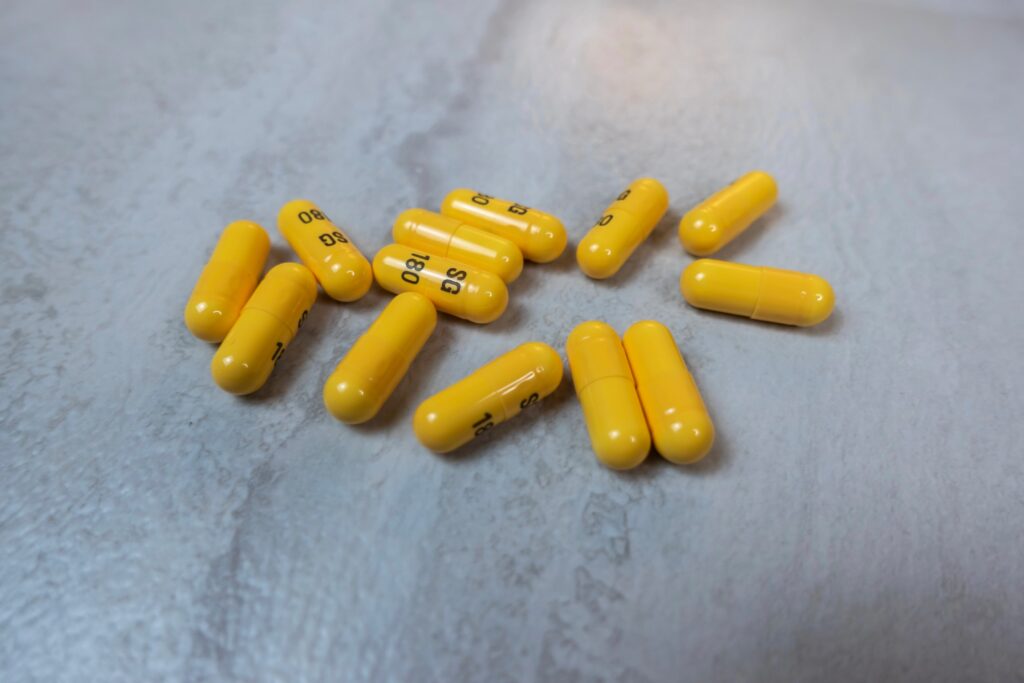
You pick up a new prescription for gabapentin, and alongside a flicker of hope for relief, there’s an ache of uncertainty: What is gabapentin used for? It’s normal to feel a swell of questions in that moment, your mind darting between relief, side effects, and the stories you’ve heard about dependence. Understanding gabapentin isn’t just about reading a label; it’s about feeling informed and confident as you move forward. There’s honest guidance out there to help you weigh the benefits and risks, and to make sure you’re not navigating any worries alone.
What is Gabapentin?
Gabapentin is a prescription medication classified as an anticonvulsant, or anti-epileptic drug. Think of it as a tool that helps calm overactivity in the nervous system. It works by affecting the chemicals and nerves in your body that are involved in causing seizures and certain types of pain. First approved by the FDA in 1993, this medication has been around for a while and is available under brand names like Neurontin, Gralise, and Horizant.
A common question that comes up is whether gabapentin is a narcotic or a controlled substance. Gabapentin is not a narcotic. At the federal level, it isn’t classified as a controlled substance, but that’s changing in many states. Due to growing concerns about gabapentin misuse and its potential to be abused, several states have moved to classify it as a Schedule V controlled substance. This means it has a low potential for abuse relative to other scheduled drugs, but it’s still important to use it exactly as prescribed by your doctor.
What is Gabapentin Used For?
It can be confusing to hear about a medication being used for many different things, but the FDA has officially approved gabapentin for a few specific conditions. Knowing what it’s officially for can help clear up some of the uncertainty. Gabapentin treatment is primarily approved for:
- Postherpetic Neuralgia: This is a type of persistent nerve pain that can linger after a shingles rash has cleared up. For anyone who has experienced it, the burning, sharp, and aching pain can be debilitating. Gabapentin helps by calming the damaged nerves that are sending exaggerated pain signals to the brain.
- Partial Seizures: For adults and children with epilepsy, gabapentin is used as an adjunctive therapy, meaning it’s taken alongside other seizure medications. It helps to control partial seizures, which start in one area of the brain, by reducing the abnormal electrical excitement that causes them. Managing seizures is a critical part of handling epilepsy and can be an important factor in treating co-occurring mental health conditions.
- Restless Legs Syndrome (RLS): One specific formulation of gabapentin is approved for moderate-to-severe RLS. This condition causes an overwhelming urge to move your legs, usually accompanied by uncomfortable sensations. It often strikes at night, making it difficult to get restful sleep. Gabapentin can help ease these symptoms and improve sleep quality.
Off-Label Uses for Gabapentin
Sometimes, a doctor might prescribe a medication for a condition that it’s not officially FDA-approved for. This is known as “off-label” use, and it’s a common and legal practice when a healthcare provider believes the medication can help based on their clinical experience and some scientific evidence. Gabapentin is frequently used off-label for a variety of conditions, including anxiety disorders, fibromyalgia, and alcohol withdrawal. For someone struggling with both a substance use disorder and a mental health condition, finding the right support is key to managing this kind of dual diagnosis.
When it comes to alcohol withdrawal, benzodiazepines are often the standard treatment. However, gabapentin can be a valuable alternative, especially in an outpatient setting, as it may cause less sedation and has a lower potential for misuse. It can help ease symptoms like anxiety and insomnia that come with stopping alcohol use.
Gabapentin has also been prescribed off-label for conditions like bipolar disorder and insomnia, though the evidence for its effectiveness in these areas is still being studied. Any off-label use of gabapentin must be closely monitored by a healthcare provider who can weigh the potential benefits against the risks for your specific situation.
How Should I Take Gabapentin?
Taking gabapentin correctly is key to making sure it works safely and effectively for you. The most important rule is to follow your doctor’s instructions exactly as they’re written on your prescription label. Don’t change your dose or stop taking it without talking to your healthcare provider first. The right gabapentin dose for you depends on several factors, including the condition being treated, your age, and how well your kidneys are working.
An interesting aspect of this medication is its bioavailability, which is the percentage of the drug your body absorbs. With gabapentin, this changes with the dose. For example, at daily doses of 900 mg, your body absorbs about 60% of the medication. But at a much higher dose of 4800 mg, that number drops to just 27%.
This is why your doctor will carefully manage your dosage. You can take gabapentin with or without food, though food can slightly increase absorption by about 14%. If you miss a dose, take it as soon as you remember. However, if it’s almost time for your next dose, just skip the missed one and get back on your regular schedule. Don’t take two doses at once to make up for it.
What Dosage Strengths and Forms Does Gabapentin Come in?
Gabapentin is available in several forms and dosage strengths, which allows your doctor to tailor your treatment to your specific needs. Understanding these options can help you feel more informed about your prescription. The medication typically comes in immediate-release capsules and tablets, extended-release tablets, and an oral solution. Each form has its own range of strengths, usually measured in milligrams (mg). Here’s a quick look at the common options available for this type of medication-assisted treatment.
Most Common Side Effects of Gabapentin
Starting any new medication comes with questions about side effects, and it’s good to be aware of what you might experience. With gabapentin, many of the common side effects are mild and tend to lessen as your body gets used to the medication. It’s a bit like breaking in a new pair of shoes; things can feel a little off at first before they become comfortable. Some of the most frequently reported side effects include:
- Dizziness
- Drowsiness or sleepiness
- Fatigue or feeling tired
- Ataxia (a lack of voluntary coordination of muscle movements, which can look like clumsiness or unsteadiness)
- Swelling in the hands, legs, and feet (peripheral edema)
If you experience any of these symptoms and they persist or are particularly bothersome, it’s important to talk to your doctor. Please don’t stop taking the medication on your own, as that can cause other problems. Your doctor can help you manage these side effects, perhaps by adjusting your dose or suggesting other strategies to help you feel better.
Serious Side Effects
While most side effects of gabapentin are mild, some rare but serious ones require immediate medical attention. Knowing the warning signs can help you act quickly if something feels wrong. A severe allergic reaction is one of the most critical risks.
If you experience symptoms like a rash, hives, itching, or swelling of your face, lips, tongue, or throat, or if you have trouble breathing, you should seek emergency medical help right away. Another serious but uncommon reaction is DRESS syndrome, which involves fever, rash, and swelling of lymph nodes or the face.
It’s also incredibly important to pay attention to your mental and emotional state. Any significant changes in your mood or behavior, such as depression, anxiety, agitation, or thoughts of suicide, should be reported to your doctor immediately. One of the most dangerous risks is severe breathing problems (respiratory depression), which is much more likely to happen when gabapentin is taken with other central nervous system depressants, such as opioids or alcohol. If you or someone else has slow, shallow, or difficult breathing after taking gabapentin, treat it as a medical emergency.
Is Gabapentin Addictive?
This is a really important question, and it helps to understand the difference between physical dependence and addiction. It is possible to become physically dependent on gabapentin, which means your body gets used to having the medication. If you stop taking it suddenly, you could experience withdrawal symptoms. This can happen even when you’re taking it exactly as prescribed.
Addiction, or substance use disorder, is different. It involves compulsive drug-seeking behavior and using a substance despite negative consequences. While gabapentin is generally considered to have a lower addiction potential than opioids or benzodiazepines, there is a growing concern about gabapentin misuse. Some people take it in very high doses, or combine it with other substances like opioids, to produce a euphoric “high.”
This kind of prescription drug misuse significantly increases the risk of developing an addiction. Recognizing that you or a loved one might be struggling is a sign of strength, not weakness. If you’re worried about your use of gabapentin, our compassionate team is here to help. Contact us for a confidential assessment.
Gabapentin Withdrawal
Yes, stopping gabapentin suddenly, especially after using it for a long time, can lead to withdrawal symptoms. This happens because your body has adapted to the presence of the medication, and it needs time to readjust. The experience can be uncomfortable and, in some cases, distressing. Common withdrawal symptoms include anxiety, insomnia, nausea, sweating, and a return of the pain or seizures the medication was treating. Some people also report agitation, headaches, and a general feeling of being unwell.
Because of these potential effects, it is crucial that you do not stop taking gabapentin without medical supervision. Your doctor will help you safely discontinue the medication by creating a taper plan. A taper involves gradually reducing your dose over a period of time, which allows your body to adjust slowly and minimizes the chances of experiencing severe withdrawal symptoms. This careful, guided approach is the safest way to stop treatment.
Making Informed Choices About Gabapentin
Remember, knowledge is empowering, but so is asking for help. If you find yourself struggling with gabapentin dependence or any other substance use, please know that you are not alone and that recovery is absolutely possible. Taking that first step to reach out for support can change everything. If you have questions or are ready to talk, our team at Elevate Recovery is here to listen without judgment. You can call us at (877) 592-2102 or get in touch through our contact page to start a confidential conversation today.
Sources
- U.S. National Library of Medicine. (February 21, 2024). Gabapentin – StatPearls – NCBI Bookshelf. National Center for Biotechnology Information.
- U.S. Food and Drug Administration. (December 19, 2019). Gabapentin and Pregabalin: Drug Safety Communication – FDA. U.S. Food and Drug Administration.
- U.S. Food and Drug Administration. (January 30, 2020). Serious breathing difficulties with gabapentin and pregabalin – FDA. U.S. Food and Drug Administration.
- U.S. Food and Drug Administration. (December 10, 2000). Drug Approval Package: Neurontin (Gabapentin) NDA #021216 …. U.S. Food and Drug Administration.
- U.S. National Library of Medicine. (March 30, 2010). [PDF] 022544Orig1s000 – accessdata.fda.gov. National Center for Biotechnology Information.
- Substance Abuse and Mental Health Services Administration. (June 9, 2023). National Helpline for Mental Health, Drug, Alcohol Issues – SAMHSA. U.S. Department of Health and Human Services.