
Did you know that a common baking ingredient in your kitchen cabinet contains an alcohol percentage, 35 to 40 percent, that rivals vodka or gin? It’s surprising how something as familiar as vanilla extract can hold hidden risks when misused, turning a household staple into something unexpectedly dangerous. If you’re wondering just how serious a vanilla extract overdose can be, you’re already taking the first step toward protecting yourself or someone you care about. Knowing the facts can bring a sense of control, and if deeper struggles are beneath the surface, there’s understanding and support ready when you need it most.
What Is Vanilla Extract?
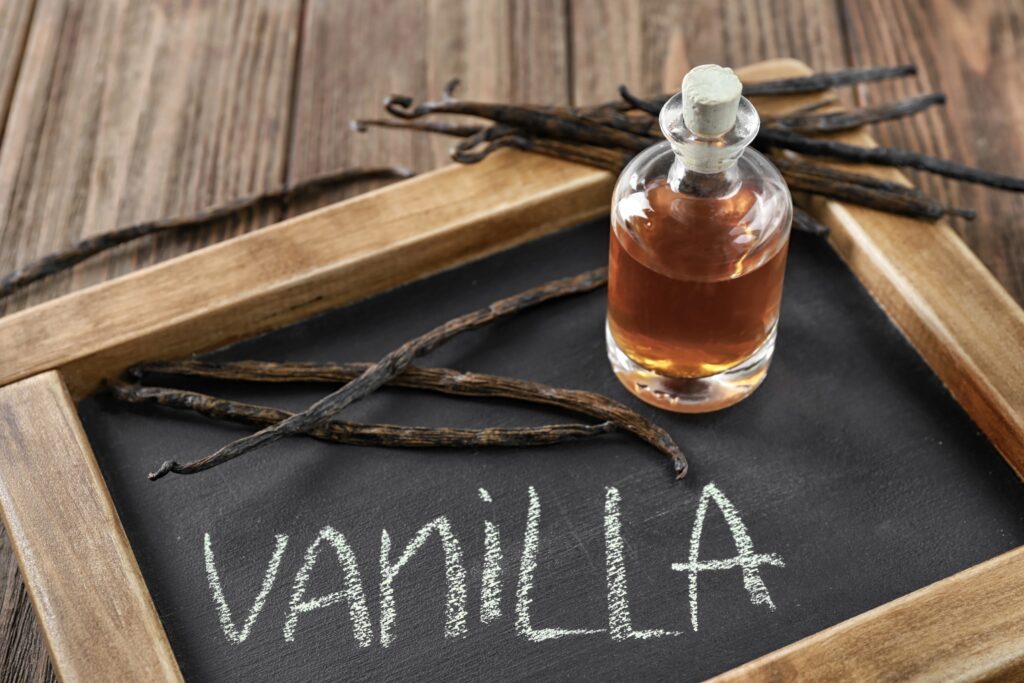
While most of us view vanilla extract simply as a way to enhance flavor in cookies or cakes, the chemical reality of this product is quite potent. To create the extract, vanilla beans are macerated in a mixture of water and ethyl alcohol. This alcohol acts as a necessary solvent, pulling the essential flavor compounds from the beans and preserving them over time.
The concentration of alcohol required for this process is substantial. According to federal standards set by the Food and Drug Administration (FDA), any product labeled as pure vanilla extract must contain a minimum of 35% alcohol by volume (ABV). In practice, many store-bought brands range from 35% to 40% ABV. When you look at the numbers, this essentially means a standard bottle of vanilla extract has the same alcohol strength as 70-proof spirits like vodka, gin, or rum. This high alcohol content is why the substance can be hazardous if ingested in large quantities rather than used sparingly in recipes.
Signs and Symptoms of Vanilla Extract Overdose
Because the intoxicating agent in vanilla extract is ethanol, an overdose presents exactly like alcohol poisoning. The body does not distinguish between alcohol from a liquor bottle and alcohol from a baking vial; the toxic effects on the central nervous system are the same. Recognizing these signs early can successfully prevent a dangerous situation from escalating.
Immediate Symptoms
When someone consumes a large amount of extract, the effects kick in rapidly. You might notice behavioral and physical changes such as:
- Sudden dizziness or a distinct loss of physical coordination (stumbling).
- Slurred speech or difficulty forming coherent sentences.
- Nausea, stomach cramps, and vomiting.
- Obvious confusion, brain fog, or poor judgment.
- Complaints of a throbbing headache.
Severe Symptoms
If the person has consumed a toxic dose, the situation can deteriorate into a life-threatening medical emergency. Watch closely for these severe symptoms of toxicity:
- Seizures or convulsions.
- Irregular breathing patterns or fewer than eight breaths per minute.
- Skin that looks pale, clammy, or bluish (cyanosis), indicating poor oxygenation.
- Hypothermia occurs when the body temperature drops dangerously low.
- Total loss of consciousness or an inability to be awakened.
How Much Vanilla Extract Is Dangerous?
Determining a specific “safe” or “unsafe” limit is difficult because everyone metabolizes alcohol differently. Factors such as a person’s weight, age, biological sex, overall health, and personal tolerance levels all play a massive role in how their body reacts to ethanol. What might cause mild tipsiness in one person could lead to hospitalization for another. However, relying on standard measurements can help put the risk in perspective.
The Centers for Disease Control and Prevention (CDC) defines a standard drink based on pure alcohol content. Drinking just four ounces of vanilla extract is roughly equivalent to taking four shots of 80-proof vodka. Consuming that volume in a short period creates a high risk of intoxication and poisoning. It is important to distinguish this misuse from culinary use; adding a teaspoon to a batch of batter distributes the alcohol so thinly that it poses no harm.
What to Do in Case of Vanilla Extract Overdose
Discovering that someone has overdosed requires quick, decisive action. Do not wait for symptoms to worsen. Follow these emergency steps immediately:
- Dial 911 right away. This is a medical emergency. Tell the operators exactly what was consumed and how much.
- Stay by their side. Never leave the person alone. Their condition can change rapidly, and they need constant monitoring.
- Use the recovery position. If they are lying down, roll them onto their side. This prevents them from choking if they vomit while unconscious or drowsy.
- Avoid home remedies. Do not try to make them vomit, and do not give them coffee or cold showers. These tactics do not lower blood alcohol levels and can actually cause more harm during a medical crisis.
Long-Term Health Risks of Drinking Vanilla Extract
While the immediate danger of overdose is frightening, the long-term implications of consuming vanilla extract due to its alcohol content are equally serious. Repeated exposure to high-proof alcohol damages the body over time. The liver is particularly vulnerable, facing risks of inflammation, fatty liver disease, and eventual failure. The pancreas and heart can also suffer significant damage from chronic ethanol toxicity.
Beyond the physical toll, drinking vanilla extract is often a major red flag for Alcohol Use Disorder (AUD). When someone resorts to consuming household products to get intoxicated, it typically indicates a desperate need to satisfy a craving or avoid withdrawal symptoms when traditional alcohol is unavailable. This behavior suggests that the addiction has progressed to a point where professional intervention is necessary to address the root causes and begin healing.
Preventing Misuse of Vanilla Extract
Protecting your household from this specific risk involves a few practical adjustments and open communication. First, treat vanilla extract like you would any liquor. Store it in a high or locked cabinet, especially if you have teenagers or someone in recovery living in your home. Monitoring the levels in the bottle can also help you spot unauthorized use early.
Communication is your other main tool. Talk to your family, particularly teenagers, about the dangers involved. Make sure they understand that just because a product is sold in a grocery store doesn’t mean it is safe to drink in large amounts. If you want to remove the risk entirely, consider switching to alcohol-free alternatives. Vanilla flavoring, vanilla paste, or glycerin-based extracts offer the same great taste for baking without the high alcohol content.
Treatment Options for Alcohol Use Disorder
If you or a loved one is struggling with alcohol misuse, you don’t have to face it alone. At Elevate Recovery, we provide compassionate, evidence-based care designed to help you reclaim your life. We offer a variety of outpatient programs in Massachusetts that provide flexibility so you can receive treatment while managing daily responsibilities.
Our levels of care include standard treatment, half-day treatment, and full-day treatment. Each level is tailored to the intensity of support you need. We also specialize in dual diagnosis treatment, which addresses co-occurring mental health conditions like anxiety or depression alongside addiction. This holistic approach ensures that both the substance use and the underlying emotional struggles are treated together for lasting recovery.
Your Path to Recovery Starts Here
Understanding that a common baking item can pose such a serious threat is an important moment of awareness. Recognizing these hidden dangers is a sign of strength, not weakness. If you see these patterns in yourself or someone close to you, please know that help is available and recovery is possible.
You do not have to navigate this challenging time on your own. The team at Elevate Recovery is ready to listen and help you find the right path forward. For a confidential assessment or simply to ask questions about your options, call us at (877) 592-2102 or contact us today. Let us help you take that first step toward health and healing today.
Sources
- U.S. Alcohol and Tobacco Tax and Trade Bureau. (April 1, 2024). Vanilla Extracts and Vanilla Flavors | TTB: Alcohol and Tobacco Tax … . U.S. Alcohol and Tobacco Tax and Trade Bureau.
- U.S. Government Publishing Office. (March 1, 2017). 21 CFR 169.175 — Vanilla extract. – eCFR. Electronic Code of Federal Regulations.
- U.S. Food and Drug Administration. (November 27, 2024). [PDF] Food Labeling Guide – FDA. U.S. Food and Drug Administration.
- National Institute on Alcohol Abuse and Alcoholism. (December 1, 2020). Understanding the Dangers of Alcohol Overdose. National Institute on Alcohol Abuse and Alcoholism.
- Centers for Disease Control and Prevention. (December 12, 2024). About Standard Drink Sizes | Alcohol Use – CDC. Centers for Disease Control and Prevention.
- Substance Abuse and Mental Health Services Administration. (June 9, 2023). National Helpline for Mental Health, Drug, Alcohol Issues – SAMHSA. Substance Abuse and Mental Health Services Administration.
- National Center for Biotechnology Information. (June 21, 2023). Ethanol Toxicity – StatPearls – NCBI Bookshelf – NIH. National Center for Biotechnology Information.
- National Institute on Alcohol Abuse and Alcoholism. (August 12, 2025). Glossary | National Institute on Alcohol Abuse and Alcoholism (NIAAA). National Institute on Alcohol Abuse and Alcoholism.
- National Institute on Alcohol Abuse and Alcoholism. (August 12, 2025). Alcohol Use Disorder (AUD) in the United States: Age Groups and … . National Institute on Alcohol Abuse and Alcoholism.
- National Center for Biotechnology Information. (April 4, 2013). ALCOHOL AND TOXICITY – PMC – NIH. National Center for Biotechnology Information.