
The vibrant, detached feeling has faded, and now you’re back in your body, only nothing feels quite right. Maybe you’re exhausted, your thoughts racing, or there’s a heavy unease hanging over you that just won’t lift. If you’re searching for answers in that uncertain, raw moment, know that you’re not alone. Learning what really happens during a ketamine comedown is the first step to making sense of these sensations, and there’s a clear, caring path forward to help you find your balance again.
What is a Ketamine Comedown?
Think of your brain chemistry like a stretched elastic band. When you use ketamine, you are pulling that band tight, altering the way neurotransmitters like glutamate and dopamine function to create a high. A “comedown” is simply the snap back; the period where your body works overtime to return that band to its resting state. It is a biological readjustment process in which your system attempts to regain homeostasis after the drug’s chemical disruption.
It is important to distinguish this temporary crash from the more complex process of withdrawal, though the two can feel similar. A comedown is the immediate after-effect of the drug wearing off, often happening to recreational users regardless of their usage history. In contrast, withdrawal typically points to a developed physical dependence where the body has relied on the substance to function normally over a longer period.
For those navigating this difficult rebound phase, understanding that this is a physiological response, much like the body’s reaction during drug detox and stabilization, can help reduce the fear associated with the symptoms. According to the National Institute on Drug Abuse, ketamine significantly impacts brain targets responsible for perception and emotion, which explains why the recalibration period can feel so mentally and physically draining.
What Does a Comedown Feel Like?
While the chemical process is universal, the subjective experience of coming down is unique to every individual. However, most people report feeling “drained” or “hollow.” The symptoms tend to cluster into two main categories: the emotional toll and the physical exhaustion.
Psychological Symptoms
The mind often takes the hardest hit as dopamine levels drop.
- Anxiety and Restlessness: severe jitteriness or a feeling of impending doom.
- Depressive Episodes: a sudden onset of low mood or hopelessness, often linked to the complex relationship between depression and addiction.
- Irritability: a short fuse or inability to tolerate noise and interaction.
- Cognitive Fog: difficulty focusing, confusion, or lingering disorientation.
Physical Symptoms
The body reacts to the absence of the anesthetic effects.
- Deep Fatigue: feeling heavy-limbed or unable to get out of bed.
- Nausea and Appetite Loss: stomach cramps or a general aversion to food.
- Headaches: varying from dull throbbing to sharp pain.
- Sensory Sensitivity: lights may seem too bright, or sounds too loud.
How Long Does a Comedown Last After Ketamine Use?
A common misconception is that the comedown ends when the “high” is gone. While the acute psychoactive effects of ketamine might last only 30 to 60 minutes, the metabolic cleanup takes much longer. Biology dictates a rule of “half-lives”—the time it takes for 50% of the substance to leave your system. Ketamine has a half-life of roughly 2.5 hours, meaning it generally takes four to five of these cycles (about 10 to 12.5 hours) for the drug to be effectively eliminated.
| Phase | Approximate Duration | What to Expect |
|---|---|---|
| Acute Effects | 30 – 60 minutes | Dissociation, hallucinations, sedation. |
| Metabolic Clearance | ~12 hours | Body actively processing toxins; urine detection possible for weeks. |
| The Comedown | 24 – 72 hours (or longer) | Brain chemistry rebalancing; mood swings and fatigue caused by the “rebound.” |
Several variables can stretch this timeline. The amount you take directly increases the processing load on your liver. Frequency of use matters, too; if you use it often, your body may struggle to clear the backlog. Mixing ketamine with alcohol or other substances creates a “cocktail effect” that confuses the body’s metabolic pathways, often extending the duration and severity of the after-effects significantly.
Dangerous Long-Term Effects of Ketamine
While a comedown is temporary, repeated exposure to ketamine can initiate a ladder of increasing health risks. The first rung is tolerance. The brain quickly adapts to the drug’s presence, requiring higher doses to achieve the same dissociative state. Research indicates that frequent users may increase their dosage by up to 600% from their initial use. This chase forces the user to consume dangerous amounts of the substance, accelerating the path toward psychological dependence and drug addiction. The physical fallout of high-dose, long-term use is severe and specific. The urinary tract is particularly vulnerable to the toxic byproducts of ketamine metabolism.
This damage often manifests as “ketamine bladder syndrome,” a painful condition similar to ulcerative cystitis. Over time, the bladder walls can thicken and contract, leading to frequent, painful urination and sometimes irreversible damage requiring surgery. Beyond the bladder, chronic use poses significant threats to mental health. Persistent memory deficits, attention problems, and enduring anxiety can plague long-term users, as noted in toxicological reviews by StatPearls.
Treatment for Ketamine Addiction
Recognizing that recreational use has shifted into a dependency is a brave realization. It is also the turning point where professional intervention can change the trajectory of your life. Recovery generally requires more than willpower; it requires a structured environment where the underlying causes of addiction, such as trauma or untreated mental health issues, can be addressed simultaneously.
At Elevate Recovery in Massachusetts, we specialize in outpatient programs designed to fit into real life while providing rigorous clinical support. Our day treatment program offers the medical oversight and therapeutic depth of inpatient care without requiring you to sleep at the facility. We place a heavy emphasis on dual diagnosis treatment. Because ketamine use is often driven by a desire to escape feelings of depression or anxiety, our approach heals both the substance use disorder and the co-occurring mental health challenges together, using evidence-based therapies like cognitive behavioral therapy and group counseling to build lasting resilience.
When a Ketamine Comedown Becomes Something More
For some people, a ketamine comedown is short-lived. The ketamine high fades after a few hours, and while mood swings, nausea, anxiety, or fatigue may linger for a few days, the body eventually stabilizes. But for others, repeated ketamine use can shift the experience from a temporary crash into something more serious.
Signs of Ketamine Withdrawal and Psychological Dependence
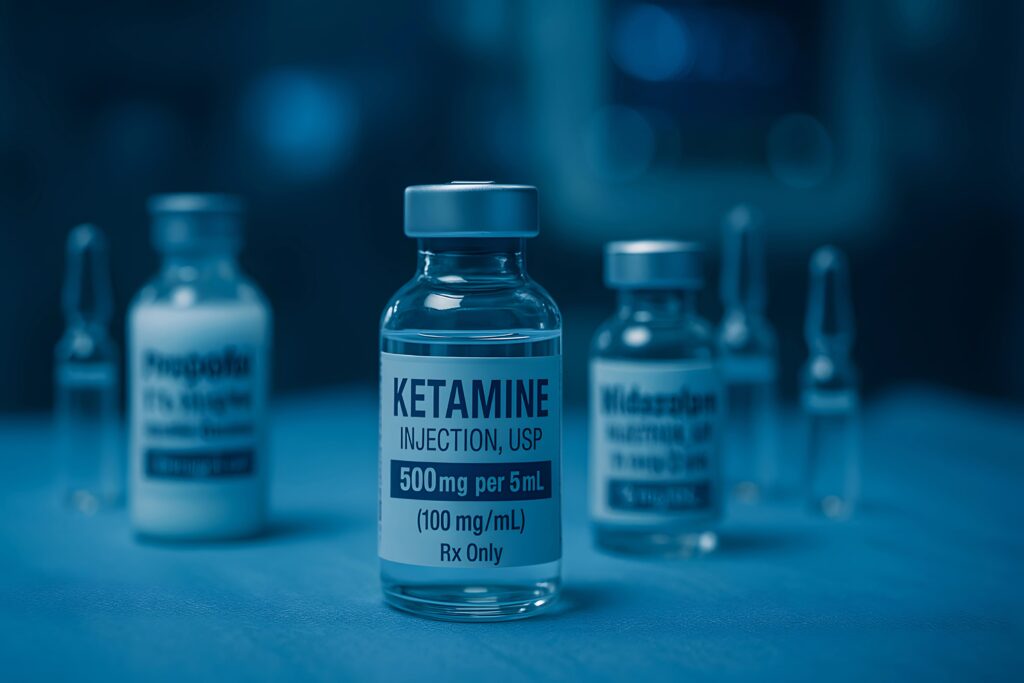
Ketamine is a dissociative anesthetic originally developed for medical settings and administered in liquid form as a clear liquid. Outside of clinical supervision, however, ongoing drug use can lead to tolerance and psychological dependence. As tolerance builds, larger amounts of the substance are needed to achieve the same effects, increasing the risk of ketamine addiction.
When use becomes frequent or chronic, ketamine exposure occurs, and individuals may begin to experience ketamine withdrawal symptoms. Unlike the immediate comedown, ketamine withdrawal may involve persistent mood changes, depression, anxiety, irritability, cravings, and other withdrawal symptoms that interfere with daily life. Physical symptoms such as nausea, sleep disruption, and fatigue can also develop.
Repeated substance use may also affect the urinary tract, particularly with long-term or high-dose exposure. These complications highlight why early intervention matters.
Treatment Options for Ketamine Addiction
The best treatment for ketamine addiction involves more than simply stopping the drug. A structured ketamine detox supervised by medical professionals can help manage withdrawal symptoms safely. From there, comprehensive treatment may include individual therapy, group therapy, and evidence-based therapies designed to address underlying mental health concerns and substance use disorders.
Effective treatment for ketamine addiction focuses on healing the brain and body together. By addressing depression, anxiety, and the root causes of drug abuse, individuals can move toward lasting recovery and regain control of their mood, health, and future.
Your Path Forward Starts Here
Facing a comedown can feel overwhelming, but remember that the pain you are feeling right now is temporary, and it does not define your future. Whether you are dealing with the immediate after-effects or worrying about long-term risks, help is available and effective. You do not have to carry this burden alone. Taking action to protect your health is a profound act of courage. If you are ready to reclaim your stability and joy, Elevate Recovery is here to walk that path with you. Call us today at (877) 592-2102 or contact us online to start your journey toward a compassionate, lasting recovery.