
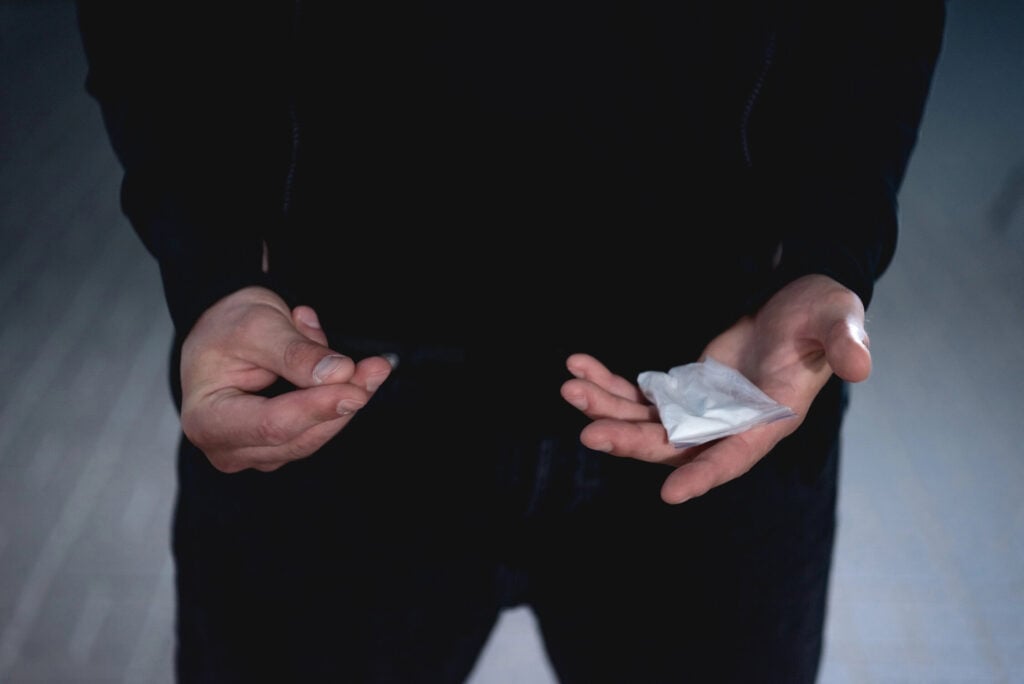
When people look at before-and-after drug use photos, the changes can be startling. Faces, health, and energy can all shift in ways that seem unrecognizable. But those images only capture the surface. Behind every picture is a real person; someone carrying the weight of substance use, mental health challenges, and life circumstances that often play a role in various addictions.
At Elevate Recovery in Massachusetts, we provide compassionate treatment designed to meet individuals where they are. From day programs (often referred to by insurance as partial hospitalization programs) to half-day programs (commonly known as intensive outpatient programs), and more, our goal is to make recovery accessible and supportive at every stage.
Before and After Drugs: Physical Changes
The changes we see in before and after drug photos don’t happen overnight. In fact, for many, the path begins in the teen years, when the brain is still developing and more vulnerable to outside influences. Environmental factors such as stress, trauma, peer pressure, or easy access to illegal drugs can all increase the risk of experimenting.
Addiction affects the entire body, and while the severity can vary depending on the type of substance, the signs often become hard to ignore.
Drug abuse can lead to:
- Severe Tooth Decay and Tooth Loss: Often called meth mouth in cases of methamphetamine use, this condition develops because of dry mouth, teeth grinding, and poor dental health caused by chronic drug use.
- Gum Disease and Oral Health Issues: Stimulants and other illicit drugs reduce saliva production, which can cause long-term gum infections, cavities, and oral pain.
- Hair Loss and a Tired Appearance: Prolonged substance use weakens the body, leading to thinning hair, dull skin, and the appearance of premature aging.
- Dilated Pupils or Bloodshot Eyes: These are common signs of intoxication when someone is actively taking drugs, and they can signal an immediate impact on the nervous system.
- Weight Loss or Malnutrition: Many substances suppress appetite or interfere with the body’s ability to absorb nutrients, which can cause drastic and unhealthy changes in body weight.
By the time visible damage appears, most people have already been struggling for years. But the earlier someone seeks help, the greater their chance of recovery. Evidence-based treatment programs can interrupt the cycle at any stage, whether someone is in the early stages of misuse or has been addicted to drugs for decades.
These physical symptoms are more than surface-level concerns; they can deeply impact a person’s health, self-confidence, and relationships. People struggling with these outward signs may feel isolated, ashamed, or judged, which often makes it even harder to ask for help.
The good news is that with the right treatment programs, many of these health issues can be managed or improved. Recovery allows individuals to heal physically as well as emotionally, rebuilding both their strength and their sense of self.
How Drugs Affect Mental Health and Mental Disorders
Drug addiction isn’t just about physical health; it’s also deeply tied to the brain. Research shows that taking drugs or other addictive substances alters brain chemistry, leading to mental health problems, cravings, and the cycle of addiction.
Many people develop co-occurring disorders, where substance abuse is linked with mental health disorders like depression, anxiety, or bipolar disorder. The fact remains: drug misuse can intensify existing mental disorders, making it harder to cope without professional help.
Some common signs of drug-related mental health changes include:
- Mood swings and irritability
- Increased energy or paranoia from stimulant drugs
- Withdrawal, isolation, or lack of healthy relationships
- Loss of self-confidence and difficulty with communication skills
These mental health challenges don’t just affect the individual, but they also impact families, friendships, and communities. Recognizing these warning signs early is vital. With evidence-based treatment programs, individuals can begin to heal both emotionally and physically, regaining stability and learning healthier ways to manage their emotions.
The Faces of Drug Addiction and Drug Misuse
When looking at drug users before and after, the impact goes far beyond outward appearances. A person’s entire life changes, like relationships with loved ones, career opportunities, and even daily functioning, are affected. Some of the negative impacts of drug abuse include:
- Strained relationships with family members and friends
- Difficulty maintaining jobs, financial stability, or education
- Development of health disorders due to substance use
- Experiencing painful withdrawal symptoms when trying to stop
- Needing a larger dose over time due to tolerance
These transformations highlight why early intervention and access to evidence-based treatment programs are so critical. The sooner someone seeks help, the better their chances of breaking free from the cycle of addiction and beginning the process of recovery.
Why Photos Don’t Tell the Full Story of Drug Use
Before-and-after images often highlight changes in physical appearance, showing how drug abuse and addiction can affect someone on the outside. But these pictures only tell part of the story. They can’t capture the struggles with depression, anxiety, or trauma that often go hand in hand with drug addiction.
The reality is that the signs of addiction extend far beyond what you can see. Emotional pain, strained relationships, and the daily challenges of living with untreated mental health conditions can all lead to a deeper cycle of substance use. At the same time, those photos don’t show the courage it takes to seek addiction treatment or the resilience people demonstrate as they work toward better health and recovery.
That’s why it’s important to view addiction not just through outward changes but through the full scope of a person’s life. Effective treatment addresses both what’s visible and what lies beneath, helping individuals move from surviving to thriving.
Evidence-Based Care for Your Recovery Journey
While before and after drug addiction photos may look grim, the story doesn’t have to end there. With compassionate care, evidence-based treatment, and the right support system, recovery is always possible.
At Elevate Recovery in Massachusetts, we provide programs designed to meet people where they are in their recovery journey.
Our treatment options include:
- Drug and Alcohol Detox: Safe, clinically guided detox services to help patients manage withdrawal and begin recovery with medical support.
- Inpatient Treatment: Residential, 24/7 care with evidence-based therapy, peer support, and individualized treatment planning.
- Outpatient Treatment: Structured therapy and recovery services while maintaining home and school responsibilities.
- Virtual Treatment: Secure, online therapy and group sessions for accessible care from anywhere in Massachusetts.
- Mental Health Treatment: Compassionate support for co-occurring mental health needs, from depression and anxiety to trauma.
- Youth & Young Adult Treatment: Specialized, age-appropriate programs designed for adolescents and young adults.
Whether someone is just beginning to recognize the signs of drug use or has been struggling with substance use disorder for years, our team is here to help guide the way forward. With the right treatment, individuals can rebuild their health, rediscover confidence, and create a new future filled with hope.
Finding Life After Addiction with Elevate Today
At Elevate Recovery in Massachusetts, we recognize that addiction develops for many different reasons. Our approach looks beyond symptoms to understand the full picture, offering personalized, evidence-based treatment that meets people where they are. By addressing both substance use and mental health, Elevate Recovery helps create a foundation for lasting healing.
If you or someone you love is struggling, do not wait. Seek treatment today and take the first step away from the pain of addiction and toward meaningful recovery. Life after drugs is possible, and Elevate Recovery is here to help you find it.
Sources
Drug Misuse and Addiction. (2020, July 6). National Institute on Drug Abuse.
Drugs and the Brain. (2020, July 6). National Institute on Drug Abuse.