
Watching someone you care about change is one of the hardest things you can go through. Maybe you’ve noticed they’re not acting like themselves, or perhaps you’re seeing frightening physical and emotional shifts. If you suspect that crack cocaine is the cause, you’re likely feeling scared, confused, and unsure of what to do next. Please know that what you’re feeling is valid, and you’re not alone. The journey to understanding what’s happening starts with recognizing the symptoms of crack addiction, and just by being here, you’re taking a brave and compassionate first step.
What is Crack Cocaine?
Crack cocaine is a powerful, highly addictive stimulant that is a processed, smokable form of cocaine. Unlike powder cocaine, which is a salt, crack is a “freebase” form of the drug. This chemical difference means it can be heated and its vapors inhaled. This method of smoking allows the drug to reach the brain much more quickly than snorting powder, producing an intense but very short-lived high.
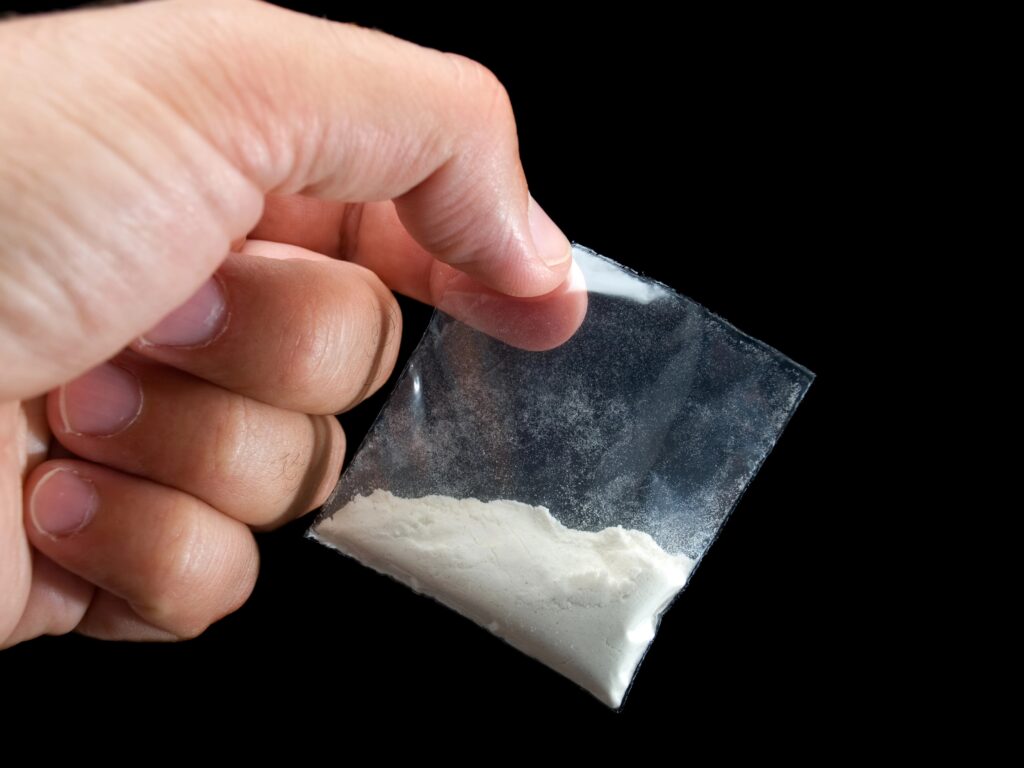
Crack typically looks like small, off-white or yellowish chunks or crystals, often called “rocks.” Because of the way it’s processed, a batch of crack often contains about 75-90% pure cocaine, making it incredibly potent and dangerous. Understanding the distinction between its forms is a key part of recognizing the signs of crack cocaine abuse and addiction.
Signs and Symptoms of Crack Addiction
When someone is struggling with crack cocaine addiction, the warning signs often show up in every area of their life. Recognizing these changes can be difficult, but they generally fall into three categories: physical, psychological, and behavioral. It’s not just one sign, but a pattern of them, that can point to a serious problem.
These symptoms reflect the drug’s powerful hold on a person’s body and mind, and seeing them clearly is the first step toward getting help. By learning to identify these warning signs, you can better understand what your loved one is going through and why professional treatment is so important.
Physical Signs of Crack Cocaine Use
The physical signs of crack use can be some of the most visible indicators. Because it’s a powerful stimulant that’s typically smoked, its effects on the body can be distinct and alarming. You might notice:
- Dilated pupils that are larger than normal, even in bright rooms.
- Burns or blisters on the lips or fingers from contact with a hot pipe.
- A persistent cough or other respiratory issues from inhaling the smoke.
- Significant weight loss that happens quickly due to a suppressed appetite.
- Constant restlessness, jitters, or an inability to sit still.
- Involuntary muscle twitches or tremors.
Psychological and Behavioral Signs
The psychological and behavioral signs often reveal a deep struggle within. The intense cycle of highs and lows can dramatically change a person’s personality and priorities. Some of the most common behavioral signs include:
- Extreme mood swings, shifting from euphoria to deep depression or irritability.
- Increasing paranoia, suspicion, or even hallucinations.
- Uncharacteristic aggression, agitation, or violent outbursts.
- Heightened anxiety or panic attacks.
- Withdrawing from friends, family, and activities they once enjoyed.
- Neglecting important responsibilities at work, school, or home.
- Sudden financial problems, borrowing or stealing money to support their drug use.
- Effects of Crack Use
Beyond the immediate, visible symptoms, the effects of crack use create profound and dangerous health risks. This powerful stimulant takes a heavy toll on the body and mind, with consequences that can appear almost instantly and others that build over time.
Understanding these effects helps clarify why stopping is so difficult and why professional medical care is critical. The drug impacts everything from the cardiovascular system to mental well-being, creating both short-term emergencies and long-term, chronic damage.
Immediate Effects Of Crack Abuse
The intense high from smoking crack is one of the main reasons it is so addictive. The effects of crack are felt within 10-15 seconds after being smoked, but this rush lasts for only a few minutes. This fleeting euphoria often leads to repeated use in a short period, known as binging. The most dangerous immediate effects include:
- A powerful wave of euphoria and confidence.
- A surge of energy and heightened alertness.
- A dangerously increased heart rate.
- Spikes in blood pressure to unsafe levels.
- Constricted blood vessels, which reduce blood flow to vital organs.
- A significant risk of heart attack, stroke, or sudden death, even for a first-time user.
Long-Term Effects Of Crack Abuse
Chronic crack abuse leads to devastating long-term consequences that can permanently damage a person’s health and quality of life. The body can’t withstand the repeated stress. Over time, these effects can become irreversible. The long-term effects include:
- Severe damage to the heart, lungs, liver, and kidneys.
- Permanent lung damage from smoking is often called “crack lung.”
- Increased risk of heart failure, stroke, and seizures.
- Severe dental problems, including tooth decay and loss.
- Malnutrition and significant weight loss from appetite suppression.
- Lasting psychological consequences like severe depression, psychosis, and paranoia.
What Crack Cocaine Users Can Expect from Withdrawal Symptoms
When someone stops using crack, their body and mind go through withdrawal. Unlike withdrawal from some other substances, crack withdrawal is primarily psychological, but that doesn’t make it any less difficult or dangerous. The experience can be intensely uncomfortable and emotionally painful, which is a major reason why people return to the drug. The symptoms often feel overwhelming, making it hard to imagine life without the substance.
Common symptoms of withdrawal include:
- Intense cravings for the drug that are difficult to ignore.
- Severe depression, feelings of hopelessness, and sometimes suicidal thoughts.
- Overwhelming fatigue and exhaustion make it hard to perform daily tasks.
- Heightened anxiety, agitation, and irritability.
- Vivid and unpleasant dreams or nightmares.
Treatment and Rehab for Crack Cocaine Addiction
If you or someone you love is showing symptoms of crack addiction, please know that recovery is entirely possible with the right support. At Elevate Recovery, we understand that addiction is a disease, not a moral failing, and we provide compassionate, evidence-based care to help people heal. Our stimulant addiction treatment programs for adults are designed to be flexible, offering outpatient treatment that allows you to manage your recovery while tending to your life’s responsibilities.
Often, crack cocaine addiction co-occurs with mental health conditions like anxiety or depression. Our dual diagnosis treatment programs address both the substance use and any underlying mental health issues simultaneously. Through behavioral therapy like cognitive behavioral therapy (CBT) and other holistic approaches, we help you develop the coping skills needed for lasting sobriety. If you’re ready to talk, our team is here to offer a confidential assessment and help you understand your options.
Seeking Help for a Crack Cocaine Addiction
Recognizing the symptoms of crack addiction is a monumental first step on the journey to recovery. It takes incredible courage to acknowledge that there is a problem and even more to ask for help. Crack cocaine addiction is a serious and complex disease, but it is treatable. With professional care at Elevate Recovery, unwavering support, and a commitment to healing, you or your loved one can reclaim a healthy, fulfilling life. The path forward may seem uncertain, but you don’t have to walk it alone. Your family can be a vital part of this journey, and with guidance, they can learn how to best support you.
If you’re ready to take the next step, our team at Elevate Recovery is here to listen without judgment and help you explore your options for treatment in Massachusetts. A confidential, no-obligation conversation can make all the difference. Please, don’t wait. Call us today at (877) 592-2102 or reach out to us online. Hope and healing are within reach, and we are here to help you find them.
Sources
- National Library of Medicine. (November 20, 1996). Crack cocaine and cocaine hydrochloride. Are the differences myth or reality?. PubMed.
- National Center for Biotechnology Information. (April 13, 2022). Cocaine: An updated overview on chemistry, detection, biokinetics, and clinical aspects. PMC.
- National Center for Biotechnology Information. (January 1, 1999). Cocaine and psychiatric symptoms. PMC.
- National Institute on Drug Abuse. (September 27, 2024). Cocaine. National Institute on Drug Abuse.
- National Center for Biotechnology Information. (April 24, 2018). Dark classics in chemical neuroscience: Cocaine. PMC.
- MedlinePlus. (January 8, 2025). Cocaine withdrawal. MedlinePlus Medical Encyclopedia.
- StatPearls Publishing. (September 2, 2024). Withdrawal syndromes. NCBI Bookshelf.
- National Center for Biotechnology Information. (October 16, 2019). The treatment of cocaine use disorder. PMC.
- Substance Abuse and Mental Health Services Administration (SAMHSA). (June 9, 2023). SAMHSA’s National Helpline. SAMHSA.
- National Institute on Drug Abuse (NIDA). (July 6, 2020). Treatment and recovery. NIDA.