
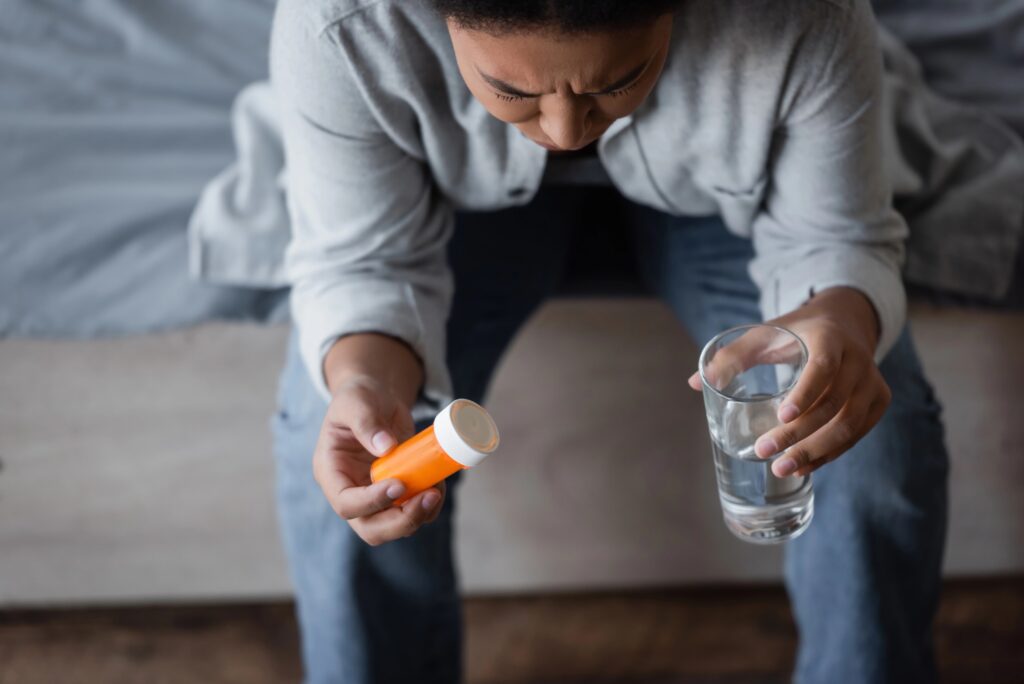
If you’re taking antidepressants, you might be asking yourself, “Can you get addicted to antidepressants?” It’s a question that comes from a place of real concern. You started this medication to feel better, to manage depression or anxiety, and the last thing you want is to trade one problem for another. The confusion around terms like addiction, dependence, and withdrawal can make it hard to know what’s really going on with your body and brain. Let’s clear things up, so you can feel confident and informed about your treatment and your health.
Can You Get Addicted to Antidepressants?
This is the central question, and the direct answer is no, you cannot get addicted to antidepressant medications in the same way someone might become addicted to opioids or alcohol. The key is understanding the difference between “addiction” and “physical dependence.” Addiction, or what clinicians call a substance use disorder, involves compulsive drug-seeking and use despite harmful consequences. It’s a behavioral condition where the pursuit of the substance takes over your life. Antidepressants don’t cause this compulsive, reward-seeking behavior.
However, you can develop a physical dependence on them. This simply means your body has adapted to the presence of the medication. If you stop taking it suddenly, you may experience withdrawal symptoms. Research suggests that around 35% of people may develop this kind of dependence. It’s a normal physiological response, not a sign of addiction. Experiencing withdrawal doesn’t mean you’ve done anything wrong; it just means your body needs time to readjust.
What Are Antidepressants?
Antidepressants are prescription medications that help balance the levels of certain chemicals in the brain called neurotransmitters. Think of these chemicals, like serotonin, as messengers that play a big role in regulating your mood. When they’re out of balance, it can lead to symptoms of depression or anxiety. The primary job of an antidepressant medication is to help restore that balance and ease those symptoms, making it easier to navigate daily life.
It’s a common and vital tool for mental health; in fact, about 8.4% of U.S. adults have experienced a major depressive episode. It’s important to understand that these medications are designed to stabilize your mood over time, not to create a “high” or feeling of euphoria that’s often associated with addictive substances. They are a therapeutic tool, meant to help you feel more like yourself again.
Major Classes of Antidepressant Medications
There isn’t a one-size-fits-all solution for depression, so doctors have several types of antidepressant medications they can prescribe. Each class works on the brain’s chemistry in a slightly different way and has its own set of potential side effects and considerations. Here are the main groups:
- Selective Serotonin Reuptake Inhibitors (SSRIs): These are often the first choice for doctors because they tend to have fewer side effects. They work by increasing the levels of serotonin in the brain.
- Serotonin and Norepinephrine Reuptake Inhibitors (SNRIs): This class is similar to SSRIs but also works on another neurotransmitter called norepinephrine. They can be a good option if SSRIs haven’t been effective.
- Tricyclic Antidepressants (TCAs): These are an older class of antidepressants. They are effective but are prescribed less often today because they can cause more significant side effects than newer medications.
- Monoamine Oxidase Inhibitors (MAOIs): Also an older class, MAOIs are typically used when other antidepressants haven’t worked. They require strict dietary restrictions to avoid serious side effects.
Antidepressants and Substance Misuse
It’s very common for depression and substance misuse to go hand-in-hand. When someone is struggling with their mental health, they might turn to drugs or alcohol to cope with the emotional pain, and substance use can, in turn, worsen symptoms of depression. This creates a challenging cycle where both conditions feed off each other.
In fact, many people experience depression and substance misuse at the same time. That’s why a dual diagnosis approach, which addresses both the mental health condition and the substance use simultaneously, is so crucial. Trying to treat one without the other is like trying to fix only half of a problem. For lasting recovery, it’s essential to get comprehensive care that understands the deep connection between depression and addiction and provides a path to heal from both.
Symptoms of Withdrawal from Antidepressant Medications
When you stop taking an antidepressant, especially if you do it suddenly, you might experience what’s medically known as “antidepressant discontinuation syndrome.” It’s a more accurate term than “withdrawal” because it separates the experience from the one associated with addictive substances. These symptoms are a sign that your body is adjusting to the absence of the medication. Studies show that a significant number of people, sometimes up to 80%, who stop their medication abruptly or lower their dose too quickly can feel these effects. The symptoms can be both physical and psychological.
Common symptoms include:
- Physical Symptoms: You might feel dizzy, nauseous, or have flu-like symptoms like fatigue, muscle aches, and chills. Some people also report strange sensory experiences, like “brain zaps,” which feel like brief electrical shocks in the head.
- Psychological Symptoms: It’s common to feel increased anxiety, irritability, or experience mood swings. You might also have trouble sleeping or have unusually vivid dreams.
These symptoms can be uncomfortable, but they are typically temporary and not dangerous. They are simply your body’s way of recalibrating its own natural chemistry.
Factors Affecting Withdrawal from Antidepressants
Not everyone will have the same experience when they stop taking antidepressants. The intensity and duration of discontinuation symptoms can depend on several factors, making each person’s journey unique. One of the most significant factors is the medication’s half-life, which is the time it takes for half of the drug to leave your system. Antidepressants with a short half-life, like paroxetine, are eliminated from the body more quickly, which can lead to more noticeable withdrawal symptoms. On the other hand, medications with a longer half-life, like fluoxetine, leave the body more gradually, essentially tapering themselves and often resulting in a milder experience.
Other factors that play a role include the duration of your treatment (the longer you’ve been on the medication, the more your body has adapted), your specific dose, and your own individual physiology. Everyone’s brain and body chemistry is different, which is why working closely with a healthcare professional is so important.
Knowing If You Can Get Addicted to Antidepressants
Navigating your mental health is a journey, and it’s okay to need support along the way. The most important thing to remember is that while antidepressants are not addictive, developing a physical dependence is a real possibility that requires careful management with a doctor. You don’t have to handle it alone. Whether it’s therapy, medication management, or a structured outpatient program, taking that first step to seek help is a powerful move toward recovery.
The line between dependence and addiction can be confusing, but you are not alone in figuring it out. The most important step after finding out if you can get addicted to antidepressants is working with a healthcare professional who can guide you safely. If you’re struggling with your mental health, especially if substance use is also a concern, please know that help is available. You can build a foundation for lasting well-being. Feel free to call us at (877) 592-2102 to learn more about our programs. At Elevate Recovery, we’re here to provide the support you need. When you’re ready, don’t hesitate to reach out to our team to start the conversation.
Sources
- National Institutes of Health. (January 1, 2004). Mechanisms of action of antidepressants: from neurotransmitter …. PubMed Central.
- National Institutes of Health. (May 21, 2019). Antidepressants, withdrawal, and addiction; where are we now? – PMC. PubMed Central.
- Wyoming State Legislature. [PDF] Substance Use Disorder defined by NIDA and SAMHSA:. Wyoming Legislative Service Office.
- Drexel University. A. Substance Use Disorders Criteria – WebCampus. Drexel University School of Medicine.
- National Institutes of Health. (May 29, 2017). Antidepressant discontinuation syndrome – PMC – NIH. PubMed Central.
- National Library of Medicine. (July 21, 2024). Association between duration of antidepressant treatment for major …. PubMed.
- National Library of Medicine. (January 1, 1997). Clinically relevant pharmacology of selective serotonin reuptake …. PubMed.
- National Library of Medicine. (September 1, 2025). Incidence and Nature of Antidepressant Discontinuation Symptoms. PubMed.
- National Institutes of Health. (March 5, 2014). The effectiveness of integrated treatment in patients with substance …. PubMed Central.
- Substance Abuse and Mental Health Services Administration. [PDF] Integrated Treatment for Co-Occurring Disorders: Building Your Program. SAMHSA.
- Meridian University. (October 24, 2023). Why Comprehensive Psychological Services Are Essential Today. Meridian University.