
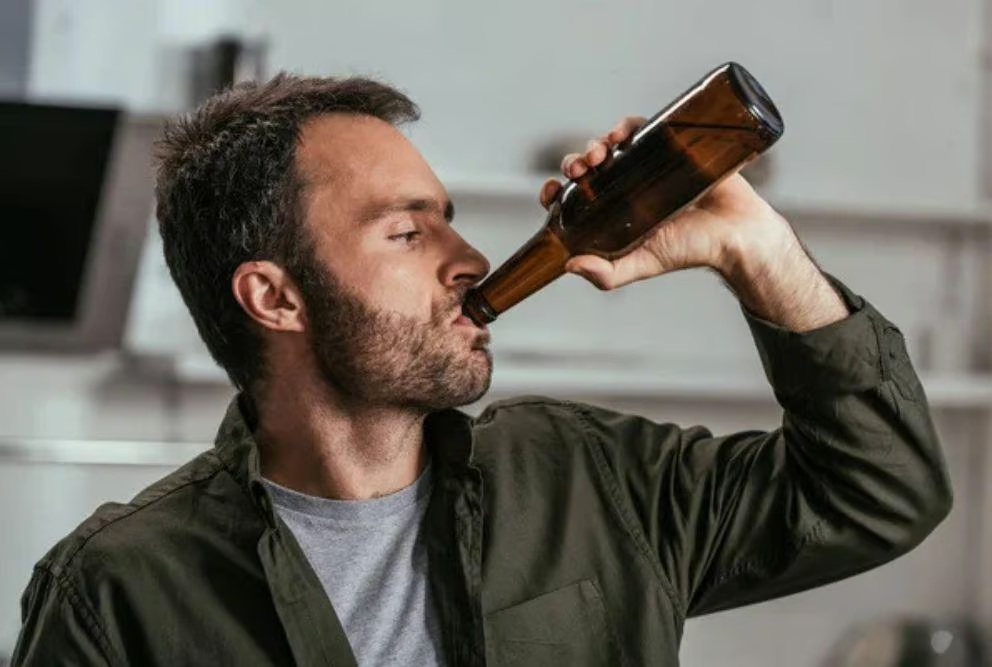
Severe drinking habits can affect physical health, relationships, work performance, and emotional stability faster than most people expect. Many people searching for answers about the best medicine to stop alcohol addiction are also looking for real support, safer treatment options, and a recovery plan that addresses both alcohol dependence and mental health. Reaching out for answers is a courageous step, even when hope feels distant. Learn which medications have been shown to make a real difference, how they work alongside therapy, and what realistic progress can look like so you know what support is truly available and what might be possible for you or your loved one.
Stop Alcohol Addiction with Medical Supervision
Alcohol addiction can lead to withdrawal symptoms, chest pain, rapid heart rate, nausea, vomiting, and other severe reactions that may require immediate medical attention. A treatment plan built around medical supervision helps reduce alcohol cravings, manage alcohol misuse, and support long-term recovery through counseling, medication, and behavioral care. Medications like naltrexone block opioid receptors connected to alcohol cravings, while acamprosate works to stabilize brain function during recovery. For some people, taking disulfiram creates unpleasant effects and an unpleasant reaction when drinking alcohol, making social drinking far less appealing. Learn more about what addiction types we treat and how we can help.
Alcohol Addiction Medication
When looking for the best medicine to stop alcohol addiction, you might feel entirely overwhelmed. Finding the right clinical support is a vital step toward healing. Many people wonder why overcoming addiction feels so incredibly difficult.
It is important to know that alcohol use disorder is a complex medical condition. It fundamentally alters your brain chemistry over time. You are dealing with a recognized physical dependence, not a lack of willpower.
Seeking medical help is an act of profound courage. Yet, medication-assisted treatment Massachusetts remains widely underutilized. Research shows a massive gap in professional care.
In recent years, more than 43,000 American adults were studied for alcohol use disorder. Sadly, only 24 percent received any form of formal treatment. Even fewer accessed clinical medications. Authoritative data indicates overall treatment utilization for these specific FDA-approved drugs is less than 10 percent.
This treatment gap leaves thousands struggling without proper medical tools. Medications are not standalone cures. They are, however, vital resources that stabilize your brain chemistry. When your brain is balanced, you have the mental clarity needed for real recovery.
A dedicated health care provider can evaluate your unique physical needs. They can determine which medication for alcohol addiction will support your healing.
How Naltrexone and Other Drugs to Stop Drinking Work
The journey to recovery often involves finding the right clinical tools. There are three primary FDA-approved drugs to stop drinking. These include Naltrexone, Acamprosate, and Disulfiram.
Each medication addresses alcohol dependence through a completely different biological mechanism. Your medical provider will help you choose the best option for your lifestyle.
Understanding these options empowers you to make informed medical decisions. You and your doctor can review how each medication aligns with your goals. The right choice often depends on your current stage of recovery.
Naltrexone and VIVITROL for Alcohol Dependence
Many people wonder how naltrexone reduces alcohol consumption. This medication works by safely blocking opioid receptors in your brain.
When these receptors are blocked, the euphoric effects of alcohol are neutralized. You no longer experience the typical “buzz” or high. This effectively disrupts the reward cycle of alcohol dependence. Over time, naltrexone for alcoholism significantly reduces physical cravings.
A common concern is taking medication every single day. You might ask, I want to decrease my drinking, but don’t like taking daily pills, could naltrexone still be an option for me? The answer is yes. VIVITROL is an extended-release injectable form of naltrexone. It is administered through monthly injections by a healthcare professional. This monthly dosing format eliminates the stress of daily pill management. It is highly effective for maintaining consistent outpatient adherence.
Acamprosate and Disulfiram Tablets
Acamprosate, often known by the brand name Campral, serves a different purpose. Chronic drinking drastically disrupts your brain chemistry. Acamprosate helps restore the delicate balance between GABA and glutamate pathways. This stabilization is crucial for easing post-acute withdrawal symptoms. It reduces the long-term restlessness and anxiety associated with early sobriety.
Disulfiram, or Antabuse, operates as a strict deterrent against drinking. If you consume alcohol while taking disulfiram, you will become intensely ill.
The medication causes severe nausea, flushing, and rapid heartbeat. This immediate physical reaction discourages any alcohol use. It is typically prescribed for individuals highly motivated to maintain complete abstinence. Overcoming a severe substance use disorder requires the right medical match.
Potential Side Effects and Who Should Avoid Them
When considering new medications, safety is always a top priority. It is completely normal to ask, does naltrexone have side effects? Like any clinical treatment, these medications do carry some potential risks. Most side effects are relatively mild and tend to fade over time.
The most common issues include slight nausea, mild headaches, and occasional dizziness. Some people also report feeling fatigued or experiencing decreased appetite during early treatment.
While rare, severe side effects can occasionally occur. You must understand who should avoid naltrexone to ensure your absolute safety.
Individuals currently using opioid medications cannot take naltrexone. Because it blocks opioid receptors, combining them can trigger severe, sudden withdrawal symptoms. Furthermore, people with acute liver damage or acute hepatitis must avoid this medication. Naltrexone can cause additional stress on an already compromised liver.
Acamprosate and disulfiram also have specific safety profiles to consider. Acamprosate is generally well-tolerated but may cause mild stomach discomfort or diarrhea. Disulfiram is dangerous for individuals with severe heart disease or certain mental health conditions.
You must completely avoid all hidden sources of alcohol when taking disulfiram. This includes avoiding alcohol-based mouthwashes, sauces, and cooking extracts.
Honesty with your primary care provider is absolutely crucial. You must provide a full medical disclosure before starting any new prescription. Tell your care team about all existing conditions and daily medications.
This allows them to monitor your health and adjust dosages safely. A collaborative approach protects the patient and ensures the treatment remains effective. With careful clinical supervision, you can safely navigate these medications.
Combining Medication-Assisted Treatment Alcohol with Behavioral Therapies
Medications provide incredible physical relief during early recovery. However, it is vital to understand that medications do not cure addiction in isolation. They are designed to create the mental space required for true healing. When physical cravings are muted, you can actively engage in therapeutic work. Combining medication-assisted treatment alcohol with robust behavioral therapies offers the best outcomes.
A comprehensive treatment program addresses both the body and the mind. Medical studies evaluate the efficacy of combining pharmacotherapy with structured psychological support. The results clearly show improved retention rates and long-term sobriety.
Cognitive Behavioral Therapy and DBT Programs
Many people entering alcohol and drug rehab Massachusetts struggle with alcohol use disorder, anxiety, depression, and unhealthy drinking habits connected to stress or trauma. Cognitive behavioral therapy Massachusetts helps patients identify triggers tied to alcohol cravings, alcohol related problems, and self destructive behavior patterns. DBT programs Massachusetts focus on emotional regulation, distress tolerance, and healthier coping strategies during addiction recovery.
Medication-Assisted Treatment and Craving Management
Medication-assisted treatment Massachusetts may include taking naltrexone, acamprosate, or other medications that help reduce cravings and support recovery from alcohol dependence. Naltrexone blocks opioid receptors associated with pleasure and reward, helping many patients reduce drinking and avoid relapse during the recovery journey.
Medical providers, nurse practitioners, and care teams evaluate health conditions, liver damage concerns, opioid use disorder history, and other medical conditions before prescribing medication.
Motivational Interviewing and Family Therapy
Motivational interviewing for substance abuse helps patients explore the reasons behind alcohol misuse while building confidence toward change. Family therapy gives family members a chance to repair communication, discuss alcohol related problems, and strengthen support services during treatment. Brief intervention strategies, counseling, and structured therapy sessions often help people move toward healthier habits and long-term recovery.
Internal Family Systems Therapy and Emotional Recovery
Internal family systems therapy for addictions focuses on emotional wounds, unresolved trauma, and behaviors connected to alcohol addiction or heavy drinking. This treatment approach can help patients process shame, self-criticism, and emotional pain that fuels alcohol use.
Combined with counseling and medical support, therapy often becomes an important first step toward rebuilding stability and recovery.
Moderation Management and Holistic Recovery Support
Some patients begin treatment with moderation management strategies while evaluating their relationship with alcohol use and drinking habits. Therapy, counseling, nutrition support, and stress management can help reduce drinking while supporting better physical and emotional health. For many people, combining holistic care with medical treatment creates stronger recovery outcomes and improved quality of life.
Detox and Residential Treatment Referrals
Alcohol withdrawal symptoms can become dangerous without medical supervision, especially for people experiencing severe withdrawal, chest pain, rapid heart rate, or trouble sleeping. Elevate Recovery Center can help connect patients with trusted alcohol and drug detox Massachusetts and inpatient rehab Massachusetts partner facilities when a higher level of care is needed. Detox support helps manage withdrawal symptoms safely before transitioning into ongoing treatment and counseling.
Partial Hospitalization and Intensive Outpatient Care
Partial hospitalization program Massachusetts services provide structured treatment during the day while allowing patients to return home at night. Intensive outpatient program Massachusetts care offers therapy, medication support, counseling, and recovery planning several times per week for those balancing work, family, or other responsibilities. These treatment options help patients address alcohol dependence, mental health conditions, and addiction recovery without full residential care.
Dual diagnosis treatment centers Massachusetts focus on both alcohol addiction and co-occurring mental health disorders like anxiety, depression, or trauma. A strong care provider team can help patients manage cravings, improve coping skills, and strengthen long-term recovery goals.

Finding Help in Massachusetts
Taking the next step toward recovery requires accurate information and supportive guidance. Massachusetts offers an incredible network of addiction specialists and medical facilities. If you are exploring alcohol addiction medication, your first conversation should be with a doctor. A qualified health care provider will help you build a personalized strategy.
To make the most of your appointment, prepare a checklist of questions. The recommended questions for patients to ask addiction specialists provide a great starting point. Consider bringing this list to your primary care provider:
- How do I know if medication is right for me?
- What should I watch for while using this medication?
- What are the specific risks given my medical history?
- Should I pursue an intensive outpatient program alongside my prescription?
- What happens if the first medication does not work well?
Our alcohol and drug rehab Massachusetts stands as a premier provider for those seeking profound change. We specialize in helping clients transition smoothly from intensive residential care. We also support individuals who require structured guidance while maintaining their daily careers. Our evidence-based approach seamlessly integrates clinical medications with high-quality therapeutic programming.
Find a Solution to Your Alcohol Problem
Finding the best medicine to stop alcohol addiction is a highly personal, medical process. It requires honesty, courage, and the willingness to ask for clinical help. When paired with structured group counseling and behavioral therapy, your chances of success multiply.
Medications give your brain the vital rest it needs to fully engage in emotional healing. You have the power to break the cycle of dependence.
If you are ready to explore structured, compassionate care, Elevate Recovery Center is here to support you. Our specialized team understands the complexities of transitioning into a stable outpatient lifestyle. We can help you navigate medications, therapy, and lasting behavioral change.
Please contact us here or call our dedicated admissions team at (877) 592-2102 to discuss your specific needs. Read our reviews to gain more insight. Reach out today to schedule a confidential assessment and begin building your personalized recovery strategy.
Sources
- U.S. National Library of Medicine. (June 16, 2021). Use of medications for alcohol use disorder in the US. PubMed Central.
- Substance Abuse and Mental Health Services Administration. (August 25, 2025). Treatment options for substance use disorder. SAMHSA.
- Boston University School of Public Health. (March 14, 2025). Hospitalized patients who receive alcohol use disorder treatment can substantially reduce heavy drinking. Boston University School of Public Health.
- U.S. National Library of Medicine. (October 13, 2019). Adherence across FDA-approved medications for alcohol use disorder. PubMed Central.
- U.S. National Library of Medicine. (August 26, 2024). Medications for alcohol use disorder: Rates and predictors. PubMed Central.
- Agency for Healthcare Research and Quality. Overview of medications used in the treatment of alcohol use disorder. Agency for Healthcare Research and Quality.
- U.S. National Library of Medicine. (May 30, 2023). Naltrexone. NCBI Bookshelf.
- University of California Los Angeles. Naltrexone for the treatment of alcoholism: Clinical findings, mechanisms of action, and pharmacogenetics. UCLA Department of Psychiatry and Biobehavioral Sciences.
- U.S. National Library of Medicine. Naltrexone: A review of its pharmacodynamic and pharmacokinetic properties and therapeutic efficacy. PubMed.
- University of Arkansas for Medical Sciences. What is naltrexone?. UAMS Psychiatric Research Institute.
- Defense Health Agency. (April 26, 2021). Naltrexone for alcohol use disorder. Psychological Health Center of Excellence.
- U.S. National Library of Medicine. (April 12, 2019). Extended-release vs oral naltrexone for alcohol dependence treatment. PubMed Central.
- U.S. National Library of Medicine. (May 18, 2021). Monitoring and improving naltrexone adherence in patients with alcohol use disorder. PubMed Central.
- U.S. National Library of Medicine. Improved strategies for outpatient opioid detoxification. ClinicalTrials.gov.
- U.S. National Library of Medicine. (October 15, 2017). Naltrexone. MedlinePlus.
- U.S. National Library of Medicine. (April 14, 2021). Adverse drug reactions with naltrexone. PubMed Central.
- United States Coast Guard Academy. (July 10, 2023). Common disqualifying medical conditions. United States Coast Guard Academy.
- U.S. Department of Health and Human Services. Marketplace health plans cover pre-existing conditions. Centers for Medicare & Medicaid Services.
- U.S. Department of Health and Human Services. (March 17, 2022). Pre-existing conditions. U.S. Department of Health and Human Services.
- U.S. National Library of Medicine. (January 1, 2024). Outcomes of adding cognitive behavioral therapy to medication-assisted treatment for opioid use disorder. PubMed.
- U.S. National Library of Medicine. (June 19, 2020). Combined pharmacotherapy and cognitive behavioral therapy for alcohol and other substance use disorders. PubMed Central.
- Assistant Secretary for Planning and Evaluation. Psychosocial supports in medication-assisted treatment. U.S. Department of Health and Human Services.
- U.S. National Library of Medicine. (June 1, 2014). Substance abuse intensive outpatient programs: Assessing the evidence. PubMed Central.
- National Institute on Alcohol Abuse and Alcoholism. (May 8, 2025). Recommend evidence-based treatment: Know the options. National Institute on Alcohol Abuse and Alcoholism.
- U.S. National Library of Medicine. (November 18, 2025). Alcohol use disorder (AUD) treatment. MedlinePlus.
- National Institute on Alcohol Abuse and Alcoholism. (April 28, 2023). Q&As for doctors with addiction specialties. National Institute on Alcohol Abuse and Alcoholism.
- Commonwealth of Massachusetts. Substance addiction services descriptions. Mass.gov.