
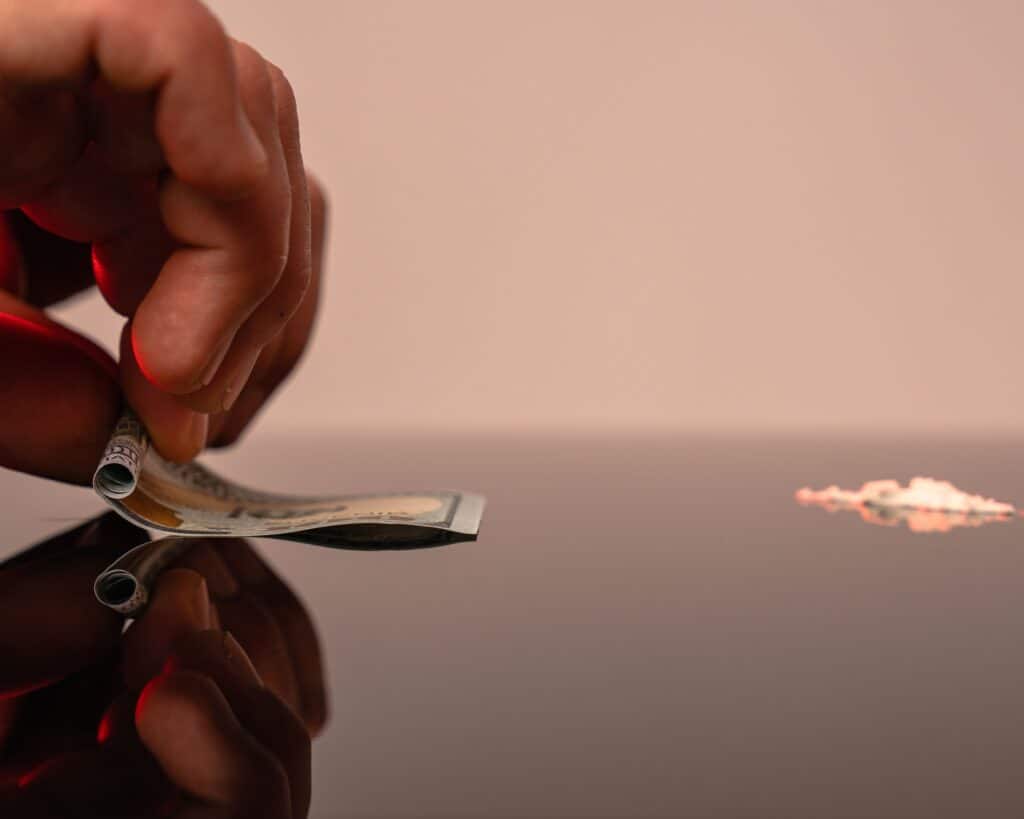
For many people, hearing about an “8 ball” brings up vague associations without fully understanding what it means. In the context of drug use, this slang term refers to a specific quantity of cocaine—3.5 grams, to be exact. The 8 ball of cocaine is a commonly sold amount on the street, small enough for personal use but large enough to raise serious legal and health concerns.
Cocaine costs: What to expect when buying an 8 ball of coke
The cocaine cost for an 8 ball usually ranges between $100 and $250 across most U.S. cities. Factors like location, purity, and supply can push that range higher or lower. In some cases, you may hear of a price as low as $60 or as high as $380, especially when street prices are influenced by high demand or increased law enforcement activity in the area.
Average prices in the U.S.
In urban centers where drug availability is high, the street price of an 8 ball of cocaine often hovers around $150 to $200. In rural or remote areas, where drug dealers take on more risk to transport and sell cocaine, the coke cost can climb.
Global comparison
In South America, where the coca plant is grown and processed, the cocaine cost for an 8 ball is considerably lower. In countries like Colombia or Peru, the same quantity might cost under $50 due to proximity to production and less markup from trafficking. That changes significantly once the product enters North America or Europe, where higher prices reflect transportation, dilution with other substances, and black-market demand.
Cocaine affects pricing: Purity, cutting agents, and supply shifts
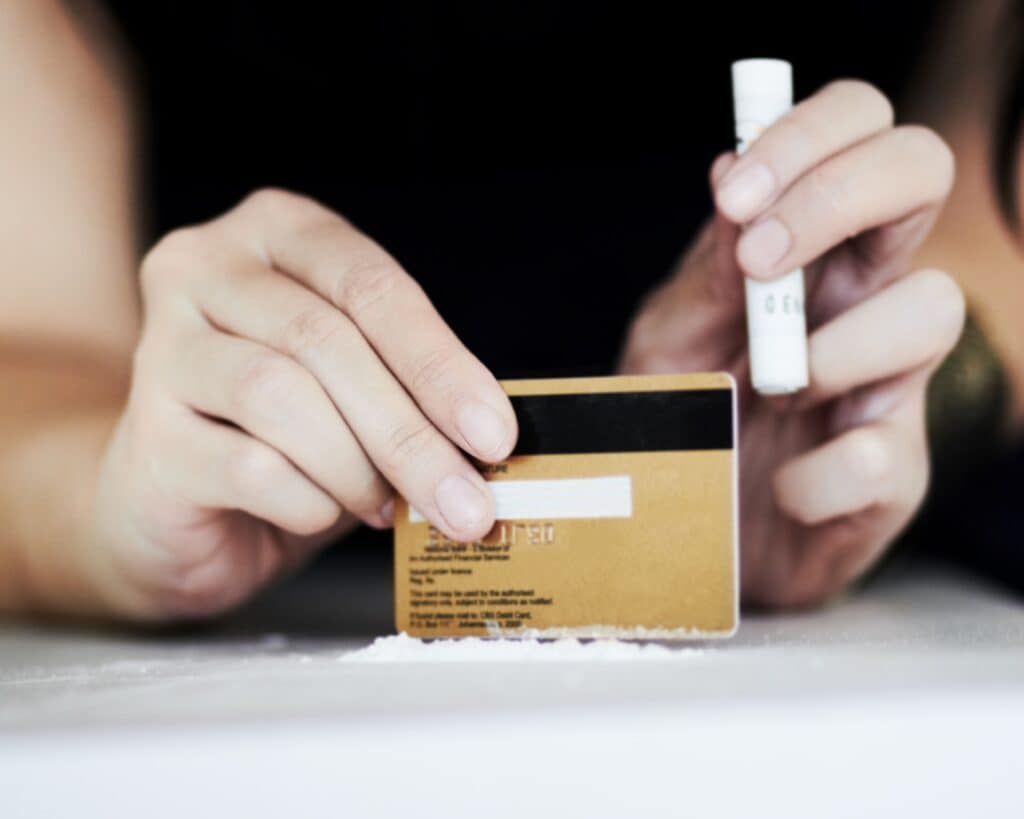
Purity has a major influence on cocaine prices. High-quality, pure cocaine commands a premium because users seek a more intense and longer-lasting effect. When mixed with baking soda, baby laxatives, or anesthetics, the price often drops, but so does the experience—and the safety.
In recent years, the market dynamics around cocaine have shifted. Fluctuations in smuggling routes, local crackdowns, and global events can cause coke costs to rise or fall suddenly.
What does an 8 ball of cocaine look like?
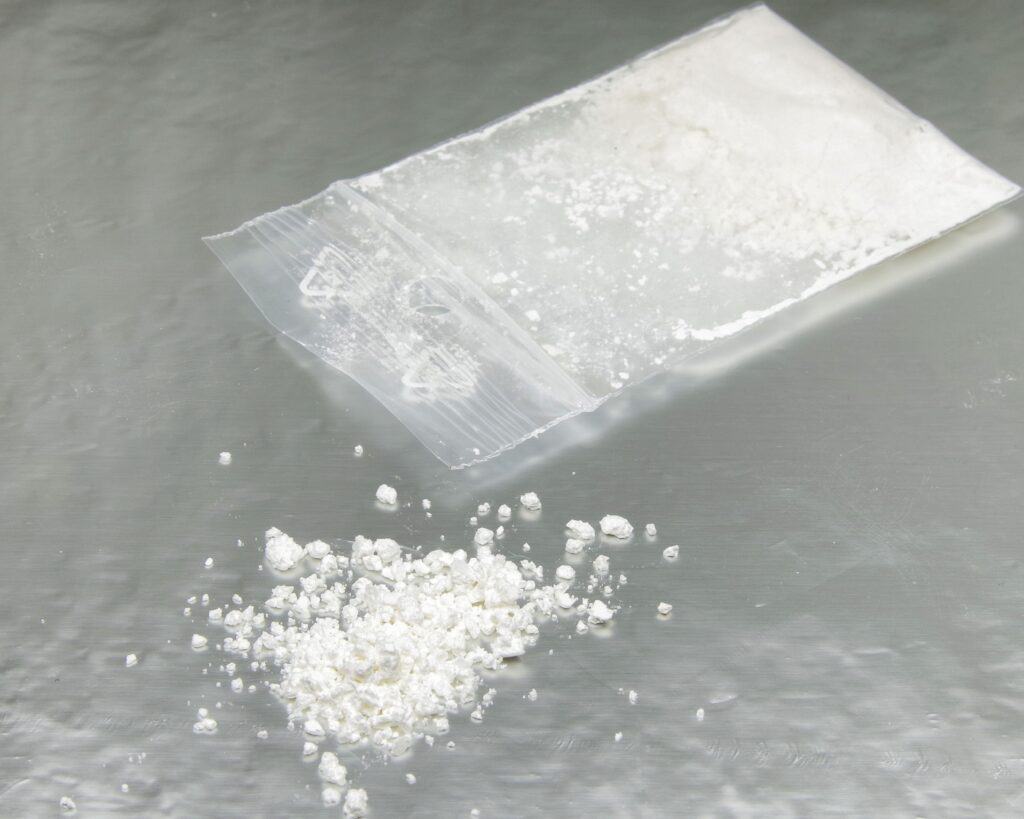
An 8 ball of cocaine is typically packaged in plastic wrap, small zip bags, or foil, designed to be discreet and easy to hide. Its appearance depends on form and purity.
Powdered form
Most often, an 8 ball appears as a few grams of fine white powder, though color can range from bright white to yellowish depending on how many other drugs or fillers are mixed in. Some users refer to this as white powder cocaine.
Crack form
Though less common, an 8 ball may also refer to crack cocaine. This type comes in small, brittle rocks with a shiny or waxy coating and is smoked rather than snorted. Regardless of form, both types can lead to cocaine addiction and lasting damage.
Chemical composition and risks of using an 8 ball
What makes cocaine so dangerous is how it interacts with the brain. Its chemical composition stimulates the brain’s reward system, increasing dopamine and reinforcing compulsive cocaine use. This effect is part of why cocaine abuse and dependency can happen quickly, even after just a few uses.
Short-term effects
Using an 8 ball of cocaine can cause feelings of increased energy, alertness, and euphoria. But these are short-lived. They’re often followed by anxiety, paranoia, or a mental crash that pushes many into repeated use. It also causes a spike in blood pressure, heart rate, and body temperature, which increases the chance of chest pain or cardiac arrest.
Long-term health issues
Chronic use of cocaine damages the heart, liver, and brain. It can also lead to mood disorders, memory loss, and a higher risk of stroke. As tolerance builds, users often take larger quantities to feel the same high, which puts them at greater risk of a cocaine overdose.
Cocaine overdose and withdrawal symptoms
An 8 ball of coke may not seem like a large amount, but when used in one sitting or over a short period, it dramatically raises the risk of a cocaine overdose. Signs include tremors, seizures, chest pain, and loss of consciousness.
Once someone becomes dependent, cocaine withdrawal sets in quickly if use stops. While not always physically dangerous, symptoms include fatigue, depression, irritability, and intense cravings. These withdrawal symptoms often lead to relapse without the right support.
Legal consequences of cocaine possession
Possessing cocaine, especially an 8 ball, comes with serious legal consequences. In the United States, cocaine is classified as a Schedule II controlled substance. Even a small amount like an 8 ball of cocaine can lead to felony charges, fines, and jail time.
State and federal penalties
Penalties vary by state but often include mandatory minimum sentences, particularly for repeat offenses. In some states, possessing cocaine in larger quantities or with intent to distribute carries decades of prison time and fines that can exceed $100,000.

Cocaine addiction: Recognizing the signs and getting help
Cocaine addiction doesn’t always look the same. Some people binge over a weekend, while others use daily to stay awake, alert, or numb. But over time, the drug rewires the brain’s normal function, creating a cycle that can be hard to break.
It often co-occurs with substance use disorder, where cocaine use exists alongside alcohol or other drugs, making recovery more complex. But even long-term users can find freedom through the right treatment options and ongoing emotional support.
Addiction treatment for cocaine abuse
The best addiction treatment for cocaine use disorders includes a combination of detox, counseling, and behavioral therapy. This combination helps people not just stop using but also repair what’s been damaged in their relationships, health, and identity.
Medical interventions
Detoxing from cocaine doesn’t always require hospitalization, but in severe cases, medical interventions may be necessary to manage mental health crises, suicidal thoughts, or extreme cravings. These interventions can ease the transition into long-term care and reduce the risk of relapse during the most vulnerable stage of quitting cocaine.
Behavioral therapies
Effective behavioral therapies like cognitive behavioral therapy (CBT) and contingency management help individuals rebuild healthy habits and develop coping strategies that address triggers and cravings. Group therapy and one-on-one counseling can both be part of this process.
Rehabilitation programs
Structured rehabilitation programs—whether inpatient or outpatient—provide accountability, support, and education. They also offer access to support groups, relapse prevention planning, and help with reintegration into daily life. For many, this is where true recovery begins.

Support groups and long-term recovery
A solid support system is a vital part of the recovery process. Whether it’s 12-step meetings, support groups like SMART Recovery, or informal circles of friends and family, ongoing connection helps maintain progress.
Family and peer involvement
Family and friends who provide emotional support can make all the difference. They can attend sessions, participate in family therapy, or simply be a safe person to talk to. In some treatment models, loved ones are actively involved in healing, too.
True Self Recovery
For those looking for a compassionate, structured path toward recovery, True Self Recovery and other high-quality providers offer the kind of environment where people can get their lives back on track with dignity and personalized care.
How an 8 ball of cocaine fits into the global and local drug trade
The 8 ball of cocaine has become a standard unit in the street drug market, and its role in the larger supply chain offers insight into why prices fluctuate and risks remain high. For many drug dealers, an 8 ball of coke provides a manageable quantity to sell quickly while avoiding the attention that comes with trafficking larger amounts. Yet even at this scale, it fuels the same cycle of substance abuse and addiction seen with bulk distribution.
Much of the world’s cocaine still originates from the coca plant grown in South America. Over the past decade, shifting trafficking routes and changing purity levels have altered per gram pricing worldwide. Increases in purity or potency can significantly increase the dangers to users, raising the likelihood of cocaine toxicity and contributing to rising rates of drug overdose deaths.
The 8 ball of cocaine is often cut with other substances to stretch supply, some of which are themselves dangerous substances. These additives can intensify the harm caused by cocaine and make predicting dosage more difficult. Some users turn to cheaper alternatives, yet even those come with severe risks.
For many, the 8 ball of coke is their introduction to regular substance use, which can lead to long term cocaine dependence and a heightened risk of fatal overdose. Its continued presence in local markets underscores the need for education, prevention, and early intervention as an important component in addressing the broader public health impact of cocaine distribution.
Get Help Now
An “8 ball” of cocaine may be a common street term, but the consequences go far beyond cost. Cocaine use can cause serious physical and mental health issues, legal problems, and increasing difficulty stopping over time. The longer use continues, the greater the risks.
If you or a loved one is struggling with cocaine or other substances, help is available. Don’t wait for the situation to worsen—explore professional treatment at Elevate Recovery, speak with a qualified counselor, or connect with a trusted support group. Taking action today can be the first step toward safety, stability, and lasting recovery.