











Medication-Assisted Treatment for a Heroin Addiction
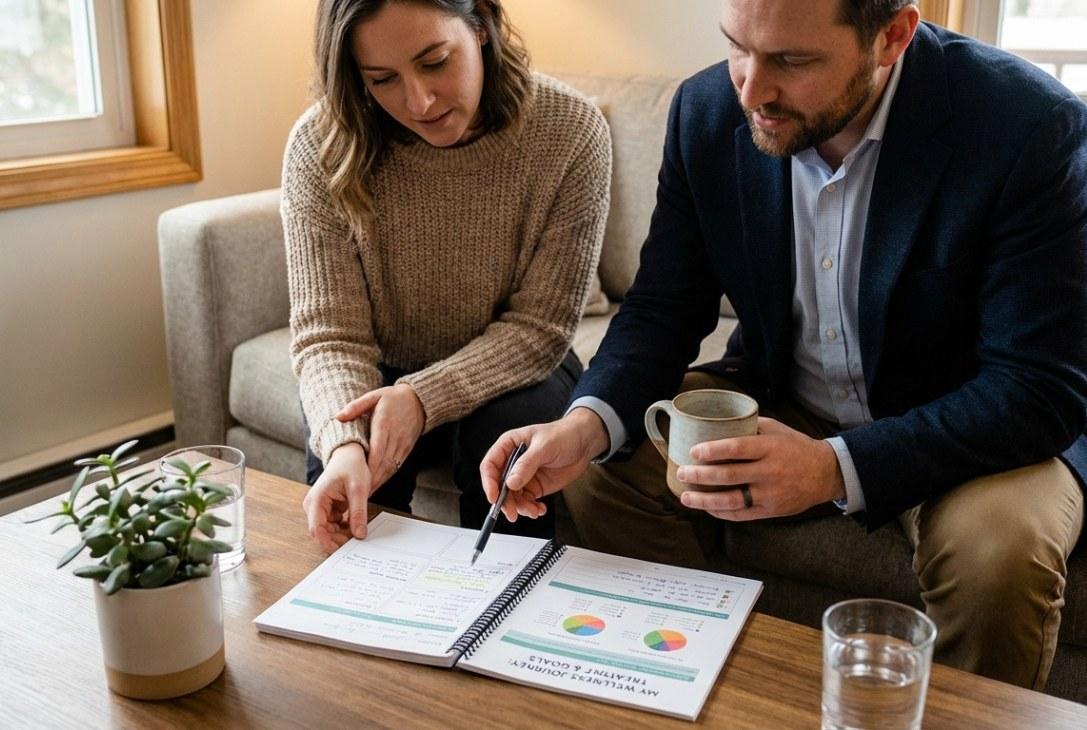
Medication assisted treatment Massachusetts uses FDA-approved medications to reduce cravings and ease withdrawal symptoms. Medications like buprenorphine and naltrexone are combined with counseling for a comprehensive approach. This combination addresses both the physical and psychological sides of heroin dependence. Treatment teams determine the right medication protocol based on each client’s history and needs. Learn more about the full range of addiction types treated at Elevate Recovery.
Heroin Addiction and Massachusetts Resources
Heroin addiction is a complex, chronic condition that changes how the brain functions. It creates an urgent need for professional intervention.
You cannot simply overpower a physical dependency through willpower alone. Taking action quickly can save a life and begin the healing process.
The state of Massachusetts has built a strong, accessible treatment infrastructure to help families navigate this crisis. In fact, a recent report from the Massachusetts Department of Public Health showed a 10 percent decline in opioid-related overdose deaths in 2023. This decline proves that accessible, structured treatment truly works.
Finding the right heroin addiction treatment Massachusetts relies on using the best local resources. The Bureau of Substance Addiction Services plays a vital role in this network. This state agency oversees funding, licensing, and access to care for anyone struggling with a chemical dependency. They ensure that facilities maintain the highest clinical standards for patient safety.
When dealing with substance use disorders, understanding your options is the first critical step. Many people feel overwhelmed by the intense physical and emotional grip of opioids. However, structured clinical support offers a highly effective, manageable way to transition from active addiction back into daily life. This level of care bridges the gap between early recovery and long-term wellness.
Structured outpatient care provides a safe space to practice new coping skills. It allows you to step down from a residential stay without losing essential therapeutic support. Professional addiction treatment empowers you to rebuild your life with clinical guidance at your side.
TOUR OUR ADDICTION TREATMENT CENTER IN MASSACHUSETTS
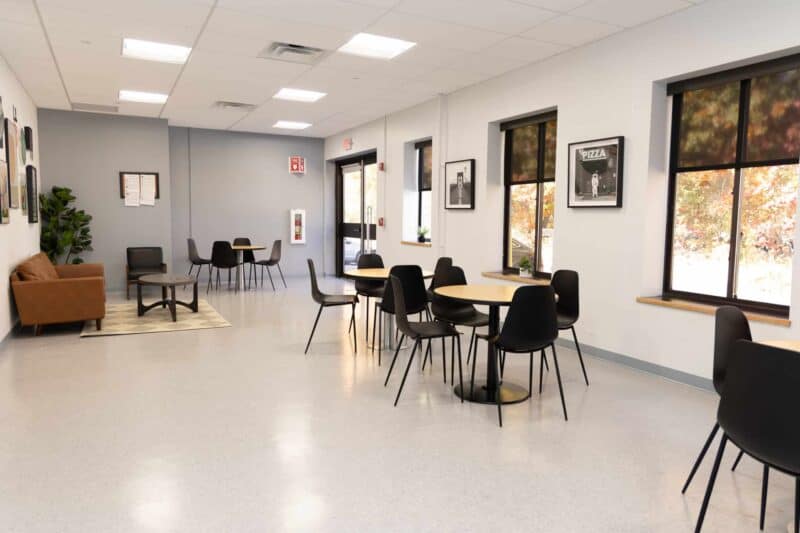
Are you looking for mental health or addiction treatment in Massachusetts? Take the first step toward recovery by exploring our rehab with a personal tour. At Elevate Recovery Center, we specialize in comprehensive mental health and substance abuse treatment for men and women.
Schedule a Tour(877) 592-2102Outpatient Options for a Heroin Addiction Treatment Program Massachusetts
Recovery follows a careful continuum of care. Medical detox is often the necessary first step, but long-term success relies on continued therapeutic support.
Completing detox safely clears substances from your body, but outpatient programs do the heavy lifting of behavioral change. Finding the right heroin addiction treatment program Massachusetts ensures you have guidance as you reintegrate into your community.
| Program Level | Time Commitment | Best For |
|---|---|---|
| Partial Hospitalization Program (PHP) | 5 to 6 hours daily, 5 days a week | Full-day structure for intensive stabilization |
| Intensive Outpatient Program (IOP) | 3 to 4 hours daily, 3 to 5 days a week | Half-day structure for working adults |
Outpatient treatment answers a vital question for many families. People often wonder where addiction treatment is located in our state. The reality is that outpatient centers are designed for community-based accessibility. This allows you to receive high-level care without leaving your home or family for months.
Medically Monitored Detox
Before starting outpatient care, a medically monitored detox is usually required at a partner facility. This phase ensures your physical stabilization under 24/7 medical supervision. Detox manages the intense withdrawal symptoms safely and comfortably. Once your body is physically stable, the deep clinical work of Therapy can truly begin.
Partial Hospitalization and Intensive Outpatient Programs
PHP and IOP provide structured treatment while allowing clients to live at home or in sober living. The intensive outpatient program Massachusetts offers flexible scheduling to fit work and family commitments. These programs are ideal for clients transitioning out of inpatient care or those with moderate addiction severity.
Outpatient Rehab
Outpatient rehab Massachusetts is the least intensive level of care and suits those with strong home support systems. Sessions focus on relapse prevention, coping skills, and maintaining progress. This level of care supports clients as they reintegrate into daily life.
Why Choose Elevate Recovery for Dual Diagnosis Treatment
Substance use rarely happens in a vacuum. It often overlaps with depression, anxiety, or trauma. Dual diagnosis treatment addresses both addiction and co-occurring mental health conditions simultaneously.
Treating only the addiction leaves the underlying emotional pain untouched, which drastically increases the risk of relapse. Elevate Recovery specializes in treating these deeply intertwined conditions.
Our programs are designed with profound flexibility. They serve working adults and those transitioning out of 30-day residential programs.
We know that stepping back into your daily routine can feel overwhelming. Our structured schedule allows you to maintain your career while prioritizing your health.
We rely on evidence-based modalities to guide your healing. Cognitive behavioral therapy Massachusetts helps clients identify and change harmful thought patterns. This evidence-based therapy is highly effective for both addiction and mood disorders. It builds practical coping skills that support relapse prevention in daily life.
DBT programs Massachusetts teach emotional regulation, distress tolerance, and interpersonal effectiveness. Dialectical behavior therapy is especially helpful for clients with co-occurring borderline personality disorder or trauma. Skills learned in DBT sessions translate directly into real-world situations.
It is important to remember that individual results will vary. Recovery is a deeply personal process that requires honest effort and time. However, our dual diagnosis treatment centers Massachusetts provide the expert tools you need to succeed.

We Accept Most Insurance
Cost Breakdown for Substance Abuse Treatment in Massachusetts
Many people avoid getting help because they worry about the financial impact. A very common question is about the cost of rehab in Massachusetts.
Without insurance coverage, intensive programs can range from 350 to 800 dollars per day. However, paying out-of-pocket is rarely the only option available to you.
Massachusetts boasts incredible access to funded care. Approximately 77 percent of addiction treatment centers in the state accept private health insurance.
Furthermore, about 80 percent of facilities accept Medicaid. Federal laws require insurance plans to provide parity for mental health and substance use disorder treatments. This means your coverage for behavioral health must mirror your medical benefits.
Most treatment centers work closely with major insurance providers to minimize your out-of-pocket expenses. Whether you carry a BCBS alcohol rehab policy or use Tufts Health Plan, coverage is likely available. Copays and deductibles will dictate your specific final costs.
At Elevate Recovery, our admissions team handles the confusing paperwork for you. We strongly encourage you to verify insurance specific to your plan rather than assuming the cost is out of reach. We will review your benefits and explain exactly what is covered before you begin.
What to Expect in Heroin Addiction Recovery
Taking the first steps into treatment is a profound act of courage. Your Recovery Journey is an opportunity to reclaim your life, your relationships, and your potential.
The first 90 days of outpatient care are intensely focused on stabilization. Supported by our alcohol and drug rehab Massachusetts, you can build a vibrant, grounded lifestyle that honors your mental health.
To maintain your momentum, you will need to focus on a few vital daily practices.
Your early recovery checklist includes the following:
- Attending all scheduled therapy sessions consistently
- Building a sober community and peer network
- Identifying your personal triggers and stressors
- Establishing a healthy sleep and nutrition routine
- Engaging openly in group and individual counseling
People often ask if Massachusetts rehab centers treat alcohol and drug addiction together. Elevate Recovery utilizes a comprehensive approach to all types of substance abuse.
We treat the whole person, not just the specific chemical dependency. You will learn to navigate the roots of your pain alongside peers who truly understand.
A strong support system in recovery changes everything. You do not have to carry this heavy burden entirely on your own shoulders anymore.

We understand that getting help for addiction can be challenging. Start with a free addiction assessment today.
Frequently Asked Questions
How long does heroin addiction treatment program Massachusetts typically last?
Treatment length depends on the severity of the addiction and any co-occurring mental health conditions. Many clients begin with detox and inpatient care before stepping down to outpatient programs over several months. Individualized treatment plans are designed to support each client through every stage of recovery.
Does insurance cover heroin addiction treatment in Massachusetts?
Most major insurance plans cover some level of addiction treatment under the Mental Health Parity and Addiction Equity Act. Coverage varies depending on the plan, the level of care, and whether the facility is in-network. It is recommended to contact the treatment center directly to verify benefits before starting treatment.
What role does family play in heroin addiction treatment?
Family members can be a powerful source of support during treatment and recovery. Many programs incorporate family therapy to address relationship dynamics that may contribute to substance abuse problems. Involving the family unit helps create a more stable home environment for long-term sobriety.
Are holistic therapies effective for heroin addiction?
Yes, holistic therapies like art therapy and outdoor activities are used alongside clinical treatments to support whole-person healing. These approaches help clients manage stress, process emotions, and build healthy routines. When combined with evidence-based therapies, holistic care improves overall treatment outcomes.
What is the difference between PHP and IOP for heroin addiction treatment?
A partial hospitalization program (PHP) is a more intensive outpatient option, typically meeting five days a week for several hours per day. An intensive outpatient program (IOP) meets less frequently and is better suited for clients who have completed PHP or have a strong support system at home. Both levels of care include therapy, relapse prevention, and support groups to reinforce addiction recovery skills.
Key Takeaways
- Heroin is a potent opioid derived from morphine with serious health risks, but recovery from addiction is possible with the right support.
- Elevate Recovery in Massachusetts offers accredited, evidence-based treatment for heroin addiction, creating individualized plans for each client.
- The treatment approach is holistic, involving the family in the recovery process to ensure lasting healing beyond just treating substance abuse.
Lasting Healing Is Possible for a Heroin Addiction
Recovery from heroin addiction is possible, and Elevate Recovery is here to help. Our Massachusetts addiction treatment center is Joint Commission accredited and dedicated to delivering compassionate, evidence-based care in a nurturing environment.
We work with the whole person and the family unit, because lasting healing requires more than treating substance abuse problems in isolation. Family members are welcomed as part of the treatment and recovery process, and individualized treatment plans ensure every client receives the care they need.
Reach out today through our contact us page, call us at (877) 592-2102, or find us on Google to learn more about our heroin addiction treatment program Massachusetts.
View Article References
Massachusetts Department of Public Health. (June 12, 2024). Dph report: Massachusetts opioid-related overdose deaths decreased 10 percent in 2023. Mass.gov.
Substance Abuse and Mental Health Services Administration. Estimated prevalence of opioid use disorder in Massachusetts. Public Health Reports.
Massachusetts Department of Public Health. (May 2, 2020). Bureau of substance addiction services (BSAS). Mass.gov.
Massachusetts Department of Substance Abuse Services. (August 27, 2025). Partial hospitalization programs, intensive outpatient programs, and day treatment programs clarification. Mass.gov.
Center for Substance Abuse Treatment. Chapter 3. Intensive outpatient treatment and the continuum of care. National Center for Biotechnology Information.
National Association of Addiction Treatment Providers. Levels of care. NAATP.
Substance Abuse. (October 18, 2025). Cognitive behavioural therapy and dual diagnosis. NCBI.
Primary Care Companion to the Journal of Clinical Psychiatry. (November 15, 2004). Behavioral therapies for co-occurring substance use and mood disorders. NCBI.
Centers for Medicare & Medicaid Services. (March 13, 2026). The mental health parity and addiction equity act (MHPAEA). CMS.gov.
Centers for Medicare & Medicaid Services. Mental health and substance abuse coverage. HealthCare.gov.
U.S. Department of Veterans Affairs. (March 19, 2025). Reducing relapse risk. VA.gov.
National Center for Biotechnology Information. (July 21, 2023). Addiction relapse prevention. StatPearls.