












The Cycle of Alcohol Addiction
Overcoming alcoholism begins with understanding that addiction is not a moral failing. It is a recognized medical condition rooted deeply in your brain chemistry. When you drink heavily over time, your brain adapts to the constant presence of alcohol, and breaking that pattern usually takes structured alcoholism treatment rather than willpower alone.
The Three Stages of the Addiction Cycle
Alcohol addiction often develops through a repeating cycle that can gradually affect drinking habits, emotional well-being, and overall alcohol consumption. Understanding these stages can make it easier to recognize patterns and see why support can play an important role in overcoming addiction.
1. Binge or Intoxication
During this stage, alcohol activates the brain’s reward system and increases dopamine signaling. Over time, the brain can begin associating drinking with pleasure, relief, or comfort. These learned associations may make it easier to start drinking in response to certain emotions, situations, or routines and harder to change established drinking habits.
2. Negative Affect or Withdrawal
The second stage begins as alcohol leaves the body. For someone who has developed physical dependence, this can lead to alcohol withdrawal and a range of uncomfortable withdrawal symptoms.
Common alcohol withdrawal symptoms may include:
- Anxiety or irritability
- Trouble sleeping
- Sweating
- Tremors
- Nausea
- Restlessness
- Craving alcohol
This stage may also involve hyperkatifeia, or an increased sensitivity to emotional distress. When alcohol temporarily relieves that discomfort, it can reinforce the urge to drink again and keep the cycle going.
3. Preoccupation or Anticipation
In the final stage, thoughts about alcohol, triggers, and opportunities to drink can become increasingly difficult to ignore. Changes in brain systems involved in reward, stress, and decision-making may make cravings harder to manage without support.
Developing stronger coping skills, managing stress, and following an individualized treatment plan can help interrupt this cycle. These strategies can also support a more stable recovery journey and make long-term changes feel more manageable.
TOUR OUR ADDICTION TREATMENT CENTER IN MASSACHUSETTS
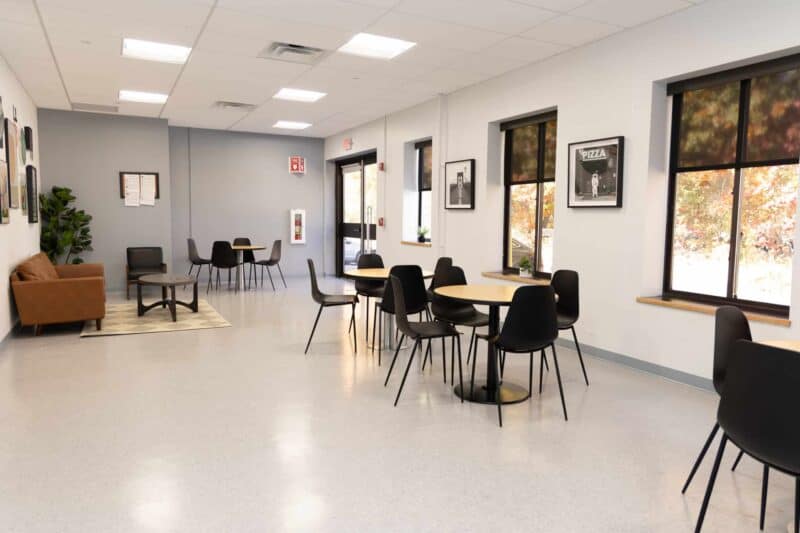
Are you looking for mental health or addiction treatment in Massachusetts? Take the first step toward recovery by exploring our rehab with a personal tour. At Elevate Recovery Center, we specialize in comprehensive mental health and substance abuse treatment for men and women.
Schedule a Tour(877) 592-2102Why Alcohol Use Disorder Is So Serious
The physical and mental tolls of alcohol use disorder can become increasingly serious over time. Heavy drinking can damage vital organs and worsen underlying mental health conditions. Research also suggests that alcohol use during adolescence may interfere with brain development and increase the risk of developing alcohol use disorder later in life. These are serious health concerns that deserve clinical care and compassion. Research on the brain mechanisms involved in addiction also helps explain how changes in reward, stress, and withdrawal systems can reinforce compulsive alcohol use.
Overcoming Alcoholism Addiction: Steps to Get Started
When you ask yourself how to stop drinking, the path ahead can feel overwhelming. However, breaking the process down into manageable actions makes overcoming alcoholism addiction truly possible. Each step below builds on the last, and you do not have to complete them perfectly or on your own. A structured outpatient team can help you work through them at a realistic pace, so here is a guided approach to help you begin.
- Acknowledge the need for change. Admitting that alcohol is causing harm is a brave and necessary first step.
- Assess your drinking patterns. Track how much you drink each day to understand your starting point.
- Set a clear goal. Decide on a specific date to stop drinking completely or reduce your intake.
- Remove all alcohol. Clear your home of any alcoholic beverages to eliminate easy temptations.
- Identify your drinking triggers. Note the times, places, and emotions that make you crave a drink.
- Build a strong support network. Tell trusted friends or family members about your firm decision to quit.
- Find healthy alternatives. Replace your usual drinking time with engaging hobbies, exercise, or community events.
- Consult a medical professional. Always seek clinical advice before quitting cold turkey to ensure your physical safety.
Please remember that self-managed detoxification is incredibly dangerous. Suddenly stopping alcohol can trigger severe physical reactions, including life-threatening seizures and delirium tremens. You must have a professional withdrawal plan in place before you stop drinking. For your absolute safety, arrange medically supervised withdrawal with a qualified physician before moving into structured outpatient treatment.
Speak to a Licensed Therapist or Doctor
The safest first move is to schedule a consultation before you stop drinking. A licensed therapist or medical doctor can thoroughly evaluate your physical dependence, mental health needs, and medical history. This evaluation determines whether you need medically supervised withdrawal first, and then how to transition into structured outpatient counseling with a clinical team.
Alcohol Addiction Treatment Options at Elevate Recovery
Treatment for alcohol use disorder should reflect where you are in recovery, the level of support you need, and the responsibilities you need to manage outside of treatment. At Elevate Recovery, we take an individualized approach to alcohol addiction treatment, helping each person find an appropriate level of structure while building the skills needed for long-term recovery.
Levels of Care for Alcohol Addiction
For people who are ready for outpatient care, Elevate offers a continuum that can adjust as recovery needs change.
| Level of Care | What It Looks Like | Who It May Help |
|---|---|---|
| Full Day Treatment (PHP) | Several hours of structured treatment during the day, with clients returning home afterward | People who need a high level of clinical structure without overnight care |
| Half Day Treatment (IOP) | Treatment several times throughout the week with greater flexibility | People balancing recovery with work, school, or family responsibilities |
| Standard Outpatient Treatment | Ongoing therapy and recovery support on a more flexible schedule | People stepping down from more structured care or maintaining progress |
| Dual Diagnosis Treatment | Integrated treatment for substance use and co-occurring mental health concerns | People experiencing alcohol use alongside anxiety, depression, trauma, or another mental health condition |
Elevate’s partial hospitalization program Massachusetts provides a highly structured daytime setting for people who need more intensive support while continuing to live at home. As greater independence becomes appropriate, the intensive outpatient program Massachusetts provides continued therapy and recovery support with a more flexible schedule. Standard outpatient rehab Massachusetts can then provide ongoing support as recovery becomes more integrated into everyday life.
Treating the Patterns Behind Alcohol Use
Treatment at Elevate is not simply about stopping alcohol use. Our clinical approach focuses on understanding the patterns, triggers, emotions, and mental health concerns that can contribute to drinking. Evidence-based therapies can help clients strengthen coping skills, manage stress, respond differently to cravings, and develop a personalized treatment plan for maintaining recovery.
Dual Diagnosis Support
When alcohol use occurs alongside anxiety, depression, trauma, or another mental health condition, treating only one concern can leave an important part of recovery unaddressed. Elevate’s dual diagnosis treatment centers Massachusetts approach addresses substance use and co-occurring mental health needs together, helping clients build greater stability in both areas.
Transitioning Into Outpatient Treatment
For some people, alcohol withdrawal or the severity of their alcohol use may mean a higher level of medical care is appropriate before beginning outpatient treatment. Once someone is medically stable and ready to continue their recovery journey, Elevate can help determine which outpatient level of care provides the right balance of structure, therapy, and independence.
What Does Alcohol Treatment at Elevate Include?
The exact combination of services depends on each person’s needs. Treatment may incorporate individual and group counseling, relapse prevention, support for co-occurring mental health conditions, and evidence-based approaches such as cognitive behavioral therapy and DBT. Elevate may also incorporate medication-assisted treatment when clinically appropriate as part of a broader treatment plan.
Building Skills for Long-Term Recovery
As treatment progresses, the goal is not simply to move through a series of programs. It is to gradually build the confidence, support system, and practical skills needed to manage cravings, navigate triggers, strengthen personal relationships, and maintain an alcohol-free lifestyle outside of treatment.

We Accept Most Insurance
Managing Alcohol Cravings and Avoiding Drinking Triggers
Learning what makes you want to drink alcohol is an important part of building lasting recovery. Triggers generally fall into two categories: internal triggers, which come from thoughts, emotions, or physical sensations, and external triggers connected to your surroundings or social life.
Recognize Your Internal and External Triggers
Common triggers may include:
- Internal triggers: High stress levels, untreated anxiety, poor mental health, loneliness, or other uncomfortable emotions.
- External triggers: Visiting places where you used to drink, spending time around heavy drinking, or encountering alcohol-related cues at social events.
Knowing your personal triggers ahead of time can make them feel more manageable. Keep a simple written log of when cravings occur and what happened beforehand. Then plan a specific response, such as calling someone you trust, leaving the situation, or using healthy coping mechanisms.
Create a Plan for Alcohol Cravings
If your drinking goal is to stop drinking alcohol, planning for cravings can make it easier to respond without immediately returning to old habits. Your plan might include reaching out to friends and family, changing your environment, going for a walk, or choosing another activity until the craving passes.
These strategies can also help you recognize the positive effects of building more alcohol-free days into your life. As new habits become more familiar, responding to stress without alcohol can begin to feel more natural.
Try Urge Surfing and Relaxation Techniques
One relapse prevention strategy is known as urge surfing. Rather than fighting a craving, you practice noticing the thoughts and physical sensations that accompany it without acting on them. Cravings can rise in intensity and then gradually pass, even when you do not respond by drinking.
Combining urge surfing with simple relaxation techniques, such as steady breathing or grounding exercises, can give you another healthy way to manage uncomfortable moments. NIAAA also provides guidance on strategies for managing alcohol cravings.
Use the Delay-and-Distract Approach
Another practical strategy is delay and distract. When a craving appears, give yourself a short period of time before deciding what to do and deliberately shift your attention to another activity.
You might take a walk, call someone you trust, complete a small task, or focus on your breathing. Creating even a little distance between the craving and your response can help you choose more intentionally.
Practice Coping Skills at Elevate Recovery
Learning new coping strategies takes time and practice. At Elevate Recovery, clients can strengthen these skills in a supportive group therapy environment while learning from others who are also working toward recovery.
Sharing experiences, practicing new responses to triggers, and developing stronger coping mechanisms can make quitting alcohol feel less isolating. Treatment also gives you a structured place to identify what works for you and continue strengthening those skills outside of sessions.

Get Support and Build a Sober Lifestyle
Moving from structured treatment into everyday life is an important part of recovery. Maintaining progress often means developing routines and relationships that support your decision not to drink while creating a fulfilling life outside of alcohol.
Strengthen Your Support Network
The relationships you build during treatment can remain valuable as you move forward. Group therapy, peer connections, and trusted friends and family can provide encouragement, accountability, and somewhere to turn when recovery feels difficult.
Support can also help you stay motivated when old drinking habits or triggers reappear. Having people who understand your goals can make it easier to ask for help before a difficult moment becomes a setback.
Build an Alcohol-Free Routine
Recovery also creates opportunities to rediscover parts of your life that may have been pushed aside by alcohol. Hobbies, career goals, exercise, volunteering, and time with supportive people can all become meaningful parts of an alcohol-free routine.
Creating enjoyable routines can also help rebuild your social life in ways that do not revolve around drinking. Over time, these changes can reinforce the reasons you chose to make a change in the first place.
Handling Setbacks in Your Recovery
Setbacks can happen during recovery, and a return to drinking does not erase the progress you have already made. Instead of viewing it as a reason to give up, look at what happened, identify the trigger, and reconnect with your support system.
Reach out to your therapist, treatment team, or someone you trust and consider whether your current coping strategies or treatment plan need to change. Elevate Recovery can help you understand what contributed to the setback, strengthen your recovery skills, and continue moving toward your goals.

We understand that getting help for addiction can be challenging. Start with a free addiction assessment today.
Frequently Asked Questions
What Are the Early Signs of Alcohol Abuse?
According to the Diagnostic and Statistical Manual of Mental Disorders, published by the American Psychiatric Association, alcohol use disorder is classified among substance-related and addictive disorders. Early signs may include difficulty reducing alcohol, drinking more than intended, cravings, or continued drinking despite problems at home, work, or in relationships. Some people may also develop physical signs such as tolerance or withdrawal.
Is It Safe to Suddenly Stop Drinking if You Drink Alcohol Heavily?
If you regularly drink alcohol in large amounts, it may not be safe to suddenly stop drinking without medical guidance. A heavy drinker with physical dependence may face an increased risk of severe withdrawal, including seizures or delirium tremens. Qualified healthcare providers can determine whether medically supervised detox is appropriate. Alcohol overdose is a separate medical emergency and requires immediate care.
How Are Alcohol Withdrawal Symptoms Treated?
Treatment for alcohol withdrawal symptoms depends on severity. Medically supervised detoxification may be necessary for people with a severe form of alcohol use disorder. Medications such as naltrexone, acamprosate, or disulfiram may also be used as part of ongoing treatment to reduce cravings or support efforts to stop drinking altogether.
Can Support Groups Help With Recovery?
Yes. Support groups can provide accountability, encouragement, and shared experience. Alcoholics Anonymous uses a 12-step model, while SMART Recovery focuses on practical tools for changing behaviors and managing urges. These groups can complement professional treatment, especially when alcohol problems occur alongside other mental disorders.
How Can Friends and Family Help Someone With Alcohol Problems?
Friends and family can help by listening without judgment, supporting treatment, and avoiding pressure to have “just one drink.” Family therapy may improve communication and boundaries, while trusted coworkers can sometimes provide additional support. Social alternatives, such as choosing to drink soda instead of alcohol, can also help. For young people, involving supportive adults and healthcare professionals is especially important.
Reclaim Your Life With Elevate Recovery
Rebuilding your life after alcohol addiction takes steady support, practical coping skills, and a treatment plan that can adapt as your needs change. At Elevate Recovery, our clinical team helps clients manage cravings, strengthen healthier routines, and build a more stable foundation for long-term recovery.
If you are ready to explore your treatment options, contact us or call (877) 592-2102. Our team can help you understand which level of care may fit your needs and what the next steps could look like.
View Article References
National Institute on Alcohol Abuse and Alcoholism. (September 7, 2023). Sleep Dysfunction as a Core Feature and Intervention Target for Alcohol-Induced Hyperkatifeia. National Institute on Alcohol Abuse and Alcoholism.
National Center for Biotechnology Information. (February 14, 2024). Alcohol Withdrawal Syndrome – StatPearls – NCBI Bookshelf. StatPearls Publishing.
National Institute on Alcohol Abuse and Alcoholism. (January 1, 2025). Treatment for Alcohol Problems: Finding and Getting Help. National Institute on Alcohol Abuse and Alcoholism.
Harvard Health Publishing. (January 4, 2025). 12 ways to curb your drinking. Harvard Health.