











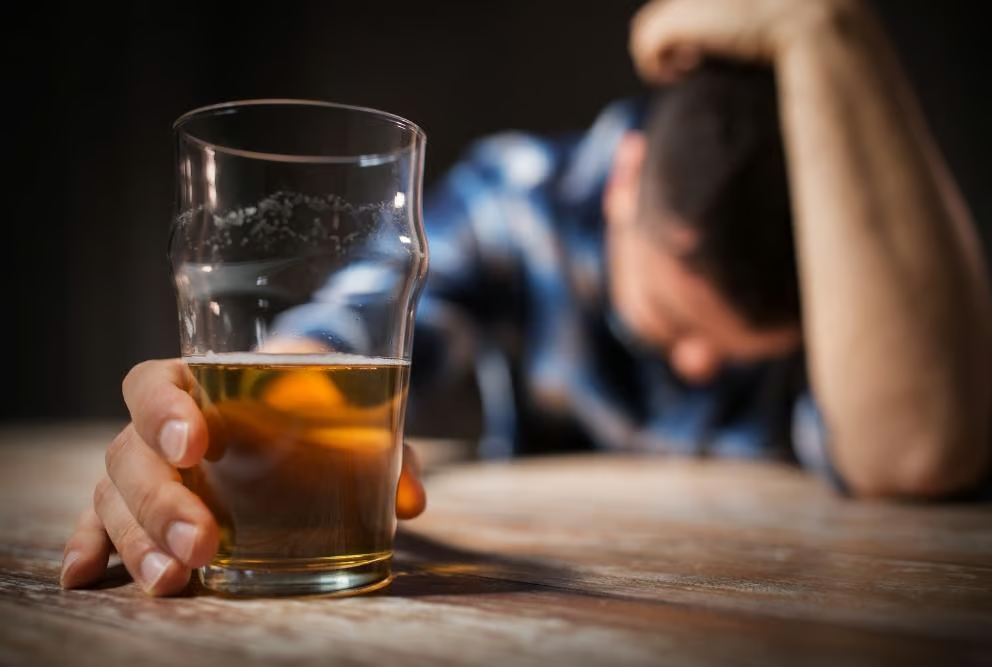
What Is Alcohol Intoxication?
Alcohol intoxication is a temporary, reversible condition caused by alcohol consumption. Ethyl alcohol, the alcohol in every beer, wine, and spirit, is a central nervous system depressant. It slows communication between brain cells, and the effects stack in a predictable order. Judgment goes first. Then coordination, then memory, then the reflexes that keep a person breathing.
The American Psychiatric Association defines alcohol intoxication in the DSM-5 as recent alcohol ingestion plus behavioral changes and at least one physical sign, such as slurred speech, unsteady gait, or impaired attention. In plain language, it means enough alcohol is in the blood to change how someone acts, moves, or thinks.
Acute alcohol intoxication is the clinical term for the same thing when it happens fast, usually from binge drinking. Ethanol intoxication and acute ethanol poisoning are the terms that show up on hospital charts. All of them describe the same curve. What changes is how far up the curve the person is, and how much alcohol is still on the way in.
Alcohol overdose and alcohol poisoning are two names for the top of that curve. The National Institute on Alcohol Abuse and Alcoholism uses alcohol overdose in its guidance, emergency rooms tend to say alcohol poisoning, and both mean the same thing. Enough ethyl alcohol has reached the brain to interfere with breathing and heart rate.
The body handles alcohol consumption in one direction only. Ethyl alcohol is absorbed through the stomach and small intestine, circulates to every organ, and is broken down by the liver at a fixed pace of about one standard drink per hour. Nothing speeds that up. When people consume alcohol faster than that, the excess stays in the blood, and ethanol intoxication deepens with every drink until the liver catches up.
Intoxication and Blood Alcohol Concentration
Blood alcohol concentration, or BAC, is the percentage of alcohol in the blood. A blood alcohol content of 0.08 percent is the legal limit for driving in every state and the level the National Institute on Alcohol Abuse and Alcoholism uses to define a binge. Most adults get there with four or five drinks in about two hours.
A blood test gives the exact number, and a breathalyzer estimates it. Neither is what matters in the moment. What matters is how the intoxicated person looks and whether they are breathing normally.
How Does It Feel to Be Drunk? The Seven Stages of Alcohol Intoxication
Emergency physicians describe alcohol intoxication in stages tied to BAC. The ranges below overlap because tolerance, body weight, and other factors shift them, but the order does not change. Here is what being drunk feels like at each stage, and where it turns into alcohol poisoning.
- Sobriety or mild intoxication, BAC 0.01 to 0.05. One drink for most people. Mild intoxication feels like relaxation and a slight loosening of inhibition. Reaction time slows a little. There is no obvious sign to an observer, which is why people at this stage are sure they are fine to drive.
- Euphoria, BAC 0.03 to 0.12. This is the stage people drink for. Confidence rises, talk gets louder, and the world feels friendlier. Fine motor control slips and judgment starts to go, so people say and do things they would not sober. The legal driving limit sits inside this range, and impaired judgment is measurable well before it.
- Excitement, BAC 0.09 to 0.25. Emotions swing. Some people get affectionate, some get angry, and the shift can happen in a minute. Slurred speech, poor coordination, and loss of balance show up here. Vision blurs. Reaction time is badly impaired and memory impairment begins, so the person may not remember parts of the night. This is what most people mean by drunk.
- Confusion, BAC 0.18 to 0.30. The person does not know where they are or what time it is. They stagger, fall, and feel little pain from it. Speech is hard to understand. Nausea and vomiting are common, and blackouts, where the brain stops recording memory, usually begin here. Anyone at this stage should not be alone.
- Stupor, BAC 0.25 to 0.40. Motor function is mostly gone. The person cannot stand or walk without help and may not respond to shouting or shaking. Vomiting while barely conscious carries a real risk of choking. Low body temperature, slow heart rate, and irregular breathing appear. This is alcohol poisoning, whether or not anyone calls it that yet.
- Coma, BAC 0.35 to 0.45. The person is unconscious and cannot be woken. Breathing slows or becomes irregular, body temperature drops, and reflexes are gone. Without emergency treatment, respiratory failure or cardiac arrest can follow.
- Death, BAC 0.45 and above. At this level the parts of the brain that run breathing and heart rate shut down. Some people survive higher levels because of extreme tolerance, and some die lower because of medications or an empty stomach, so the number is a guide and never a guarantee.
TOUR OUR ADDICTION TREATMENT CENTER IN MASSACHUSETTS
Are you looking for mental health or addiction treatment in Massachusetts? Take the first step toward recovery by exploring our rehab with a personal tour. At Elevate Recovery Center, we specialize in comprehensive mental health and substance abuse treatment for men and women.
Schedule a Tour(877) 592-2102Drunk Symptoms, Am I Tipsy or Drunk?
Tipsy is stages one and two of alcohol intoxication. Drunk is stage three and beyond. The practical test is whether the effects have moved from mood to motor control.
- Tipsy looks like talkativeness, warmth, a slight flush, slower reaction time, and lowered inhibition. Coordination is mostly intact.
- Drunk looks like slurred speech, poor coordination, stumbling, blurred vision, big mood swings, impaired judgment, and memory gaps the next day.
- Dangerously drunk looks like confusion, vomiting, trouble staying conscious, and slow or irregular breathing. That is alcohol poisoning territory.
Five signs of intoxication that observers notice first are slurred speech, unsteady walking, glassy or unfocused eyes, loud or inappropriate behavior, and delayed responses to questions. If someone shows all five, they are past tipsy.
Does it feel good to get drunk? For a while, yes, which is the whole problem. The euphoria of stage two is real. It is also brief, and everything after it feels worse than sober, including the next morning.
What Determines How Much Alcohol Gets You Drun
The same amount of alcohol produces different blood alcohol levels in different people. Several factors decide where a given number of drinks lands someone on the curve.
- Body weight and body composition. Smaller people and people with less muscle reach a higher BAC from the same drinks, because there is less water to dilute the alcohol.
- Sex. Women reach higher blood alcohol levels than men from the same amount of alcohol, on average, because of body composition and lower levels of the enzyme that starts breaking alcohol down in the stomach.
- Speed. Alcohol enters the bloodstream faster than the liver can process it, at roughly one drink per hour. Three drinks in 30 minutes produces a far higher peak than three drinks in three hours.
- Empty stomach. Food slows absorption. Alcohol on an empty stomach hits the blood in minutes and peaks higher.
- Other drugs. Opioids, benzodiazepines, sleep aids, and antihistamines all deepen CNS depression. Mixing them with alcoholic beverages is a common way alcohol poisoning happens at a BAC that would otherwise be survivable.
- Tolerance. Regular heavy drinking blunts the visible signs of intoxication without lowering the amount of alcohol in the blood. A person with high tolerance can look fine at a level that would put someone else in the hospital, which is its own danger.
- Age. Older adults and teenagers both reach higher BAC from the same drinks, for different reasons.
How many beers are too many? For most men, five in two hours meets the definition of a binge and puts BAC near 0.08. For most women, four. Past that, every additional drink moves the person up a stage, and the stages get shorter as the number climbs.
Binge Drinking and Acute Alcohol Intoxication
Binge drinking is the most common route to acute alcohol intoxication and the major cause of alcohol poisoning. The National Institute on Alcohol Abuse and Alcoholism defines it as a pattern of drinking that brings BAC to 0.08 percent or higher, which is five or more drinks for men or four or more for women in about two hours. High intensity drinking, double that amount, is where alcohol poisoning becomes likely rather than possible.
The scale of it is large. The 2024 National Survey on Drug Use and Health found 57.9 million Americans, 43 percent of everyone who drank alcohol in the past month, binge drank in that month. Young adults 18 to 25 remain the age group most likely to binge, though the rate has fallen since 2021.
A binge can run for two hours or several days. The longer it runs, the more alcohol stacks in the blood, and the less the person notices, because the brain that would normally sound the alarm is the organ being suppressed.
Binge drinking is also the pattern behind most alcohol overdose deaths in people under 30. The National Institute on Alcohol Abuse and Alcoholism notes that mixing alcoholic beverages with opioids, sedatives, or antihistamines raises the risk sharply, because the drugs and the alcohol slow breathing through different pathways at the same time.
Binge drinking on its own does not mean someone has alcohol use disorder. It does mean they have practiced getting to the edge of alcohol poisoning, and people who binge drink regularly are the ones who eventually cross it.
Alcohol Poisoning Risk Factors
Anyone who drinks too much alcohol too fast can get alcohol poisoning. Some people get there on far less than others. The risk factors that push someone from drunk to poisoned are worth knowing before the night starts.
- Drinking games, shots, and chugging. Anything designed to get a large amount of alcohol in quickly outruns the liver by design.
- Hard liquor over beer or wine. A shot of spirits and a beer contain about the same alcohol, but the shot goes down in two seconds and the beer takes twenty minutes. Alcoholic beverages with high alcohol content, including many canned cocktails, make it easy to lose count.
- Low tolerance. First time drinkers, occasional drinkers, and teenagers have no idea where their limit is until they pass it.
- Mixing with medications or other drugs. Sedatives, painkillers, and even some allergy pills deepen the depressant effect of alcohol, and people who drink alcohol on top of a prescription rarely read the label first. Alcohol poisoning with an opioid on board is far more likely to end in respiratory failure.
- Drinking alone or with people too drunk to notice. Alcohol poisoning is survivable when someone calls for medical help, and often fatal when nobody does.
- A history of alcohol abuse. Chronic alcohol abuse raises tolerance, which pushes the amount of alcohol needed to feel drunk higher, and the amount needed to stop breathing does not move with it.
- Health conditions. Liver disease, diabetes, and heart problems all lower the threshold at which alcohol poisoning turns dangerous.
Young adults account for most emergency room visits for alcohol poisoning, but middle aged drinkers with high tolerance account for a large share of alcohol poisoning deaths, because they and the people around them assume they can handle it. Binge drinking at 45 looks different from binge drinking at 20, and it is often more dangerous.
Alcohol Poisoning Symptoms
Alcohol poisoning, also called alcohol overdose, occurs when there is so much alcohol in the bloodstream that the areas of the brain controlling breathing, heart rate, and temperature begin to shut down. It is a medical emergency and potentially life threatening within the hour. The clinical manifestations to watch for, per the National Institute on Alcohol Abuse and Alcoholism, are these.
- Mental confusion or stupor. The person cannot answer simple questions or does not know where they are.
- Trouble staying conscious, or cannot be woken. Shake them and shout their name. If they do not respond, treat it as alcohol poisoning.
- Vomiting, especially while semi conscious or asleep. Choking on vomit is one of the main ways alcohol poisoning kills. Vomiting with abdominal pain can also signal bleeding or pancreatitis.
- Seizures.
- Slow breathing, meaning fewer than eight breaths per minute.
- Irregular breathing, with gaps of 10 seconds or more between breaths. Any trouble breathing in a drunk person is an emergency.
- Slow heart rate.
- Clammy skin.
- Low body temperature. Hypothermia sets in because alcohol dilates blood vessels and dumps heat. Bluish or pale skin is the visible sign.
- Dulled responses, including no gag reflex, which is what makes choking so likely.
A person does not need to show every one of these. Fewer than eight breaths a minute or unresponsiveness on their own is enough to call 911. Alcohol poisoning symptoms can get worse after the person stops drinking, because alcohol already in the stomach keeps entering the blood for up to 90 minutes. Alcohol poisoning typically occurs at a BAC above 0.25, but the number is less useful than the breathing rate, since nobody at a party has a blood test handy.
How Do You Tell If You Have Alcohol Poisoning?
If you can ask the question, you are probably not there yet, but you may be on the way. Vomiting, confusion, and feeling cold are early alcohol poisoning symptoms in someone who is still conscious. Stop drinking, get someone sober to stay with you, and if your breathing feels slow or you cannot stay awake, have them call for medical help or get you to the nearest emergency room. BAC keeps rising for a while after the last drink, so feeling bad now usually means feeling worse in 30 minutes.
Is Acute Intoxication the Same as Alcohol Poisoning?
Acute intoxication is the whole curve, from tipsy to coma. Alcohol poisoning is the upper end of it, where life support functions are failing. Every case of alcohol poisoning is acute intoxication. Most acute intoxication never reaches alcohol poisoning. Severe intoxication with vomiting, confusion, and slow breathing is the crossover point, and the safest rule is to treat it as alcohol poisoning until a medical professional says otherwise.

We Accept Most Insurance
What to Do for Alcohol Poisoning
Acting quickly is what prevents choking, severe dehydration, and brain damage. The steps are simple and the mistakes are common.
- Call 911 or get to the nearest emergency room. Do not wait for all the symptoms to appear, and do not worry about getting the person in trouble. Many states have medical amnesty laws for exactly this situation.
- Stay with them. A person with alcohol poisoning should never be left alone to sleep it off. BAC can keep climbing after they pass out, and keeping the person awake is the only way to know they are still responsive.
- Keep the person awake and sitting up if possible. Talk to them, ask questions, and watch for any trouble breathing while you wait for medical help. If they cannot sit, lay them on their side with an arm under the head so vomit drains out instead of down.
- Keep them warm. Low body temperature is part of alcohol poisoning, and a blanket helps.
- Be ready to tell responders how much alcohol they drank, over how long, and whether they took any other drugs or medications.
Things that do not work, and can make it worse, include a cold shower, black coffee, walking it off, and making the person vomit. A cold shower can drop body temperature further and cause shock. Coffee dehydrates and does nothing to the alcohol. Walking leads to falls. Forced vomiting in a person with a dulled gag reflex leads to choking. None of these lower the amount of alcohol in the blood, and all of them waste time that should be spent getting medical help.
What to do if you drank too much alcohol yourself follows the same logic. Stop, hydrate, eat something, and stay with someone sober. If you are vomiting repeatedly, confused, or cannot stay awake, that is the point to get medical attention rather than wait it out. People who drink alcohol regularly tend to underestimate how much they have had, so if a sober friend says it is time for medical help, believe them.
How Alcohol Poisoning Is Treated in the Emergency Department
There is no antidote for alcohol. Emergency treatment for alcohol poisoning is supportive, meaning the team keeps the body working while the liver does the alcohol elimination on its own schedule. Here is what happens after the ambulance doors close.
- Vital signs are monitored continuously, including breathing rate, heart rhythm, blood pressure, and body temperature. A patient with a low body temperature is warmed with heated blankets or fluids.
- Airway protection comes first. Patients who cannot protect their own airway are intubated. Oxygen by nasal cannula is used for milder cases. Ventilatory support is needed if respiratory failure develops.
- Intravenous fluids treat dehydration and correct blood sugar and electrolytes. Thiamine is given to anyone with suspected chronic alcohol abuse, because a glucose load without it can trigger brain injury.
- A blood test confirms the blood alcohol level and rules out other substances, since alcohol poisoning often arrives with opioids or benzodiazepines on board.
- A physical examination checks for head injury, since falls are common and a bleed can hide behind intoxication. An internal medicine or toxicology consult is called in when something does not add up.
- Metadoxine, a drug that speeds alcohol elimination, is used in some countries but is not approved in the United States.
Most people with uncomplicated alcohol poisoning are watched for several hours and discharged once they can walk and their vital signs are stable. Patients who needed intubation or had seizures are admitted. Nearly everyone leaves with a referral for alcohol use, and few follow up on it, which is a missed chance.
How Long Does It Take to Recover From Alcohol Poisoning?
The liver clears roughly one drink per hour, so a BAC of 0.30 takes somewhere around 15 to 20 hours to reach zero. Most people feel terrible for a day or two afterward, even once the alcohol is gone. Recovery from any lasting damage, if the brain went without enough oxygen, takes much longer and is not always complete.
Alcohol Poisoning Deaths and Long Term Damage
Alcohol poisoning can cause respiratory depression, coma, and death. It can also cause lasting damage in people who survive, including brain injury from hypoxia and aspiration pneumonia from inhaled vomit.
The Centers for Disease Control and Prevention reports about 178,000 deaths a year from excessive alcohol use in 2020 to 2021, a 29 percent rise from 2016 to 2017. About 61,000 of those are acute deaths, the category that includes alcohol poisoning, crashes, and injuries. Emergency department visits for alcohol specific diagnoses roughly doubled between 2003 and 2022, to about 5.4 million a year, according to the Centers for Disease Control and Prevention’s health statistics arm.
The cause of death in acute alcohol intoxication is almost always one of three things. Respiratory failure, when breathing stops. Aspiration, when vomit blocks the airway. Or cardiac arrest, which becomes a risk at blood alcohol levels above 300 mg/dL, roughly 0.30 percent. All three are life threatening within minutes, and all three are preventable when someone is watching.
When Intoxication Points to Alcohol Use Disorder
One bad night is not a diagnosis. A pattern is. Alcohol use disorder is defined by the American Psychiatric Association as a problematic pattern of alcohol use causing distress or impairment, with symptoms like drinking more than intended, failed attempts to cut down, cravings, and continuing to drink alcohol despite consequences. Two or more symptoms in a year meets the threshold. The National Institute on Alcohol Abuse and Alcoholism counts 27.9 million Americans 12 and older who met it in 2024.
Repeated intoxication is one of the clearest risk factors. People who drink alcohol to get drunk most weekends, who have needed medical help for alcohol poisoning more than once, or who no longer feel drunk on an amount of alcohol that would floor most people are describing tolerance and alcohol dependence, whether or not they use those words.
Chronic alcohol abuse also changes the math on intoxication. Tolerance hides the warning signs while the blood alcohol level climbs just as high. Repeated heavy drinking damages the liver, heart, and brain, and it makes withdrawal dangerous when the person finally stops. Someone who drinks alcohol daily and wants to quit should not stop cold at home. Alcohol withdrawal can cause seizures, and it needs a medical setting.
Signs that intoxication has become a disorder include drinking to function, hiding how much alcohol was consumed, blackouts, and functioning at work while falling apart everywhere else. Alcohol abuse usually shows up as a series of nights that got out of hand, and the effects of alcohol abuse on the body accumulate quietly between them.

We understand that getting help for addiction can be challenging. Start with a free addiction assessment today.
Frequently Asked Questions
What Are the 7 Stages of Drunkenness?
Sobriety or mild intoxication, euphoria, excitement, confusion, stupor, coma, and death. They track rising BAC. Stages one and two are tipsy, three and four are drunk, and five through seven are alcohol poisoning.
What Does Being Intoxicated Mean?
Intoxication means a substance has changed how the brain works enough to alter behavior, movement, or thinking. With alcohol, it starts at the first drink and becomes visible around a BAC of 0.05. Drunk, intoxicated, inebriated, and impaired are synonyms with slightly different tones. Wasted, hammered, and plastered mean the same thing with less dignity.
Is It “I Drunk” or “I Drank”?
I drank. Drunk is the past participle, so it is “I have drunk” or “I was drunk.” Drank is the simple past.
How Do You Feel When You First Get Drunk?
Warm, relaxed, talkative, and slightly clumsy. The first drink or two loosens inhibition before it impairs coordination, which is why the first stage feels good and gives no warning of the ones that follow.
What Is the Cause of Acute Intoxication?
People drink alcohol faster than the liver can clear it, which is about one drink per hour. Binge drinking, drinking on an empty stomach, and mixing alcohol with other drugs all push BAC up faster than the body can respond. Alcohol consumption that would be harmless over an evening becomes acute intoxication when it happens in an hour.
How Long Does It Take to Get Over Alcohol Poisoning?
Hours for the alcohol to clear, one to two days for the hangover and the alcohol related nausea, and longer if there was any brain injury or aspiration. Anyone who was treated for alcohol poisoning should get follow up medical attention within a week and think hard about the pattern that led there.
How Can You Prevent Alcohol Poisoning?
Count drinks and pace them to one an hour, and decide before the first one how many you will drink. Alcohol consumption planned in advance is easier to stop. Eat before and during. Skip drinking games and shots, which are designed to outrun the liver. Never mix alcohol with sedatives or opioids. Stay with friends who will call for help instead of letting someone sleep it off. To prevent alcohol poisoning in someone who drinks heavily and often, the honest answer is treatment for the drinking, because willpower on the night rarely survives the third drink.
What Is the Difference Between Alcohol Intoxication and Alcohol Poisoning?
Alcohol intoxication covers every level of drunkenness. Alcohol poisoning is the level where breathing, heart rate, and temperature control start to fail. The gap between them can be two shots of alcohol, which is why anyone drinking past stage three needs someone sober nearby.
What Is an Alcohol Overdose?
An alcohol overdose is the medical name for alcohol poisoning. It happens when enough alcohol is in the blood to shut down the parts of the brain that control breathing, heart rate, and body temperature. Slow breathing, unresponsiveness, and vomiting while passed out are the signs. Call 911.
What Happens If You Drink Too Much Alcohol in One Night?
BAC climbs faster than the liver can clear it, and the person moves up the stages from tipsy to drunk to confused to stuporous. Past a BAC of about 0.25, vomiting, hypothermia, and slowed breathing start. Drinking too much alcohol in a short window is how most alcohol poisoning cases begin.
How Should You Care for an Intoxicated Person?
Stay with them, keep them awake and upright, and turn them on their side if they lie down. Do not give coffee, put them in a cold shower, or let them sleep it off alone. If breathing drops below eight breaths a minute or they cannot be woken, call 911.
Key Takeaways
- Alcohol intoxication occurs when alcohol enters the bloodstream faster than the liver can process it, with symptoms progressing from mild euphoria to impaired coordination and slurred speech.
- The line between being drunk and alcohol poisoning is thin; alcohol poisoning is a life-threatening medical emergency that requires immediate 911 assistance.
- Recurring episodes of severe intoxication can be a symptom of a larger issue like alcohol addiction, for which professional treatment options are available.
Alcohol Addiction Treatment in Massachusetts
An episode of alcohol poisoning is usually a symptom of something that has been building. If you or someone you love keeps ending up at the far end of the intoxication curve, the pattern will not fix itself, and the next time may be the one that does not end in the emergency room.
Elevate Recovery Center treats alcohol addiction in Massachusetts with programs built around the whole person, including the anxiety, depression, or trauma that usually sits under heavy drinking. For people who need medical detox first, we work with trusted detox centers nearby and take over from there. If someone is not ready to quit entirely, moderation management is a place to start, and helping a family member who drinks is often where the call begins. give meCall (877) 592-2102 or contact us online. We can verify your insurance on the first call.
View Article References
- National Institute on Alcohol Abuse and Alcoholism. (2025). Understanding the dangers of alcohol overdose.
- National Institute on Alcohol Abuse and Alcoholism. (2025). Alcohol use disorder (AUD) in the United States: Age groups and demographic characteristics.
- Centers for Disease Control and Prevention. (2024). Facts about U.S. deaths from excessive alcohol use.
- Yin, X., O’Jiaku-Okorie, A., & Lucas, C. A. (2026). Rate of emergency department visits for alcohol-specific diagnoses, by sex: United States, 2003–2004 to 2021–2022. National Center for Health Statistics.
- Substance Abuse and Mental Health Services Administration. (2025). Key substance use and mental health indicators in the United States: Results from the 2024 National Survey on Drug Use and Health.
- LaHood, A. J., & Kok, S. J. (2023). Ethanol toxicity. In StatPearls. StatPearls Publishing.